
Meta’s long-running push into virtual worlds is losing momentum as the company prepares to reduce its metaverse budget by up to 30 percent. The decision follows years of investment in VR headsets, avatar-based social spaces, and immersive environments that were once framed as the next major platform shift. The move is expected to result in layoffs across Horizon Worlds and the Quest VR division, signaling a significant recalibration of Meta’s long-term ambitions.
Reality Labs Spent $70+ Billion
Investor pressure has been growing steadily. Reality Labs has spent more than $70 billion since 2021, yet consumer adoption has remained limited. Some key successes did emerge along the way. Beat Saber became a surprising breakout hit and a reliable music discovery tool, while Marvel’s Deadpool VR earned critical attention with a nomination at The Game Awards. Still, these wins were not enough to change the broader picture.
The company is now shifting toward AI hardware, including smart glasses and other wearables designed to capitalize on the industry’s move toward generative intelligence. Meta has described the shift as a reallocation rather than a retreat, but the transition reflects a clear adjustment in priorities. The metaverse never achieved cultural traction or competitive pressure, and Meta appears increasingly unwilling to carry the concept alone.
Pivoting from Metaverse to AI
The pivot also stems from a familiar lesson across the tech industry: missing a platform shift can have long-lasting consequences. Meta’s slow response to mobile placed the company under Apple’s ecosystem, a situation it has worked to avoid replicating. While the metaverse once served as a possible escape from that dependency, AI has become the far more immediate and influential platform race.
Whether the metaverse fully fades or simply evolves remains uncertain. For now, its most visible supporter is turning its focus to what comes next rather than what was promised before.
AI’s Hardware Hunger and What It Means for the Next Console Generation
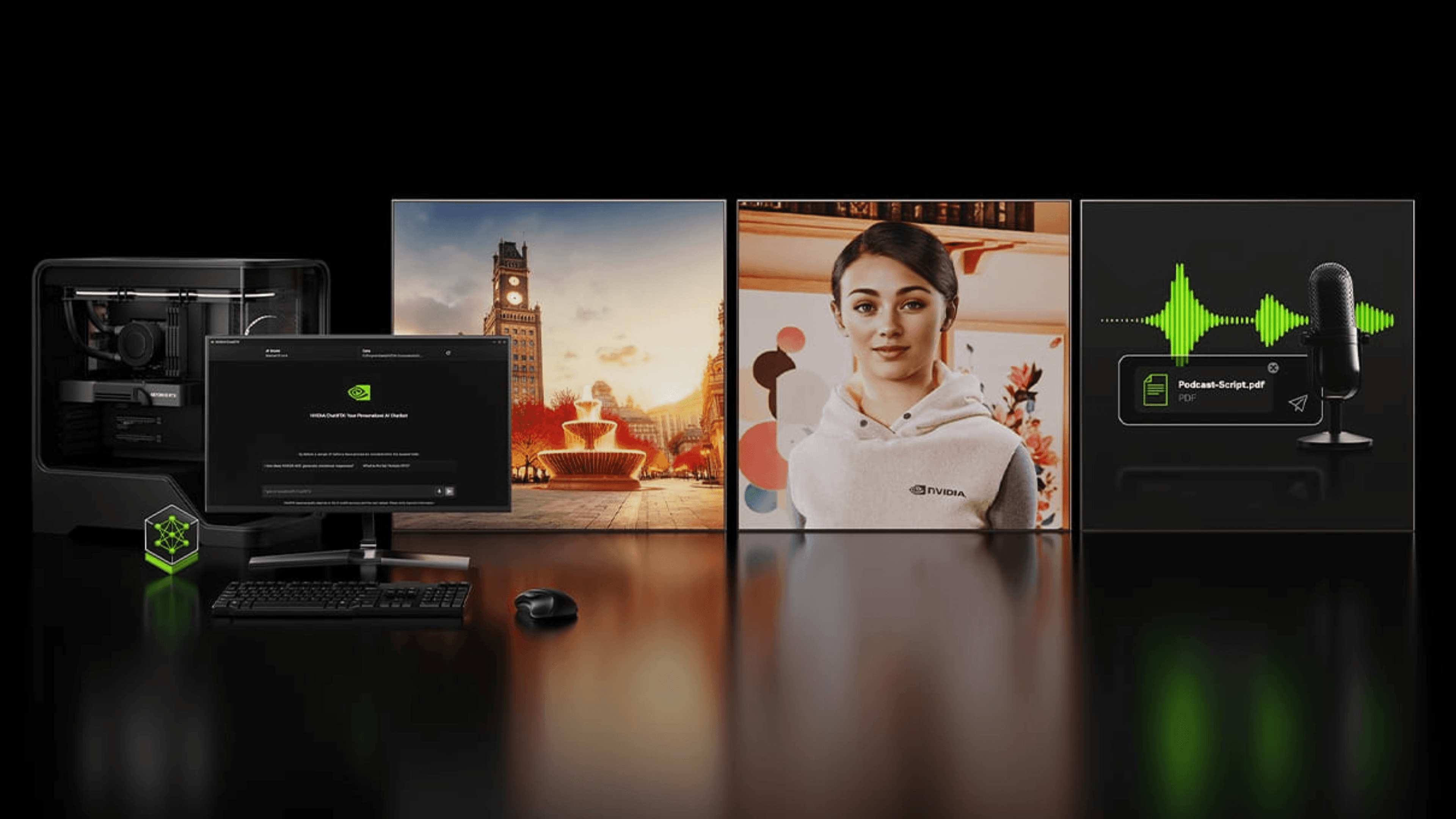
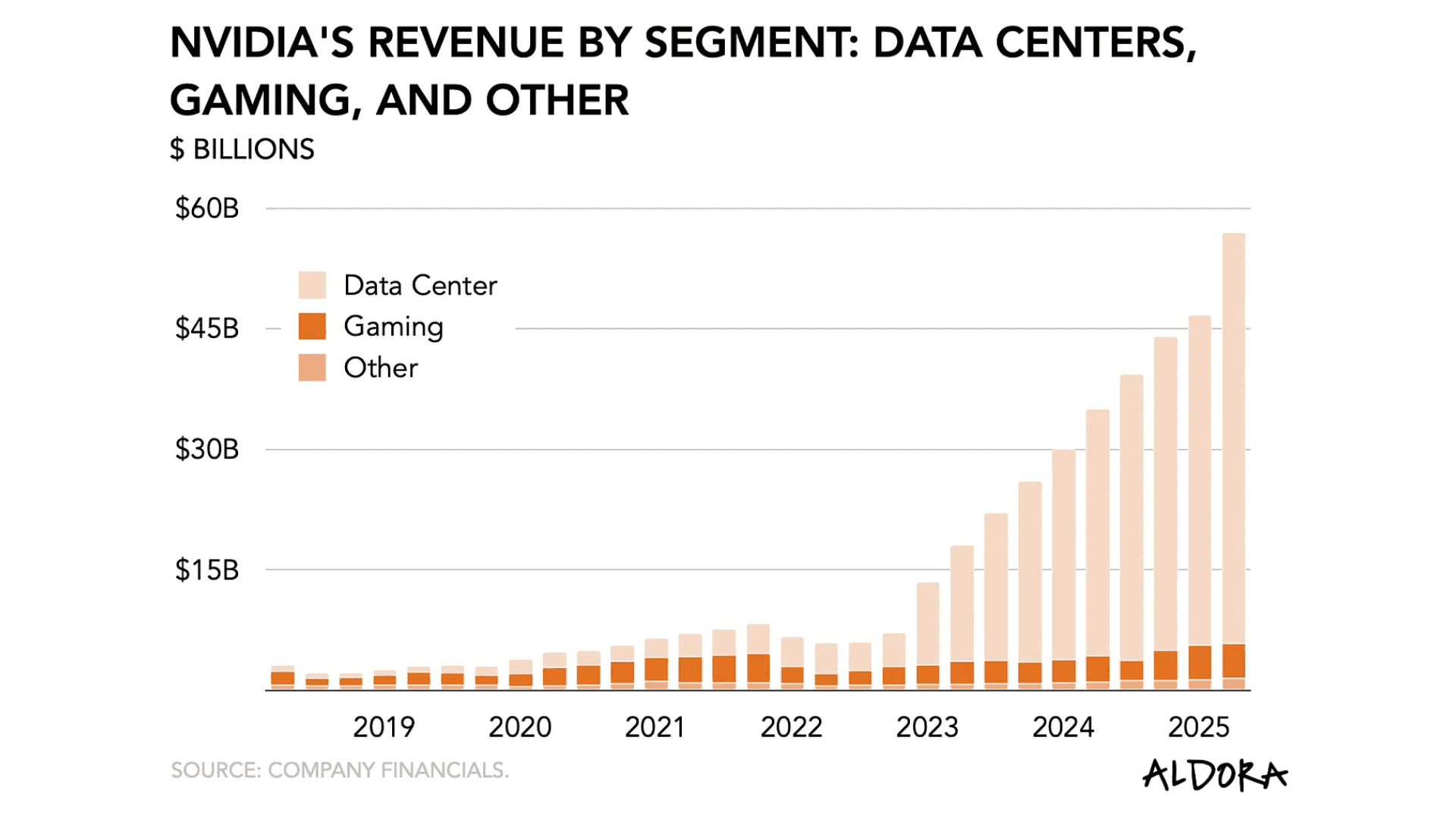
The gaming industry is entering its next hardware cycle during a period of unusual pressure. AI development has driven massive demand for processing chips and high-bandwidth memory, pushing component prices upward. Memory chip costs rose 25 to 30 percent at the end of 2025 and are projected to increase even more sharply throughout 2026, with shortages likely extending into 2027.
This stress stems from the dominance of just three suppliers - Samsung, SK Hynix, and Micron - which collectively control 95 percent of the global memory market. With AI servers offering higher margins than consumer electronics, much of the available supply is being redirected to data centers. The situation echoes the GPU shortage during the 2020 crypto boom, but analysts expect the current squeeze to be longer-lasting and more structural.
PC manufacturers face the toughest challenge. Memory typically makes up around 20 percent of a PC’s bill of materials, and PC demand remains highly sensitive to price increases. Research suggests that a 1 percent price increase can lead to a 2 to 2.5 percent decline in unit sales, leaving manufacturers to absorb much of the rising cost. It creates what analysts describe as an “asymmetric pricing trap,” where suppliers can raise prices freely but PC makers cannot pass those costs to consumers without losing sales.
Console makers, however, operate under different conditions. Sony, Microsoft, and Nintendo have spent decades refining their supply chain strategies, often securing long-term component contracts well before new hardware launches. Their extended seven- to eight-year console lifecycles also reduce exposure to year-to-year fluctuations in component availability.
Effect of Rising Hardware Costs
Still, rising hardware costs may influence market behavior in meaningful ways. High-end PC components could become prohibitively expensive for many players, pushing a greater share of the audience toward mid-range consoles or handheld hybrids that offer stable performance at lower cost. Devices such as Valve’s Steam Machine, which aims to deliver PlayStation 5-level performance at an accessible price, could become more relevant if PC costs continue to climb.
Cloud gaming could also benefit as players explore alternatives that reduce their reliance on local hardware. This broader shift aligns with the industry’s ongoing evolution from physical media to digital storefronts, and now to cloud-supported ecosystems. It also helps explain why Microsoft has expanded its hardware partnerships with AMD and Asus to prepare for future distribution models.
The next console cycle is still expected to arrive on schedule, but manufacturers will likely emphasize conservative specs and aggressive pricing. While the memory shortage is unlikely to delay the generation entirely, it is poised to influence its design and long-term strategy.
Source: Joost
Frequently Asked Questions (FAQs)
Is Meta abandoning the metaverse?
Meta is scaling back its metaverse budget, but the company describes the change as a reallocation toward AI rather than a full retreat.
Why is Meta shifting toward AI hardware?
AI represents a faster-growing market with stronger consumer and industry interest, making it a more immediate strategic priority.
Will rising memory prices delay the next console generation?
No major delays are expected, but pricing and specifications may be more conservative due to increased component costs.
How will AI hardware demand affect PC gaming?
PC manufacturers face higher component prices and limited supply, which may result in increased system costs for consumers.
Are consoles less affected by hardware shortages?
Console makers have long-term supply contracts and extended hardware cycles, giving them more insulation than PC manufacturers.
Could cloud gaming grow due to rising hardware costs?
Yes. As high-end components become more expensive, players may turn to cloud services that reduce reliance on local hardware.
Will consumers pay more for next-gen consoles?
Manufacturers are expected to focus on competitive pricing, but rising component costs may still influence retail prices.