Overview
From Ivy Road, the studio founded by the creator of The Stanley Parable and The Beginner’s Guide, comes a game that wears the comforting disguise of a cozy simulator but hides a complex narrative heart. Wanderstop places you in the shoes of Alta, a fallen fighter who now finds herself running a small tea shop in a magical, out-of-the-way forest. She is not here by choice. Every brewed cup and swept floor is a reminder of a life she has lost and a role she refuses to accept.
Published by Annapurna Interactive, a company renowned for its support of unique, story-driven experiences, Wanderstop explores themes of change, identity, and resistance. The game presents a fascinating conflict between the player's actions—engaging in peaceful, routine tasks—and the protagonist's own internal monologue, which constantly pushes back against her new reality. It’s a game that questions the very nature of idyllic escape, suggesting that for some, peace is its own kind of prison.
A Different Kind of Cozy Gameplay
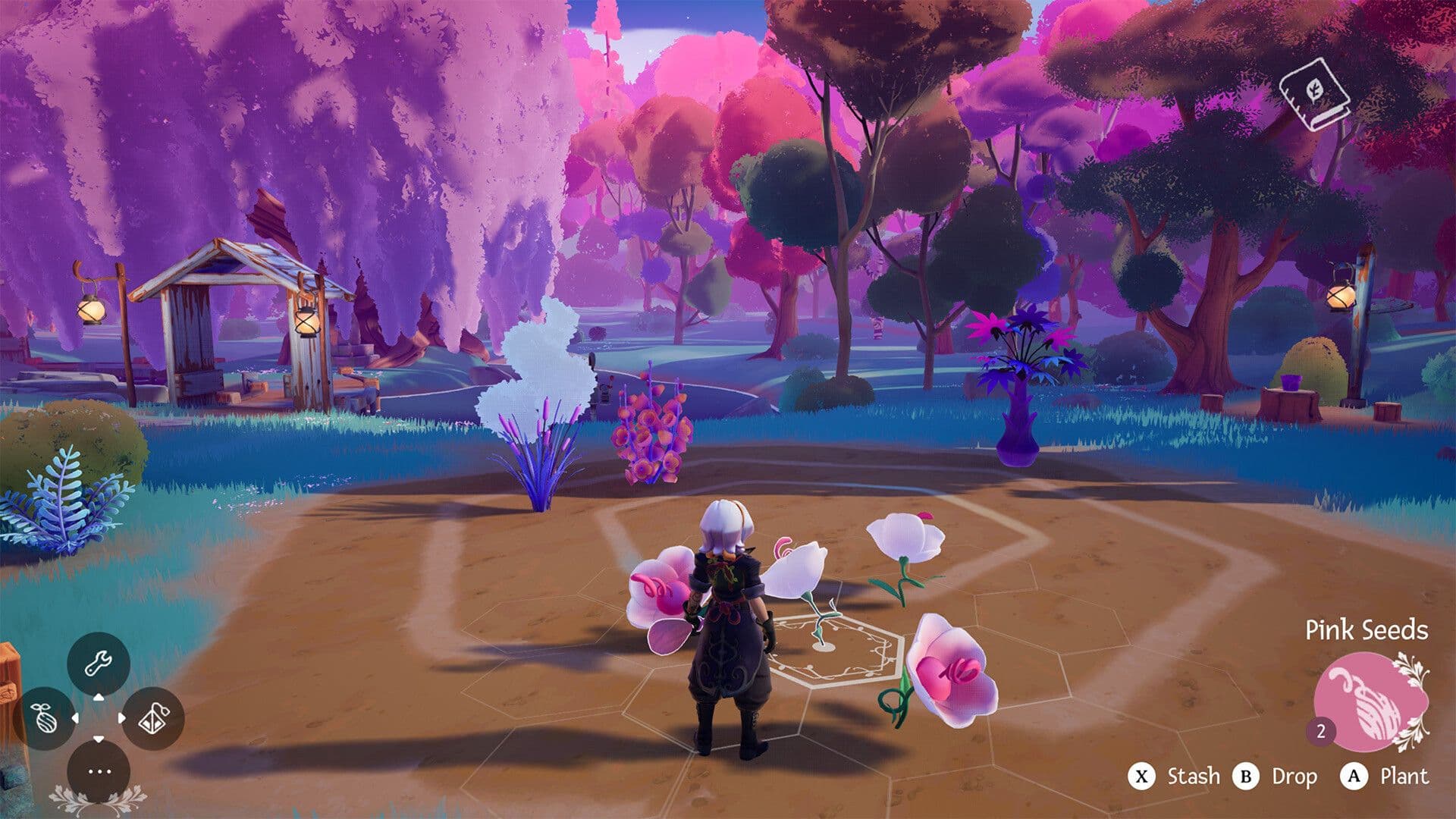
At its core, Wanderstop is a hands-on tea shop management game. The daily ritual involves a complete cycle of cultivation and creation, demanding a gentle and patient hand. This loop is central to the experience and rejects the idea of unchecked growth often found in the simulation genre. Your primary activities include:
Wanderstop content image
- Grow and harvest tea ingredients from the surrounding forest
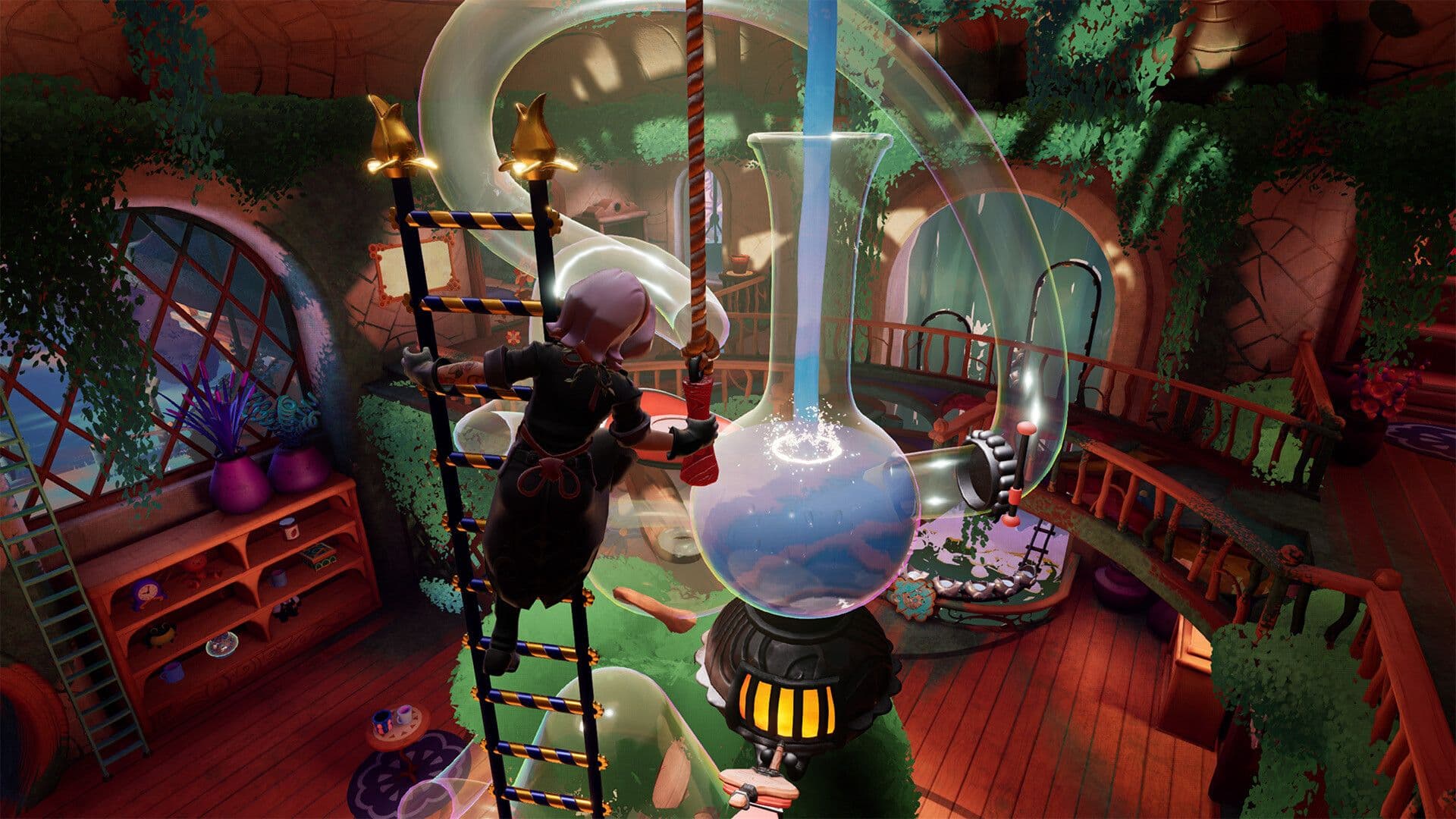
- Brew unique tea blends in an unusual contraption
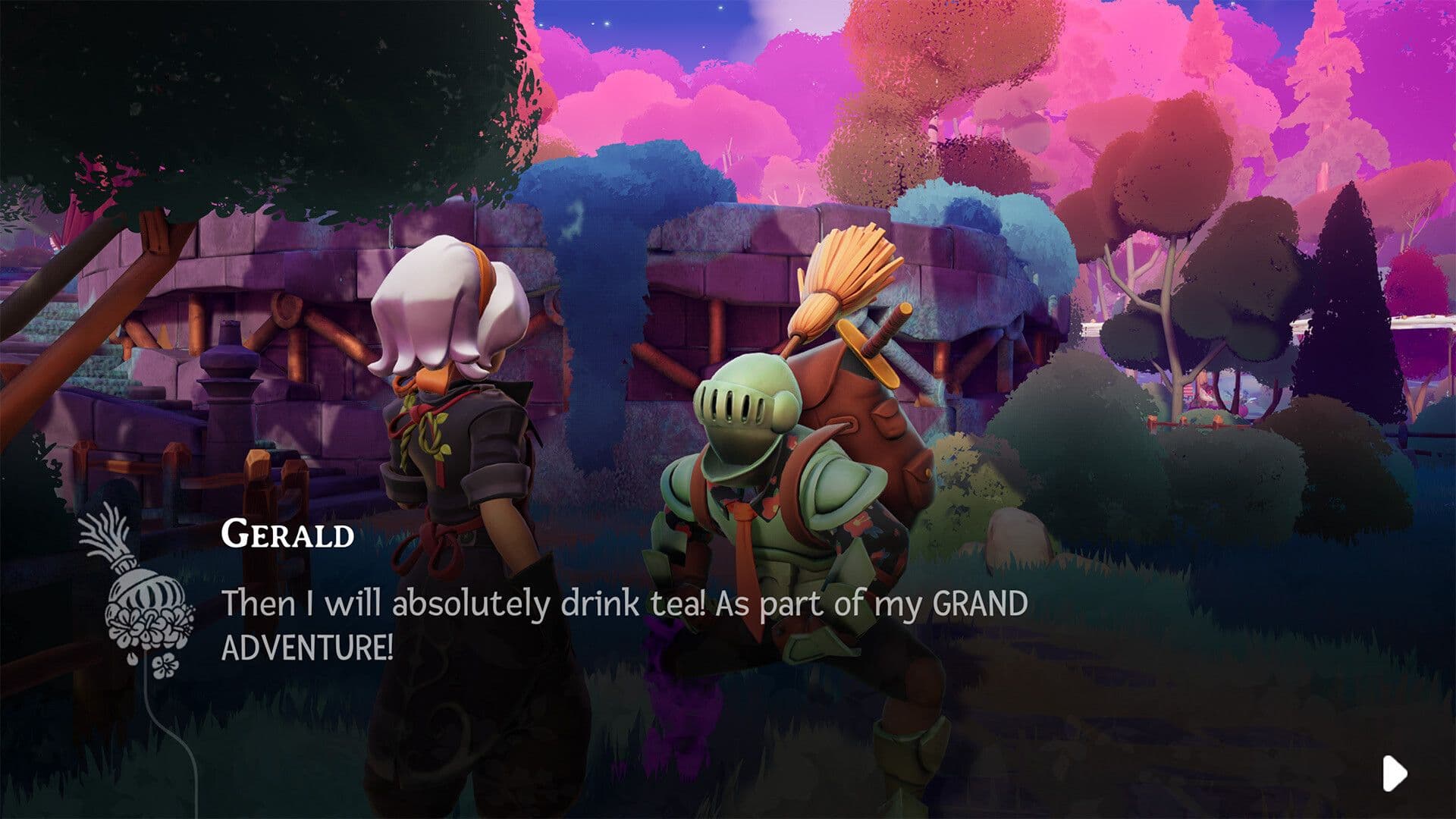
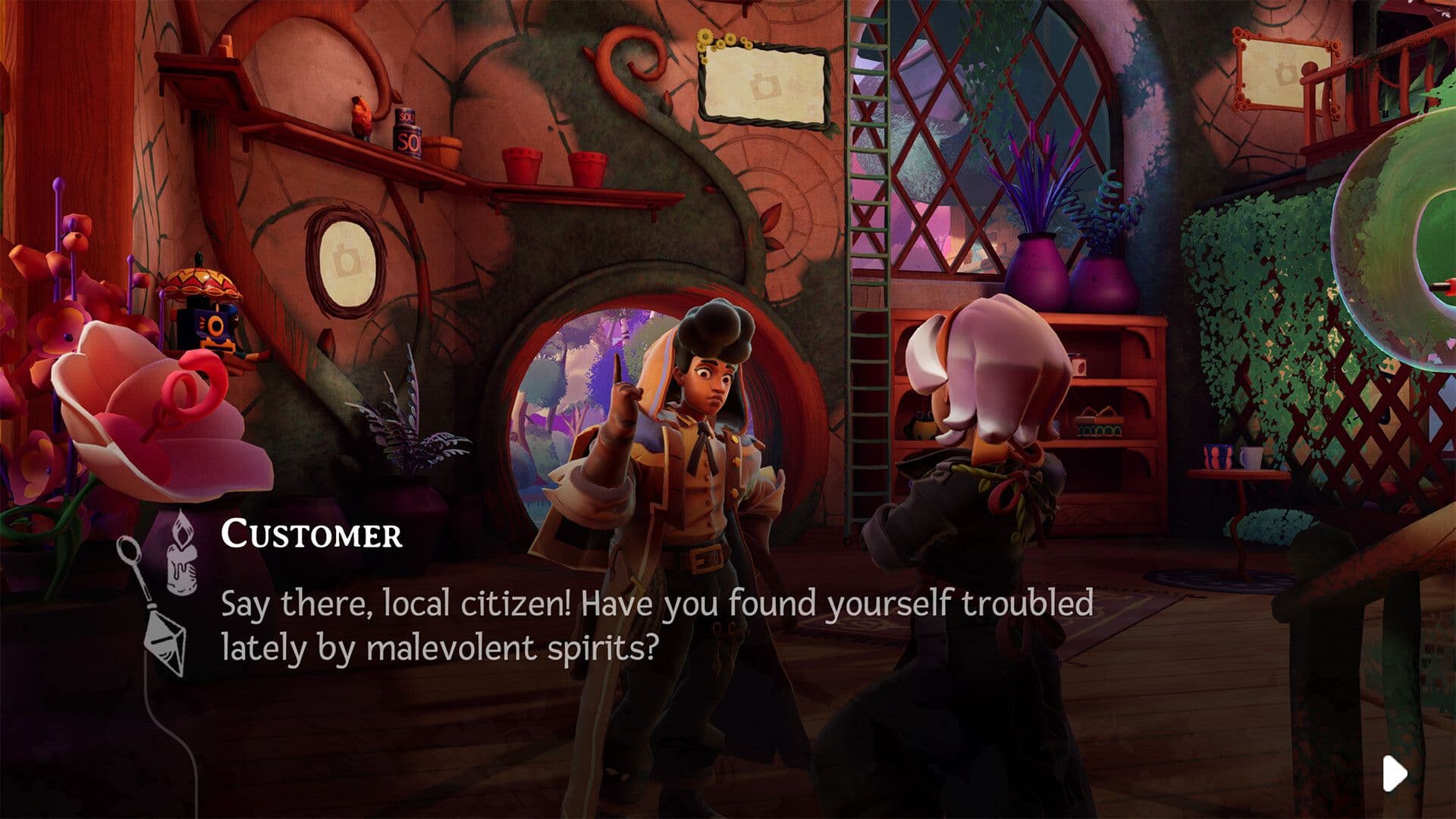
- Serve a cast of travelers and learn their stories
- Decorate and personalize the shop to your taste
- Manage the shop's general upkeep and tidiness
The tea-making process is a tactile ritual. Players don’t just click a button; they participate in the chopping, grinding, and brewing, making each cup feel personal. Customers arrive with their own troubles and tales, and serving them the right blend becomes a small act of connection.

Wanderstop content image
A lush forest clearing serves as the shop's backdrop.

Wanderstop content image
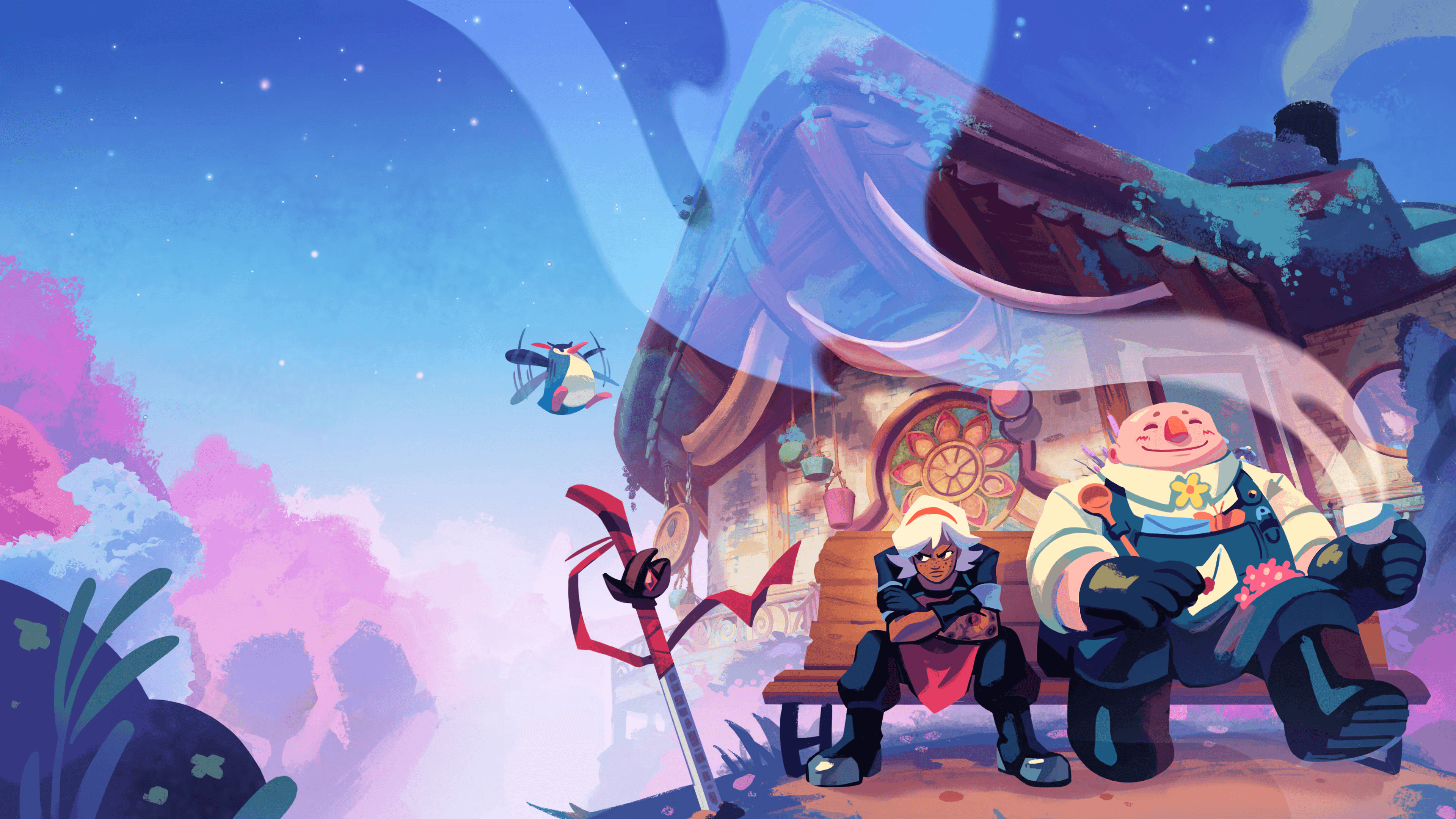
In moments of downtime, the game encourages introspection. Players can tidy the clearing, arrange furniture, or simply sit on a bench and listen to Alta's thoughts. It’s a design that rewards stillness, a concept that is completely alien to Alta herself.
Why Does Alta Want to Leave?
Alta wants to leave because she is a former championship warrior, not a shopkeeper. Her identity is forged in battle and glory, and this quiet, pastoral life feels less like a peaceful retirement and more like a cage. She is a fighter trapped in a world that demands she be a nurturer, and this fundamental disconnect fuels the game's narrative engine.

Wanderstop content image
This is not a story about happily settling down. It is a story about resistance. While players engage in the calming activities of shop ownership, Alta’s inner voice rebels. She sees her new duties as a betrayal of who