
Overview
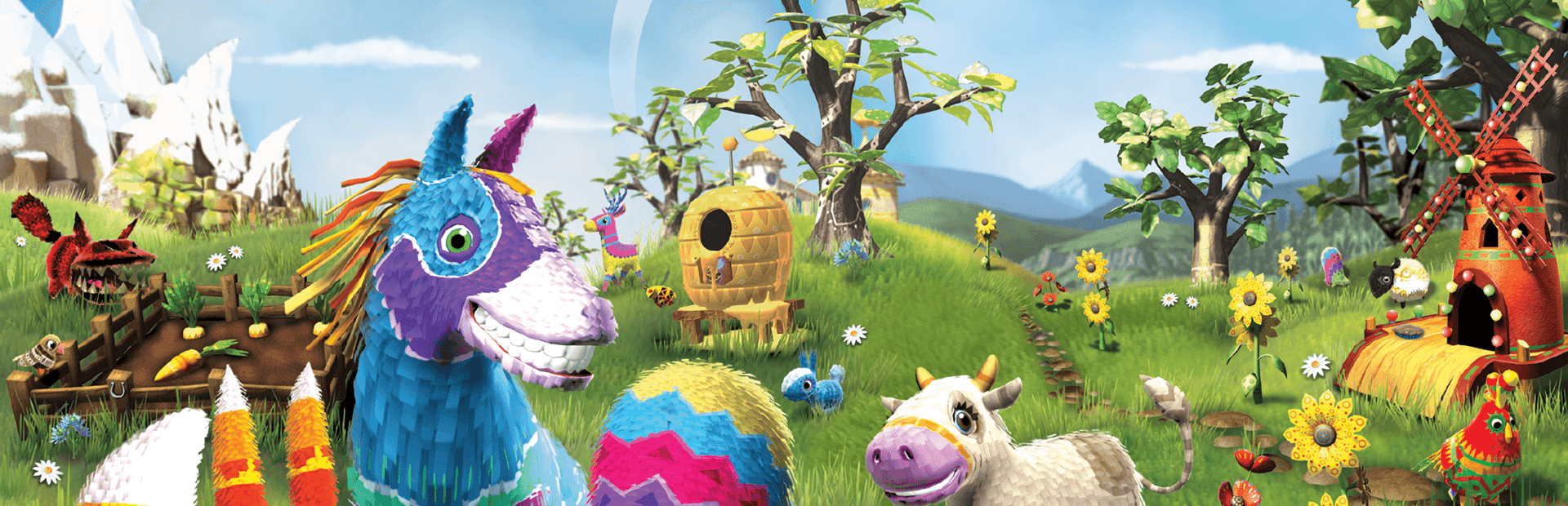
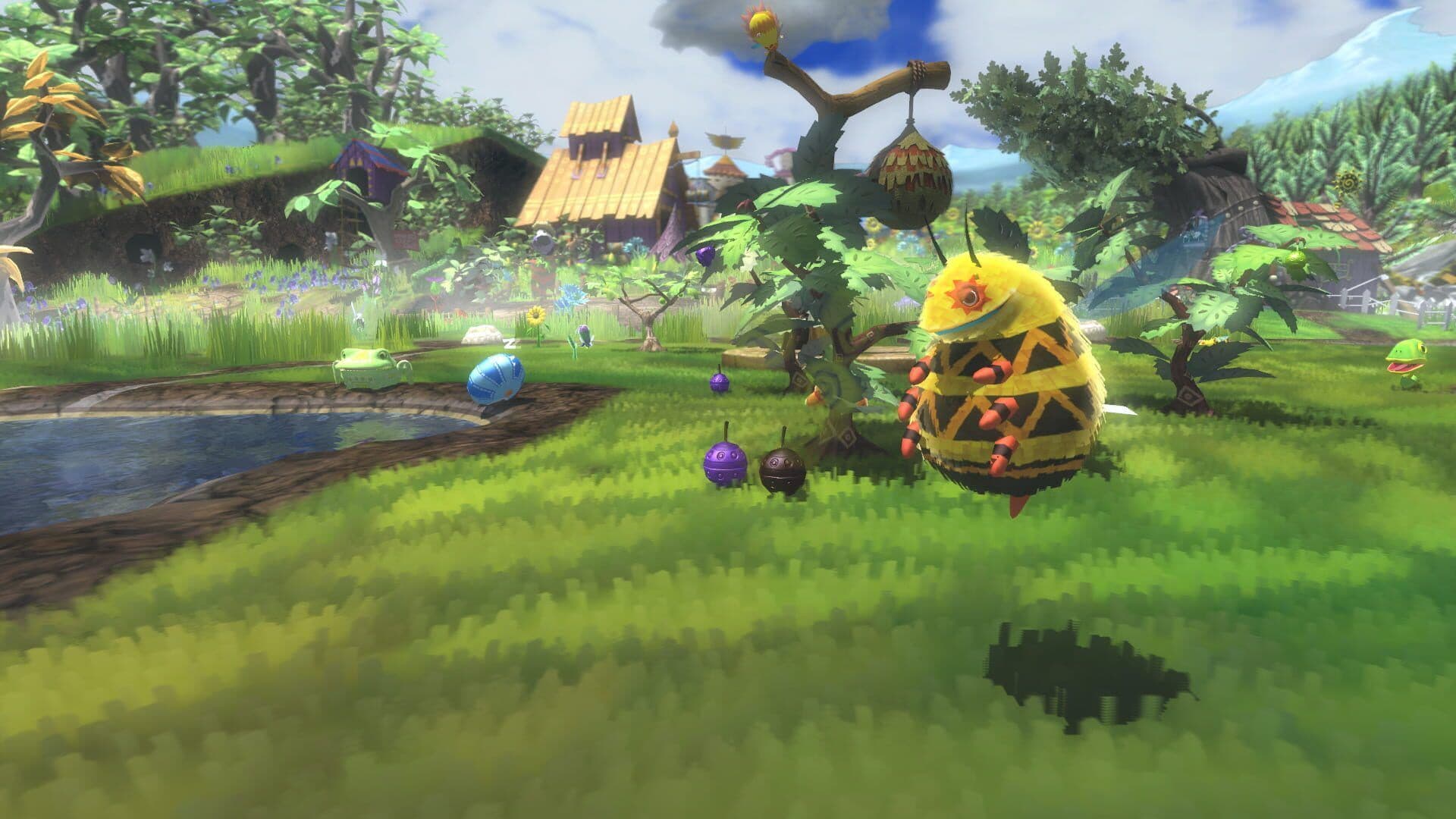
Viva Piñata establishes itself as a distinctive entry in the garden simulation genre by centering gameplay around attracting and nurturing paper-mache creatures. Players begin with a neglected plot of land and gradually transform it into a thriving ecosystem. The core loop revolves around meeting specific environmental requirements that entice different piñata species to visit, then convincing them to take up permanent residence.
Each piñata species possesses unique habitat preferences, dietary needs, and behavioral patterns. The Whirlm requires simple grass patches, while exotic species demand elaborate gardens with specific plants, structures, and resident creatures. This progression system naturally guides players from basic gardening to complex ecosystem management. The challenge intensifies as players discover that certain species prey on others, creating food chains that require careful balancing.
The customization extends beyond garden layout to the piñatas themselves. Players can modify their creatures with accessories, color variations, and decorative elements. This personalization transforms each garden into a unique expression of individual creativity while maintaining strategic depth.
What Makes the Gameplay Engaging?
The simulation mechanics operate on interconnected systems that reward experimentation and observation. Gardens function as living puzzles where every element affects piñata behavior:
- Terrain sculpting and water features
- Plant cultivation and crop management
- Structure placement and decoration
- Species compatibility and breeding
- Predator-prey relationships

Viva Piñata
Breeding mechanics add another layer of strategic complexity. When two piñatas of the same species meet specific romance requirements, they produce offspring with potential genetic variations. This breeding system encourages players to pursue rare color patterns and trait combinations, extending gameplay beyond simple collection.
The economy system balances resource gathering with financial management. Players sell produce, piñata offspring, and garden products to fund expansions and purchase new items. This economic loop creates meaningful decisions about short-term profits versus long-term garden development.
Building Your Piñata Paradise
Garden customization serves both aesthetic and functional purposes. Terrain modification allows players to create hills, valleys, and water features that satisfy habitat requirements for rare species. The placement of buildings, decorations, and vegetation directly influences which piñatas appear and thrive.

Viva Piñata
The game introduces obstacles that disrupt garden harmony. Sour piñatas invade and cause chaos, requiring players to either tame them through specific actions or fence them out. Professor Pester and his Ruffians represent a more direct threat, destroying piñatas unless bribed or deterred. These antagonistic elements prevent the simulation from becoming passive, demanding active garden defense and management.
Environmental conditions change based on player actions. Planting specific flowers attracts certain insects, which in turn attract insectivore piñatas. Creating ponds enables aquatic species to visit. This cause-and-effect design rewards players who understand the ecological relationships between different garden elements.
Conclusion
Viva Piñata demonstrates how simulation strategy games can balance approachable presentation with substantial mechanical depth. The progression from simple gardening to complex ecosystem management creates a rewarding learning curve, while the customization options support creative expression. The breeding mechanics, economic systems, and species interactions provide enough strategic variety to sustain extended play sessions. Rare successfully crafts a garden simulation that appeals to players seeking both relaxing creativity and challenging optimization puzzles within its colorful piñata-filled world.