According to a recent report by Konvoy - the mobile gaming industry is experiencing a structural shift as the long-standing assumption that Apple and Google control in-app revenue gradually erodes. Mobile web shops have moved from experimental initiatives to a competitive standard within the sector. Currently, 72 percent of top-grossing mobile games operate web shops, and leading publishers capture between 25 and 50 percent of total revenue through direct-to-consumer channels, according to Appcharge. While the 30 percent platform commission remains in place, developers now have alternatives that are technically and commercially viable.

Over 70% of Mobile Games on Web Shops
Mobile Web Shops Are Reshaping Gaming
The advantages of web shops extend beyond avoiding platform fees. Improved infrastructure has allowed these shops to compete with traditional app stores in areas such as user experience, personalization, and conversion rates. The industry is now focused on assessing the technology stacks of leading web shops, evaluating the growth of successful operators, and exploring additional opportunities within this emerging payment model.
What are Gaming Web Shops?
Gaming web shops are Direct-to-Consumer (D2C) platforms where players can make purchases for in-game items, virtual currency, or even branded merchandise directly from a game's website, bypassing traditional app stores like Apple's or Google's. These web shops allow game publishers to offer exclusive deals and bundles, gather valuable first-party data for marketing, increase profit margins by avoiding high platform fees, and build a closer relationship with their player community.

Over 70% of Mobile Games on Web Shops
Regulatory Changes and Market Drivers
The rise of mobile web shops has been influenced by regulatory interventions, technical development, and increasing consumer acceptance. In South Korea, regulatory changes in late 2021 challenged the dominance of platform holders. The National Assembly amended the Telecommunications Business Act to prohibit Apple and Google from requiring the use of proprietary payment systems for in-app purchases. Although Apple responded with a 27 percent “link tax,” this regulation prompted initial investments in infrastructure and compliance solutions.
In 2023, the European Union accelerated this trend with the Digital Markets Act (DMA), designating Apple and Google as “gatekeepers” and requiring them to allow third-party app stores, alternative payment methods, and direct offers outside their platforms. The DMA prompted developers, including Epic Games, to expand alternative storefronts and created a lasting shift in Europe’s market power, which in turn influenced regulatory actions elsewhere.
Epic Games vs Apple Lawsuit
The Epic Games Store expanded globally on Android and within the EU on iOS in August 2024, reinstating titles such as Fortnite, Rocket League Sideswipe, and Fall Guys to millions of devices. By mid-2025, the store reached 40 million installs and began adding third-party titles. This expansion demonstrated that the technical infrastructure developed over several years was now capable of supporting widespread adoption, converting regulatory changes into tangible market momentum.
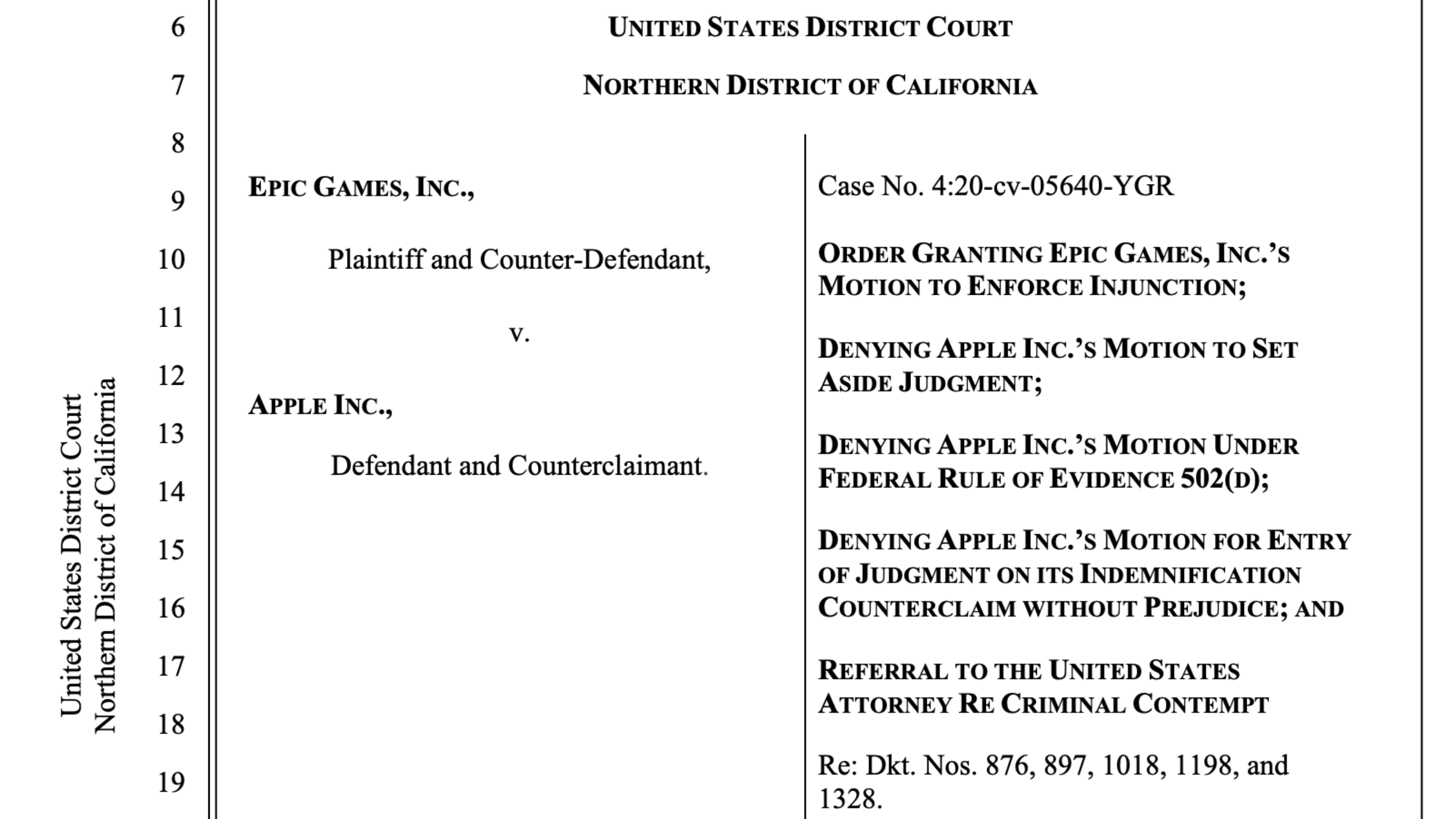
In April 2025, a U.S. federal judge mandated zero-fee linking to external payment systems, ruling that Apple had “willfully violated” prior orders. This decision effectively made web shop adoption a global reality, removing significant barriers that had previously limited the commercial viability of direct-to-consumer models.
Mobile Web Shops Are Reshaping Gaming
Infrastructure Developments Supporting Web Shops
Web shop platforms have evolved to address challenges that initially hindered adoption. Modern systems handle multi-currency support, local payment methods, and PCI compliance, allowing developers to operate across multiple regions without extensive technical investment. Fraud prevention has been enhanced through machine learning models that detect and reduce chargebacks, while cross-platform synchronization ensures that purchases made on mobile web are immediately reflected across consoles and PC platforms.
Processing fees for web shops generally range from five to ten percent, compared with 15 to 30 percent for traditional app stores. This lower cost structure creates a significant economic incentive for developers, making web shops a viable complement to, or replacement for, platform-based revenue streams.
Revenue Implications and Market Winners
Publishers with well-developed web shop operations report revenue advantages of ten to fifteen percent over competitors reliant on platform stores, resulting in profit gains of up to 60 percent. These advantages translate into greater flexibility in user acquisition and operational investments. Success in adopting web shops is influenced by genre, company size, and geography.
Games in genres such as social casino, strategy, and action exhibit higher adoption rates because they benefit from longer session lengths, higher transaction values, and engaged user bases willing to navigate additional payment steps. Social casino games, in particular, show near-universal adoption among top performers, while casual games adopt web shops at lower rates due to the friction involved in leaving app stores.

Over 70% of Mobile Games on Web Shops
Company Size, and Geographic Factors
Company size also affects adoption. Larger publishers such as Scopely, Supercell, and King implemented web shops early, leveraging existing infrastructure and customer support systems. Mid-sized developers often rely on third-party platforms like Xsolla or Appcharge for compliance and cost efficiency, whereas smaller independent studios face higher adoption barriers, although turnkey solutions are gradually lowering these obstacles.
Geographic factors also play a role. European publishers exhibit the highest adoption rates due to DMA enforcement, followed by South Korean developers benefiting from earlier regulatory changes. North American publishers accelerated adoption following U.S. court rulings in 2025, while Chinese publishers remain constrained domestically, although international versions of their games increasingly integrate web shops.
Measured Success in Direct-to-Consumer Revenue
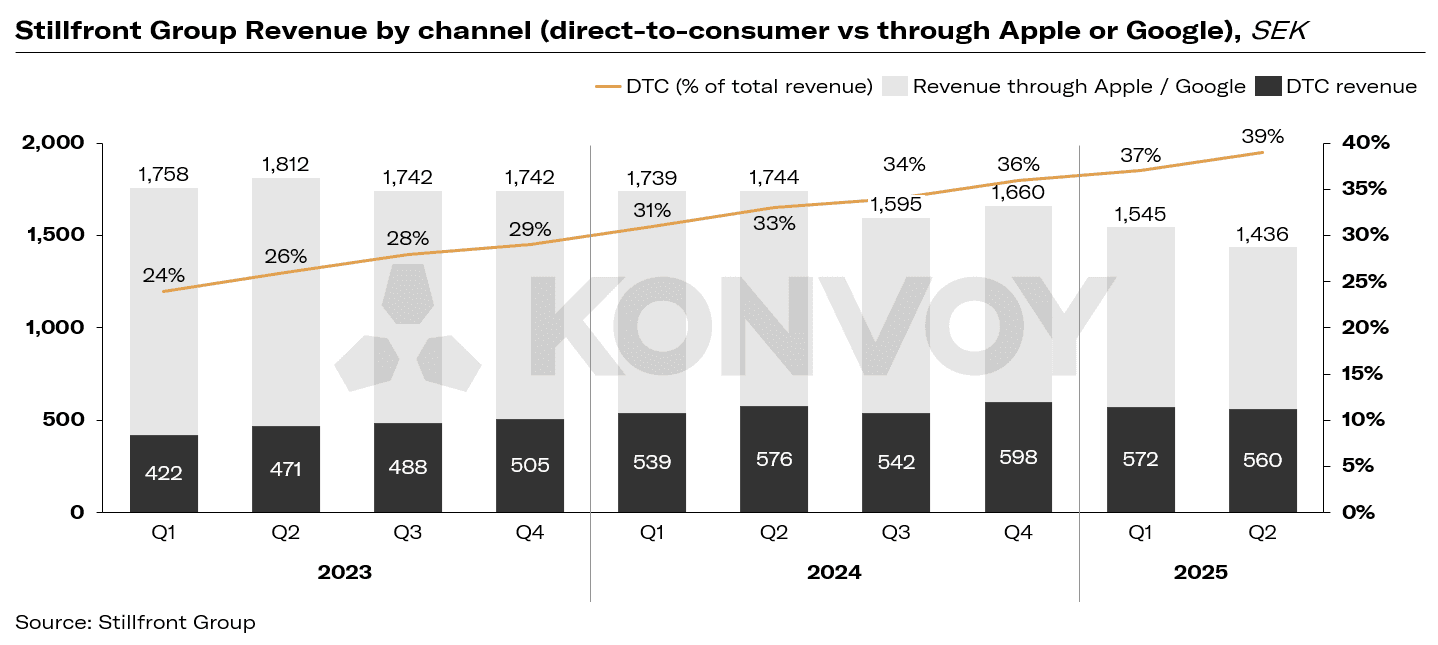
Several public companies have reported meaningful revenue contributions from web shops. In Q2 2025, Stillfront Group derived 39 percent of net revenue from direct-to-consumer channels. Playtika reported 25 percent, targeting 40 percent, while Modern Times Group reported 24 percent. Huuuge Games and SciPlay derived 20 percent and 18 percent of revenue from web shops, respectively. These figures demonstrate that reduced payment fees create financial resilience, allowing companies to sustain net revenue even amid declining gross revenue in the broader mobile gaming market.
Over 70% of Mobile Games on Web Shops
Broader Implications for the Mobile Gaming Industry
The adoption of web shops is not positioned to replace native apps or traditional discovery channels but provides a hybrid approach that combines the performance benefits of native apps with the revenue advantages of direct-to-consumer models. Publishers now assume greater responsibility for customer relationships, data protection compliance, age verification, fraud prevention, and refunds - functions previously handled by platform holders.
The success of this new model depends on developers’ ability to manage operational and compliance responsibilities effectively while delivering high-quality user experiences. The shift to web shops offers opportunities for higher margins, operational independence, and richer consumer relationships, but it also requires new organizational capabilities.
Final Thoughts
Mobile web shops have transitioned from regulatory experiments to standard practice within the mobile gaming industry. They offer developers increased revenue potential, improved operational control, and enhanced direct-to-consumer relationships. At the same time, they introduce responsibilities that were previously managed by platform gatekeepers.
The most successful developers will be those who integrate web shop infrastructure strategically, delivering efficient, trustworthy, and engaging experiences for players while optimizing operational and financial outcomes. The industry is entering a period in which the traditional walls of platform control are diminishing, allowing developers to explore new approaches to monetization and player engagement.