
Netflix has officially announced a new “reimagined FIFA football simulation game,” marking a major shift in the soccer gaming landscape. This deal is the most high-profile licensing agreement FIFA has made since its split from Electronic Arts after nearly three decades.
Reports suggest the separation was financially motivated, with FIFA seeking higher fees than EA was willing to pay. The Netflix partnership signals a significant investment in gaming, as the company looks to leverage the upcoming World Cup 26 to attract global audiences. Prior collaborations with game makers, including an esports-focused deal with KONAMI, were more limited in scope, making this a substantial expansion of Netflix’s presence in sports gaming.
Timing and Strategy Behind the Deal
The announcement comes at a critical moment for Netflix’s gaming strategy. Recently, the company sold back development studio Spry Fox and showed limited interest in Warner Bros.’ gaming assets. Additionally, Paramount’s hostile takeover bid was blocked, leaving Netflix in a position to refocus its messaging. The FIFA game agreement may have been finalized some time ago, but the timing suggests Netflix wanted to announce it when attention on global sports content is rising, maximizing impact.
Live Sports as a Growth Driver
Netflix has been investing in live sports content as a way to drive subscriber growth. In addition to the new FIFA game, the streaming service secured exclusive U.S. rights to broadcast the 2027 and 2031 FIFA Women’s World Cup tournaments.
Earlier this year, the late-2024 boxing match between Logan Paul and Mike Tyson reportedly drove nearly 800,000 new daily signups, demonstrating the platform’s ability to capitalize on live events. Sports and similar events are increasingly viewed as key assets for streaming platforms seeking to maintain and grow their user base.
FIFA’s Ticket Pricing Adjustments
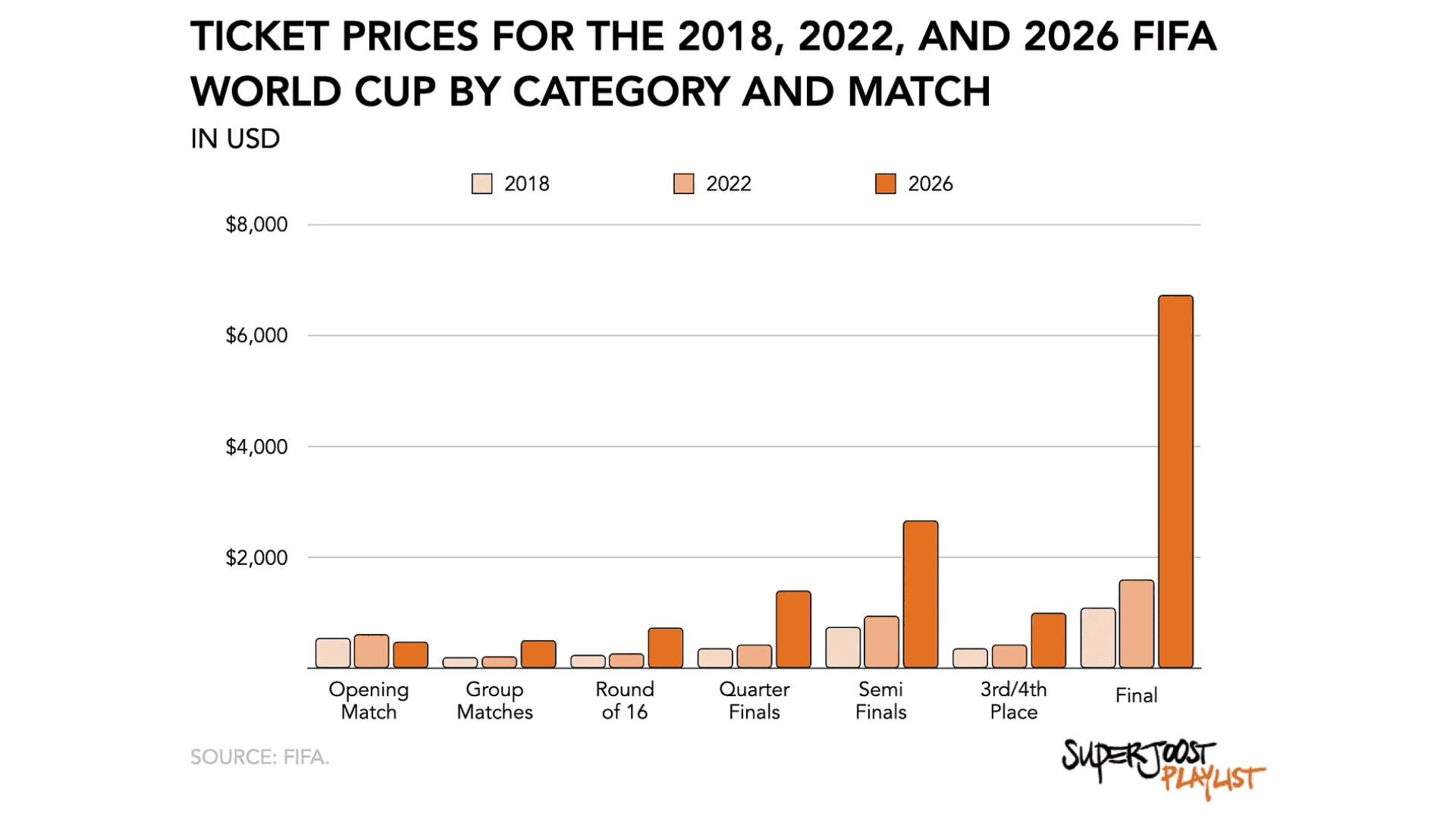
Beyond gaming and streaming partnerships, FIFA has also been adjusting its ticket pricing ahead of World Cup 26. The introduction of a variable pricing system drew criticism from fans due to higher costs for premium seats. FIFA defended the changes, citing its non-profit status and investments in soccer development worldwide. After pushback from fan organizations, the organization revised the policy to offer a subset of seats at reduced prices. These adjustments reflect FIFA’s efforts to balance revenue generation with fan accessibility.
Looking Ahead
With Netflix entering the FIFA gaming market and FIFA experimenting with ticket pricing, World Cup 26 is shaping up to be a pivotal moment for both the sports and entertainment industries. These developments show how major organizations are leveraging partnerships, live events, and gaming to engage global audiences while addressing economic and accessibility concerns.
Source: Joost
Frequently Asked Questions (FAQs)
When will the new Netflix FIFA game be released?
The release date has not been officially confirmed, but it is expected to launch ahead of the FIFA World Cup 26.
Why did FIFA split from Electronic Arts?
FIFA and EA ended their partnership after 28 years, reportedly due to financial disagreements over licensing fees.
How is Netflix using sports to grow its platform?
Netflix has acquired live sports rights, including the FIFA Women’s World Cup and high-profile boxing matches, to attract new subscribers.
What changes has FIFA made to World Cup ticket pricing?
FIFA introduced a variable pricing model that increased costs for premium seats but later adjusted the policy to make a portion of tickets more affordable.
Will the new FIFA game feature esports elements?
While Netflix has previously collaborated with KONAMI on esports projects, details on esports features for the new FIFA game have not been fully disclosed.
Does this game relate to web3 or blockchain features?
There has been no official announcement linking the new FIFA game to web3 or blockchain-based functionality.