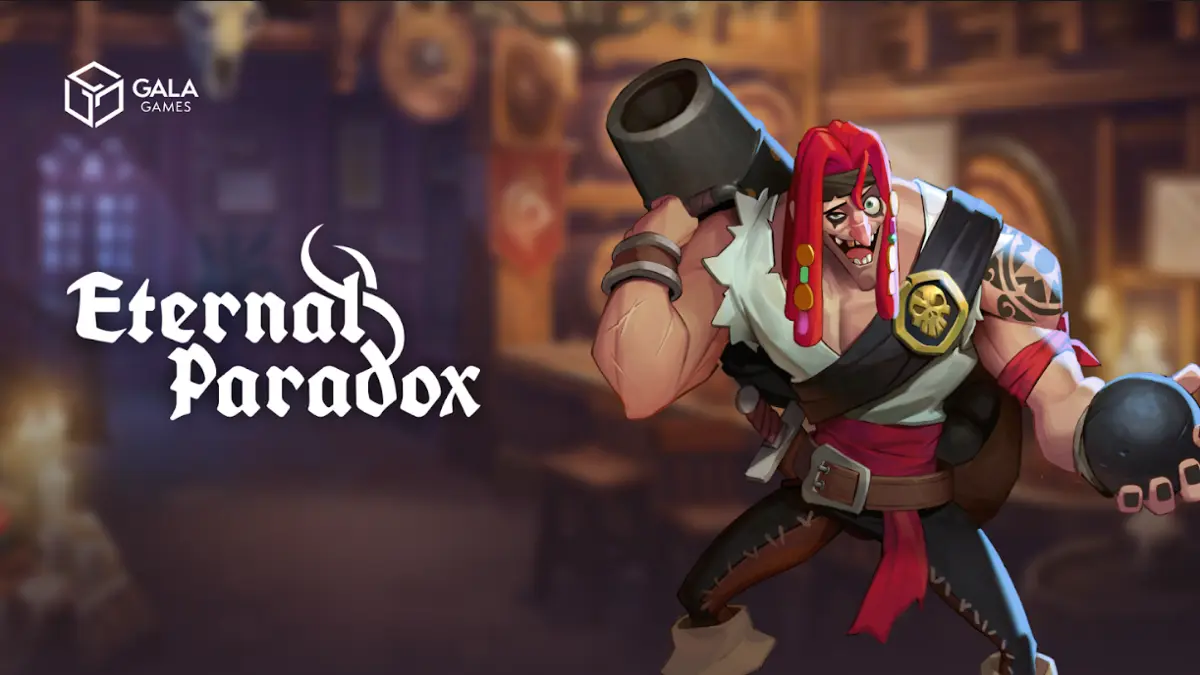

Gala Games has launched Season 16 of Eternal Paradox, continuing its steady cadence of updates for the web3 strategy title while also signaling internal changes behind the scenes. Alongside the new season, the studio confirmed a restructuring of the game’s core development team, a move that reflects broader adjustments taking place across the blockchain gaming sector. As the industry continues to shift away from Play2Earn models toward Play2Own frameworks, studios are reassessing how they build, support, and sustain live-service games.
Season 16 arrives at a time when player expectations around web3 games are becoming more closely aligned with those of traditional titles. Consistent updates, balance stability, and long-term planning are increasingly viewed as baseline requirements rather than optional features. For Eternal Paradox, this update represents both a content refresh and a test of how well the game can maintain momentum during a period of internal change.
New Gameplay Updates Aim to Maintain Momentum
The core of Season 16 focuses on expanding tactical variety within Eternal Paradox. New mercenary units have been added, each designed to introduce alternative strategic approaches to the game’s hybrid turn-based and real-time combat systems. These additions are intended to refresh established team compositions and give veteran players new options while remaining accessible to newcomers.
Gala Games has also implemented balance adjustments and mechanical tweaks that target competitive play, particularly at higher levels where minor changes can have a significant impact on match outcomes. Rather than treating seasons as simple resets, the studio continues to frame each update as a meaningful evolution of the game’s systems. This approach aligns with ongoing efforts to position Eternal Paradox as a long-term strategy title rather than a short-term experiment tied solely to token incentives.
Seasonal Events Look to Drive Engagement
Later this month, Season 16 will expand with a limited-time Arena mode themed around the holiday period. The event will introduce seasonal cosmetics and event-specific rewards, following a familiar live-service model seen across the wider gaming industry. For web3 titles, these events often serve a dual role by boosting short-term activity while also encouraging previously inactive players to return.
In the context of Eternal Paradox, the Arena event appears designed to reinforce engagement during a traditionally competitive end-of-year window. As more blockchain games adopt similar seasonal strategies, success increasingly depends on how well these events integrate with core gameplay rather than functioning as standalone distractions.
Studio Restructure Raises Long-Term Questions
While the new content provides clear short-term incentives to play, the announcement of a development team restructure has drawn attention to the game’s longer-term outlook. Gala Games has positioned the reorganization as a step toward better aligning talent with the evolving demands of web3 gaming, where technical reliability and content consistency are becoming critical factors.
Development changes often bring uncertainty, especially for live-service games that rely on regular updates to retain players. For Eternal Paradox, the effectiveness of the restructure will likely be judged by how smoothly future seasons roll out and whether the game maintains its current update cadence. For now, the studio appears focused on continuity, with Season 16 reinforcing that the title remains an active priority within the broader Gala ecosystem.
Web3 Gaming Continues to Evolve
The timing of Season 16 coincides with a broader maturation of the web3 gaming space. Competitive events, cross-chain integrations, and more structured token economies are becoming increasingly common, pushing the sector closer to established industry standards. However, this evolution also raises expectations, as players are less willing to tolerate instability or unclear roadmaps.
Gala Games is one of several studios attempting to bridge the gap between traditional gaming expectations and blockchain-based ownership models. With its multi-genre ecosystem and proprietary infrastructure, the company has positioned Eternal Paradox as a mid-core strategy title capable of sustaining long-term engagement. Each new season serves as a measure of how viable that goal remains in an increasingly crowded market.
Education Remains Key to Player Growth
Despite technical progress, player education continues to be a challenge for web3 gaming. Many players remain unfamiliar with wallet systems, token mechanics, and ownership concepts, which can limit broader adoption. Studios and third-party platforms alike have emphasized the importance of clear onboarding and accessible learning resources.
Educational outlets such as CryptoManiaks play a role in helping new players understand both gameplay systems and the underlying blockchain technology. As web3 games aim to reach wider audiences, reducing complexity and improving transparency may prove just as important as delivering new content.
Looking Ahead for Eternal Paradox
Season 16 reinforces Gala Games’ commitment to supporting Eternal Paradox during a period of industry-wide change. The combination of new gameplay elements, balance updates, and a seasonal Arena event positions the game for a strong finish to the year. Whether this momentum carries into future seasons will depend on how effectively the newly structured development team executes its plans.
For now, Eternal Paradox remains a notable example of how web3 strategy games are adapting to shifting player expectations and a maturing market.
Frequently Asked Questions (FAQs)
What is Eternal Paradox Season 16?
Season 16 is the latest content update for Gala Games’ web3 strategy game Eternal Paradox, introducing new mercenaries, balance changes, and a seasonal Arena event.
What changes does Season 16 bring to gameplay?
The update adds new mercenary units, adjusts existing balance mechanics, and refines competitive systems to improve long-term gameplay stability.
What is the holiday Arena event?
The holiday Arena event is a limited-time mode arriving later in December, featuring themed cosmetics and special rewards designed to increase player engagement.
Why is Gala Games restructuring the Eternal Paradox development team?
The restructure is intended to better align development resources with the evolving demands of web3 gaming, including consistent updates and long-term planning.
Is Eternal Paradox still a priority for Gala Games?
Yes, the launch of Season 16 and continued content support indicate that Eternal Paradox remains an active and important part of Gala Games’ ecosystem.
How does player education affect web3 games like Eternal Paradox?
Player education helps newcomers understand blockchain mechanics, wallets, and ownership systems, which can improve adoption and long-term retention.