Overview
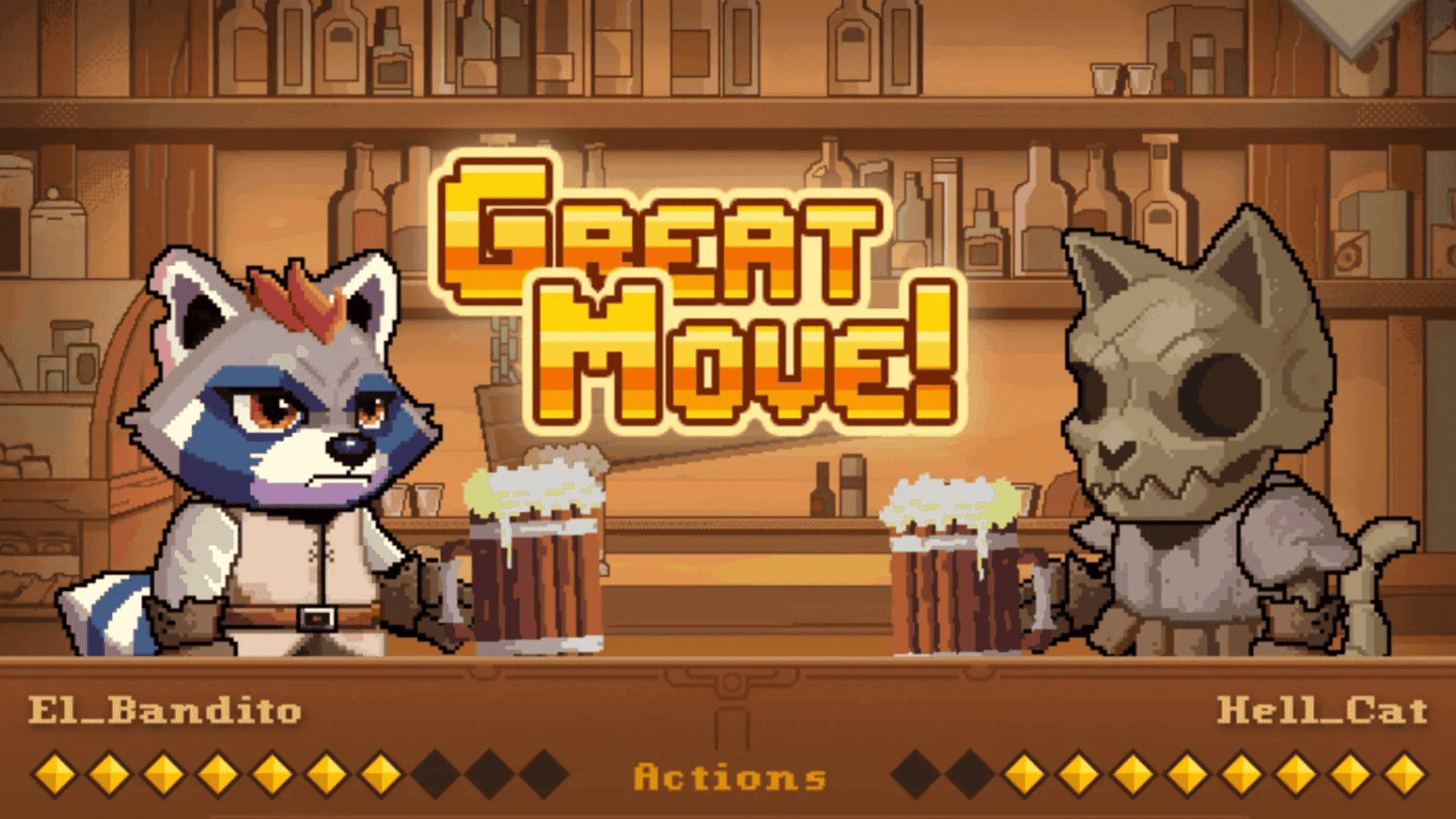
Elderglade is a turn-based PvPvE extraction looter where you play as animal heroes fighting for survival in an enchanted wilderness. Battles happen in short, tactical encounters where positioning and ability timing matter far more than raw stats. Every expedition into the wild is a risk: win fights, gather loot, then make it out alive before enemies or rival players cut your run short.
The world is built around towns, forests, and roaming wilderness zones. Players can either be the adventurers diving into danger for loot, or the town-builders who run key establishments and profit from the players who use them. It’s a mix of exploration, combat strategy, and a light economic simulation layered into a retro 2D pixel-art world.
Game Lore
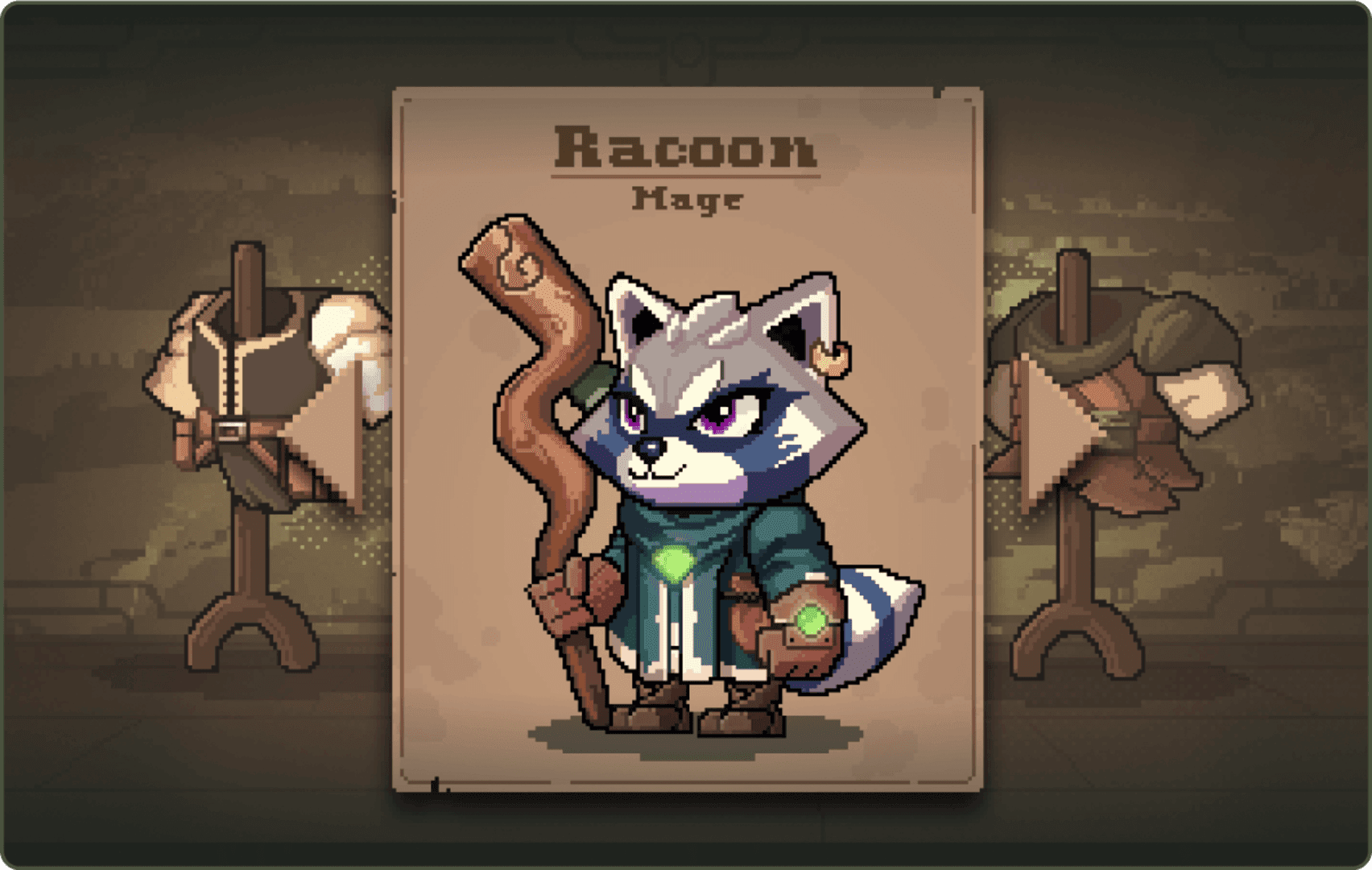
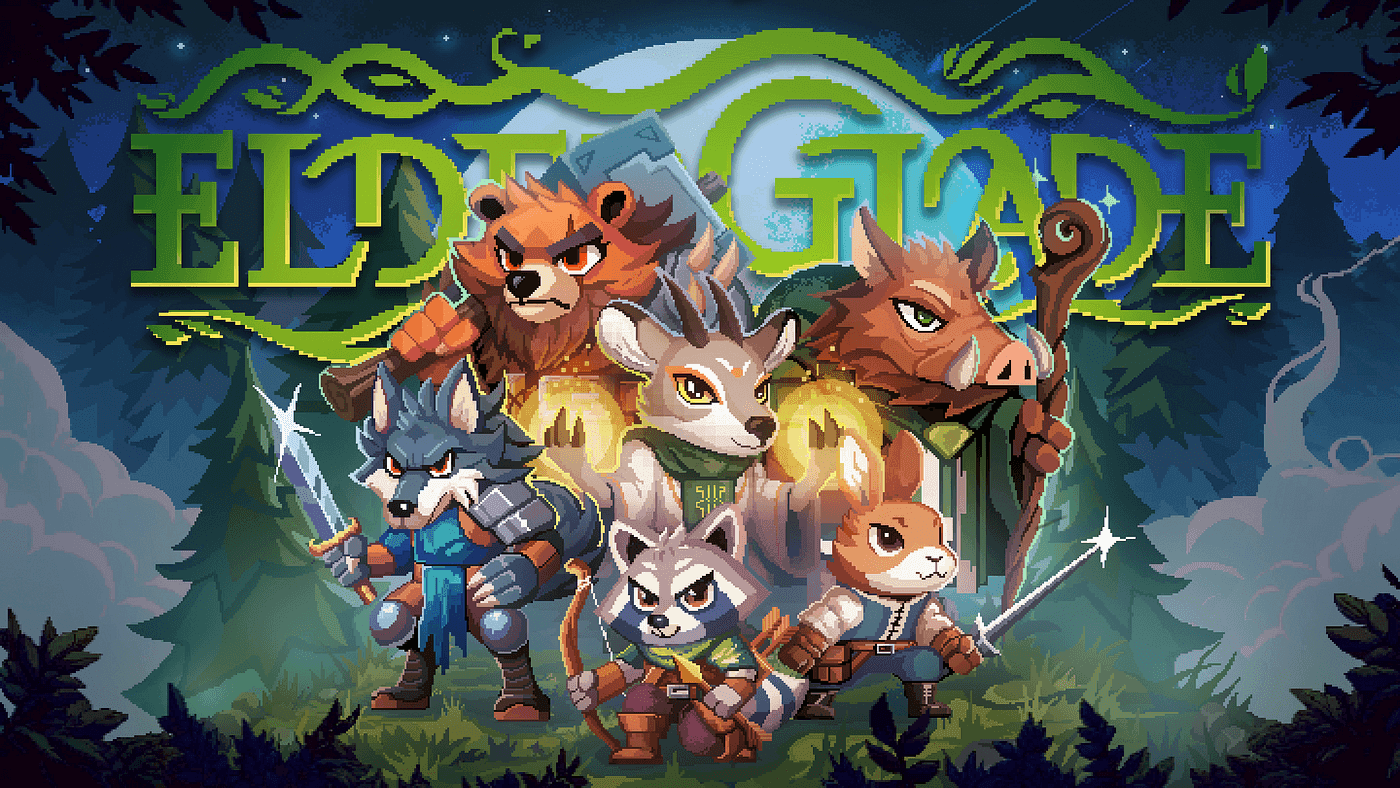
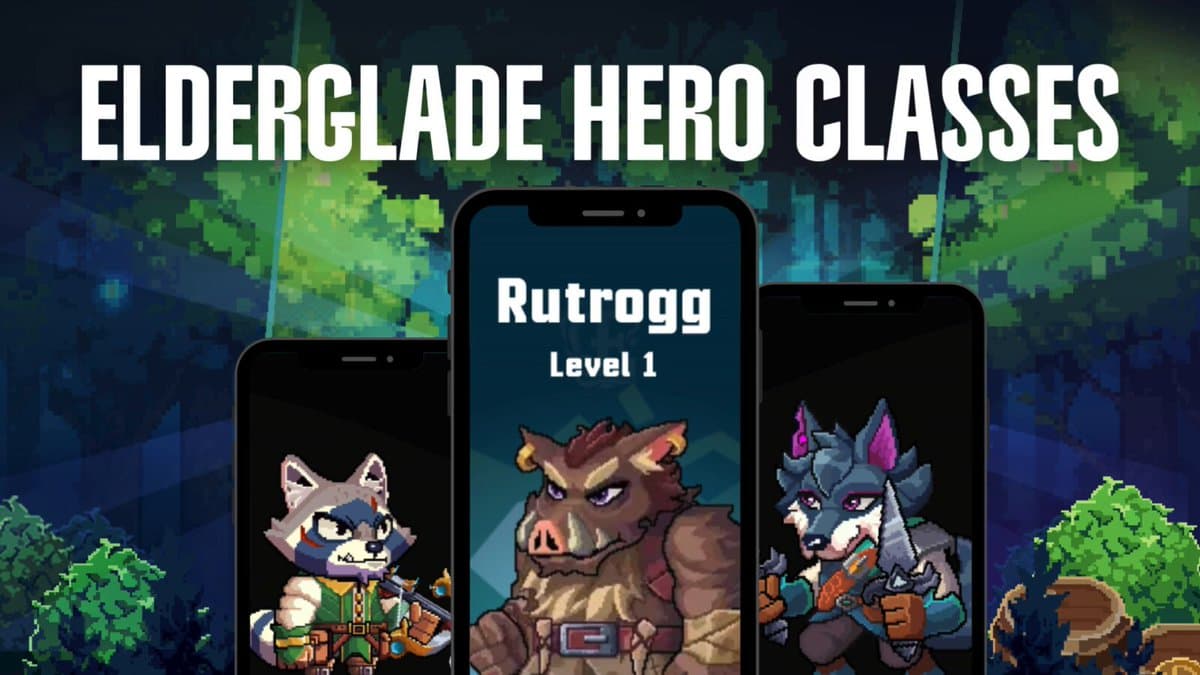
The kingdom of Elderglade was once an ancient, magical wilderness where the Deer, known for their arcane mastery, created mystical portals that connected various parts of the land. As time passed, this untamed wilderness transformed into a city, ruled by six powerful families, Wolves, Boars, Bears, Rabbits, Raccoons, and Deer, each playing a role in maintaining a delicate balance of power. However, tensions over dwindling resources have started to disrupt this balance, causing dark forces to emerge from the land. Now, as the city stands on the brink of collapse, the families must decide whether to unite and face the looming threat or risk losing everything to these rising dangers.
Gameplay and Features
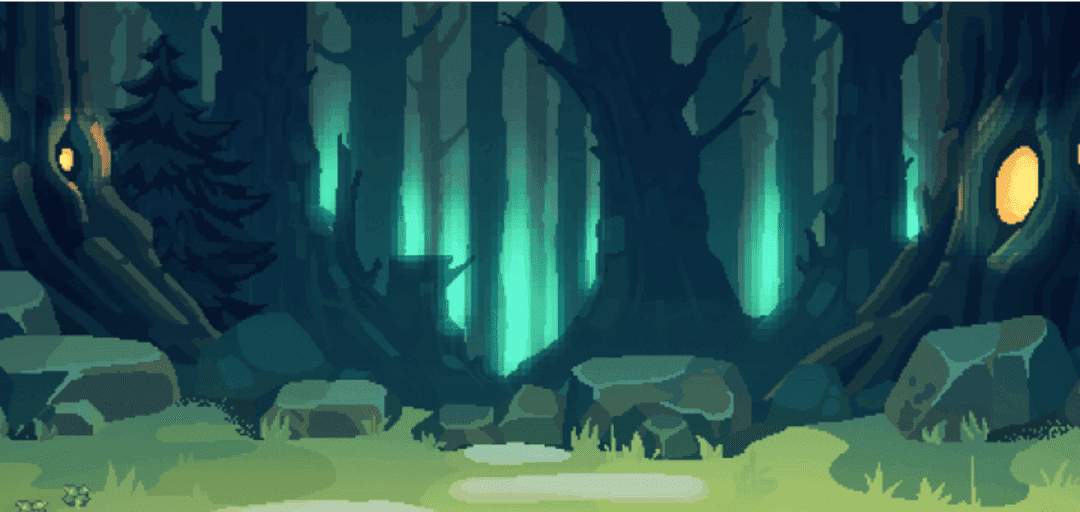
Elderglade is built around turn-based PvPvE extraction runs, where every expedition is a calculated risk. You control a party of animal champions, each with their own abilities and roles, and head into the wilderness to hunt for resources, rare items, and crafting materials. Once you enter a zone, the goal is simple on paper but tense in practice: survive long enough to gather what you came for, then extract before your party is wiped out.
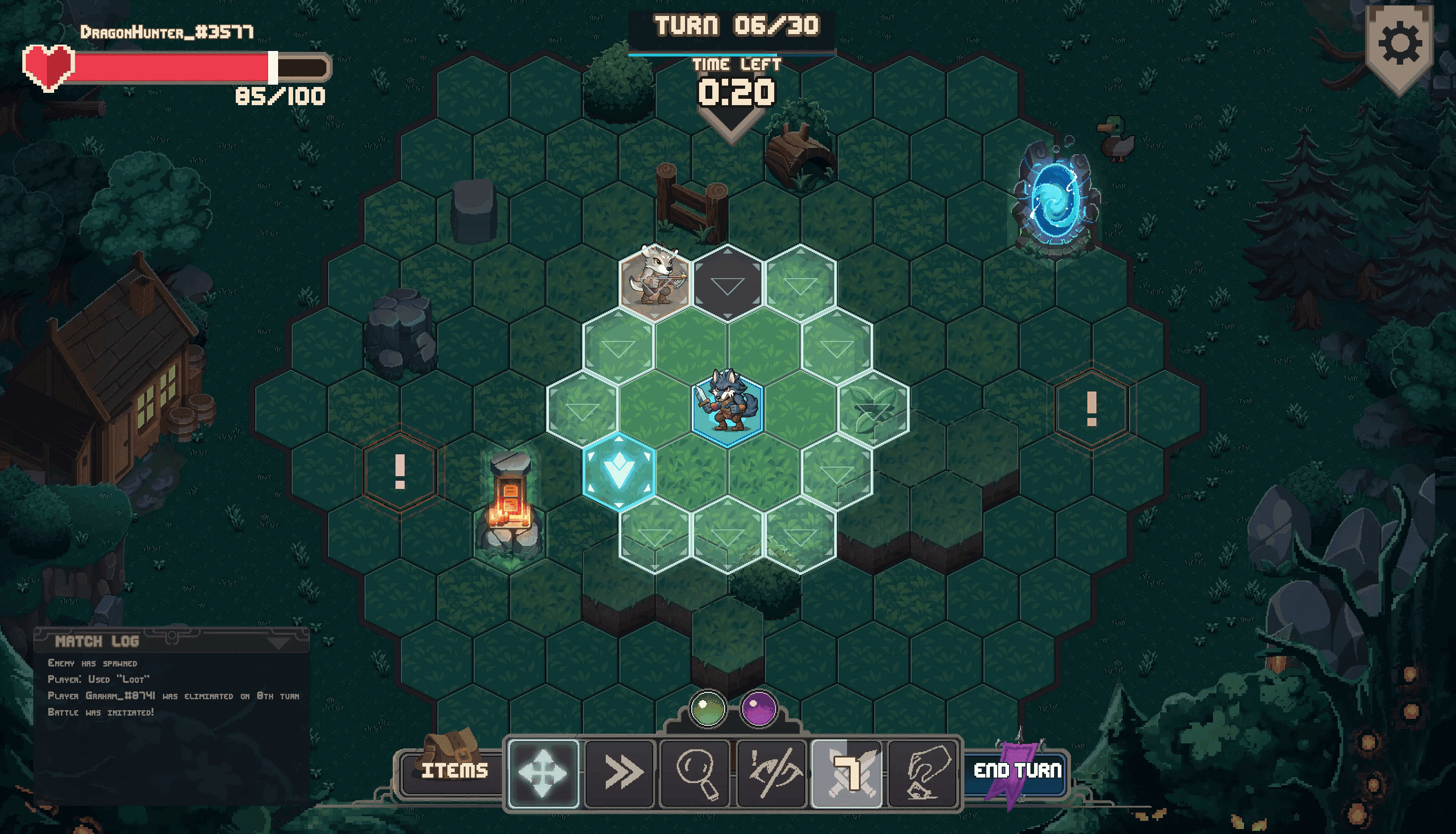
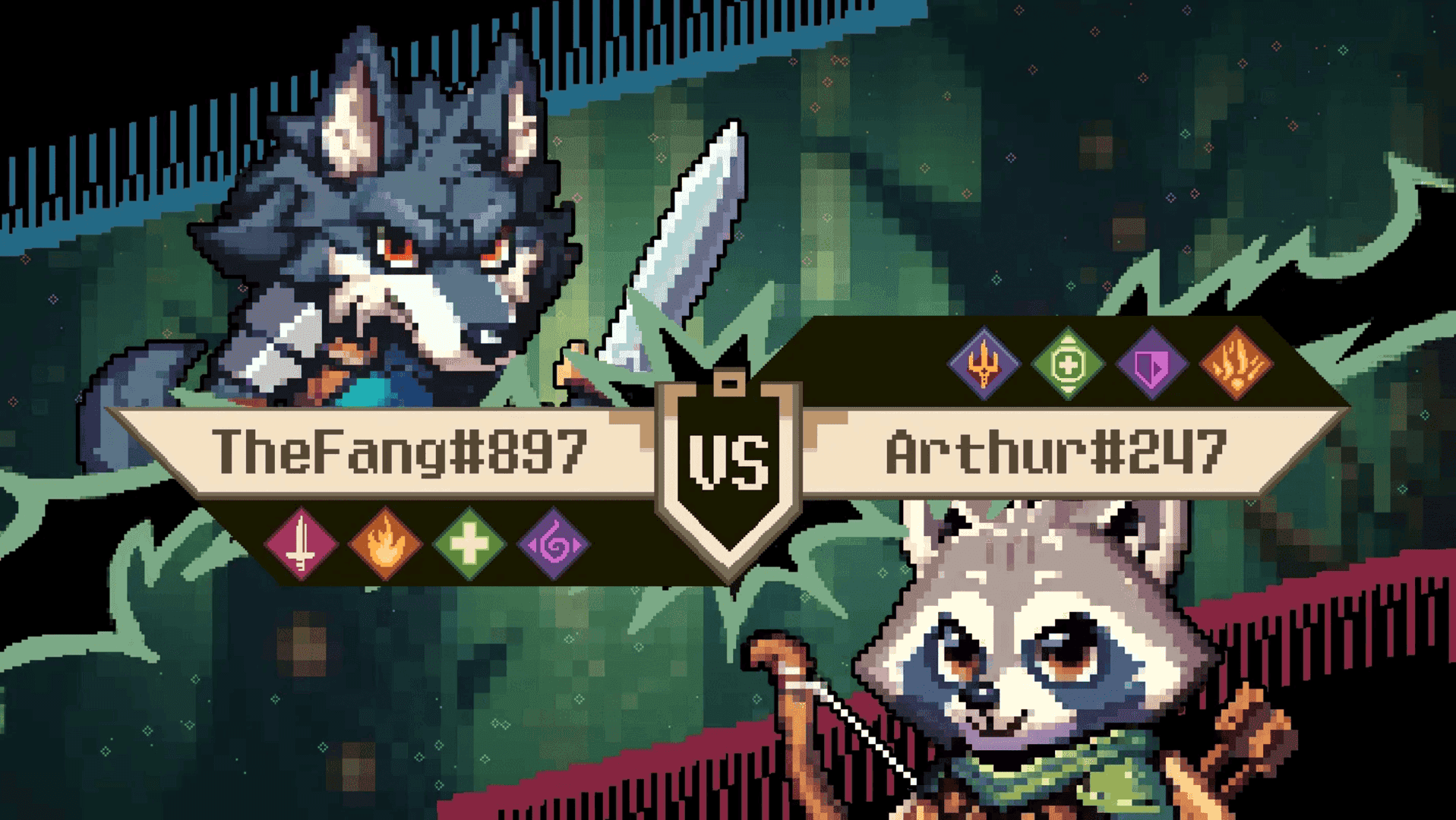
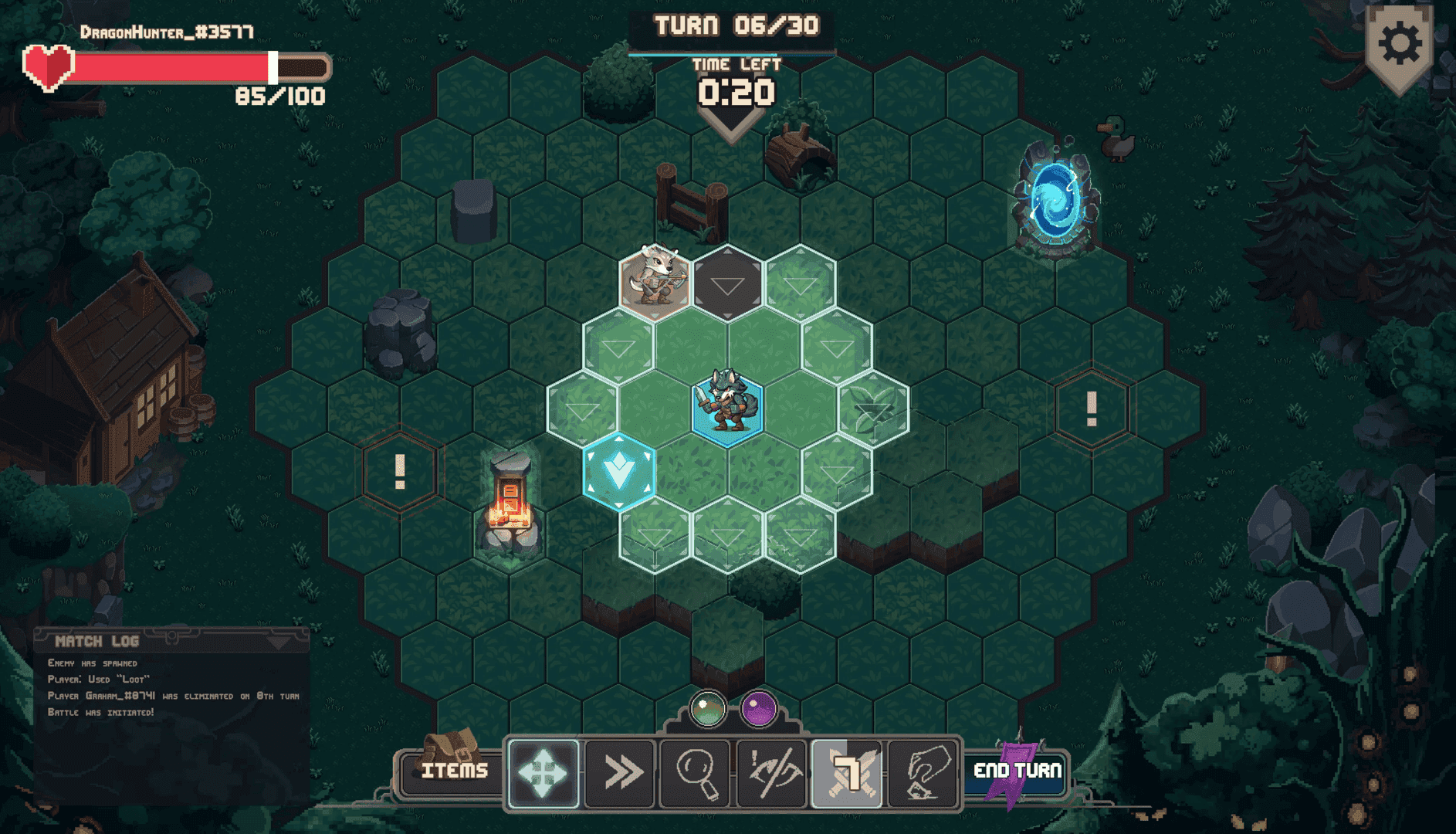
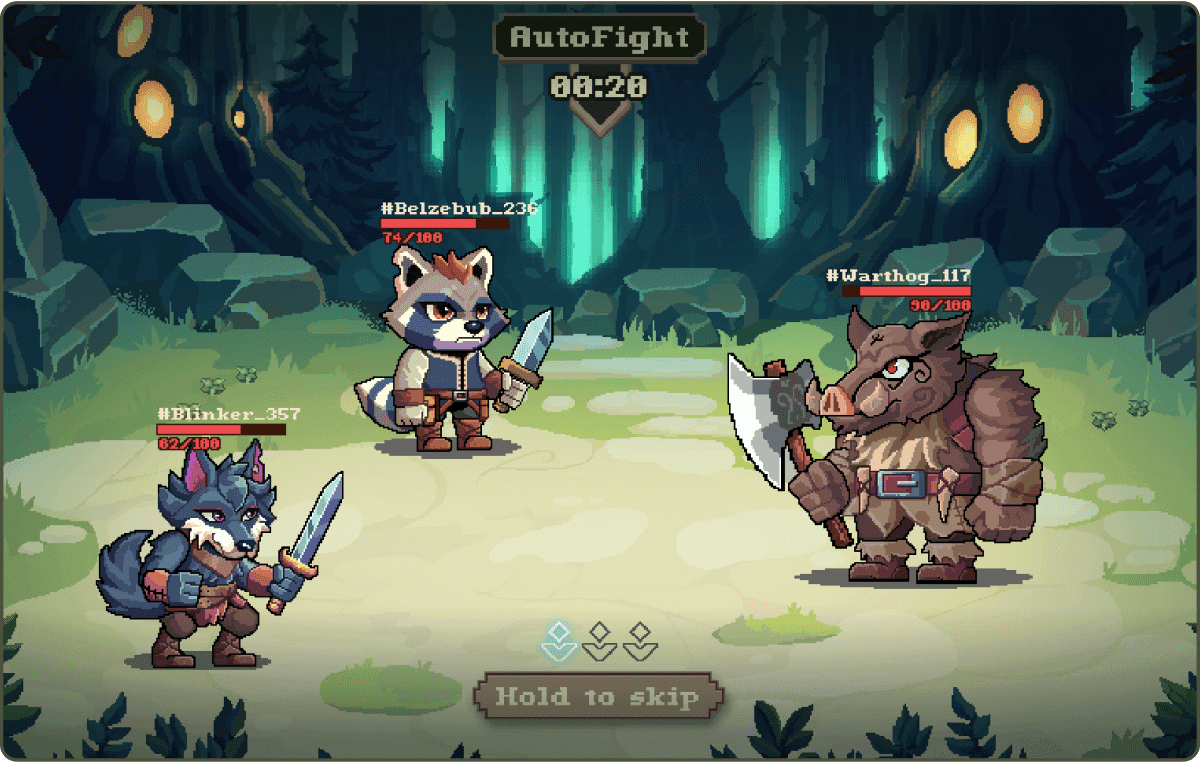
Combat is deliberate and strategic. Every action in battle is turn-based, so decisions matter more than reaction speed. Ability cooldowns, positioning, and status effects heavily influence the flow of fights. Some enemies try to wear you down slowly, others force quick answers, and when another player is hunting the same zone, the tension spikes fast. Whether you win, retreat, or get caught unprepared decides what happens to the items you’re carrying. Losing means your party drops their haul, so greed always comes with risk.
Outside the wilds, towns act as shared social and economic hubs. Characters recover here, gear is repaired, and resources can be traded or crafted into stronger equipment. Players who prefer a strategic, long-view playstyle can invest in town development instead of constantly fighting. Buildings like Taverns, Healers’ Havens, Scavenger Huts, and crafting stations can be owned and upgraded, and other players pay fees when they use those services. The better maintained your establishment is, the more valuable it becomes, so town progression forms its own deep meta.
This creates two equally valid play identities. Some players focus on exploring, fighting, and learning the wilderness to push deeper and extract better loot. Others focus on stabilizing the economy, managing buildings, supplying gear, and earning from the constant flow of adventurers passing through. The two groups rely on each other to keep the world moving, and both contribute meaningfully to the growth of Elderglade.
Whether you see yourself as the one who ventures into danger or the one who builds the place everyone returns to, the game rewards commitment to the path you choose.
NFTs and Blockchain
Elderglade uses NFTs to represent ownership and progression. Champion NFTs act as your playable animal heroes, each with different species visuals and minor traits. Their strength still depends on how you build them, the gear you equip, and your decisions in turn-based encounters. Weapons, armor, and utility items can also exist as NFTs, but they originate from gameplay first. You earn them through PvPvE runs, craft them from gathered materials, or trade with other players. Higher-tier equipment comes from time and strategy, not from directly buying an advantage.
One of the most meaningful NFT layers is property ownership. Buildings such as Taverns, Healer’s Havens, Scavenger’s Huts, or Wilderness zones can be owned, upgraded, and managed. When other players use services in your establishment or gather resources in your region, you receive a share of the fees.
Elderglade’s NFT ecosystem is built on Ethereum, with the game leveraging W3Forge’s multichain protocol to allow broader reach without forcing players into a single chain onboarding experience. The $ELDE token powers crafting, marketplace trading, building upgrades, and other service fees within the ecosystem.
Latest Game Updates (2025)
Development throughout early and mid 2025 focused on refining PvPvE extraction runs, town building, and the gear insurance system that lets players reduce loot loss risk during tough expeditions. The Pre-Game mobile series continued to expand as a way for new players to earn early rewards before launch. Community town ownership also became a clearer progression goal, giving players more ways to specialize either as adventurers or economic leaders.
How to Get Started
Elderglade now offers immediate access via its Telegram game bot, so you can jump in right away from your mobile or desktop without waiting for full release. Just open the Telegram bot, create an account (or connect your wallet later), and begin playing the match-3 style mini-game that earns points and rewards tied to the larger world. A LINE mini-app version is also supported, which means you’ll find it in LINE’s game catalog where you can play via mobile or browser.
While the full 2D pixel-art turn-based PvPvE extraction looter is still in development, this current playable layer allows you to build your account, earn early rewards, and learn the world of Elderglade ahead of full launch