Overview
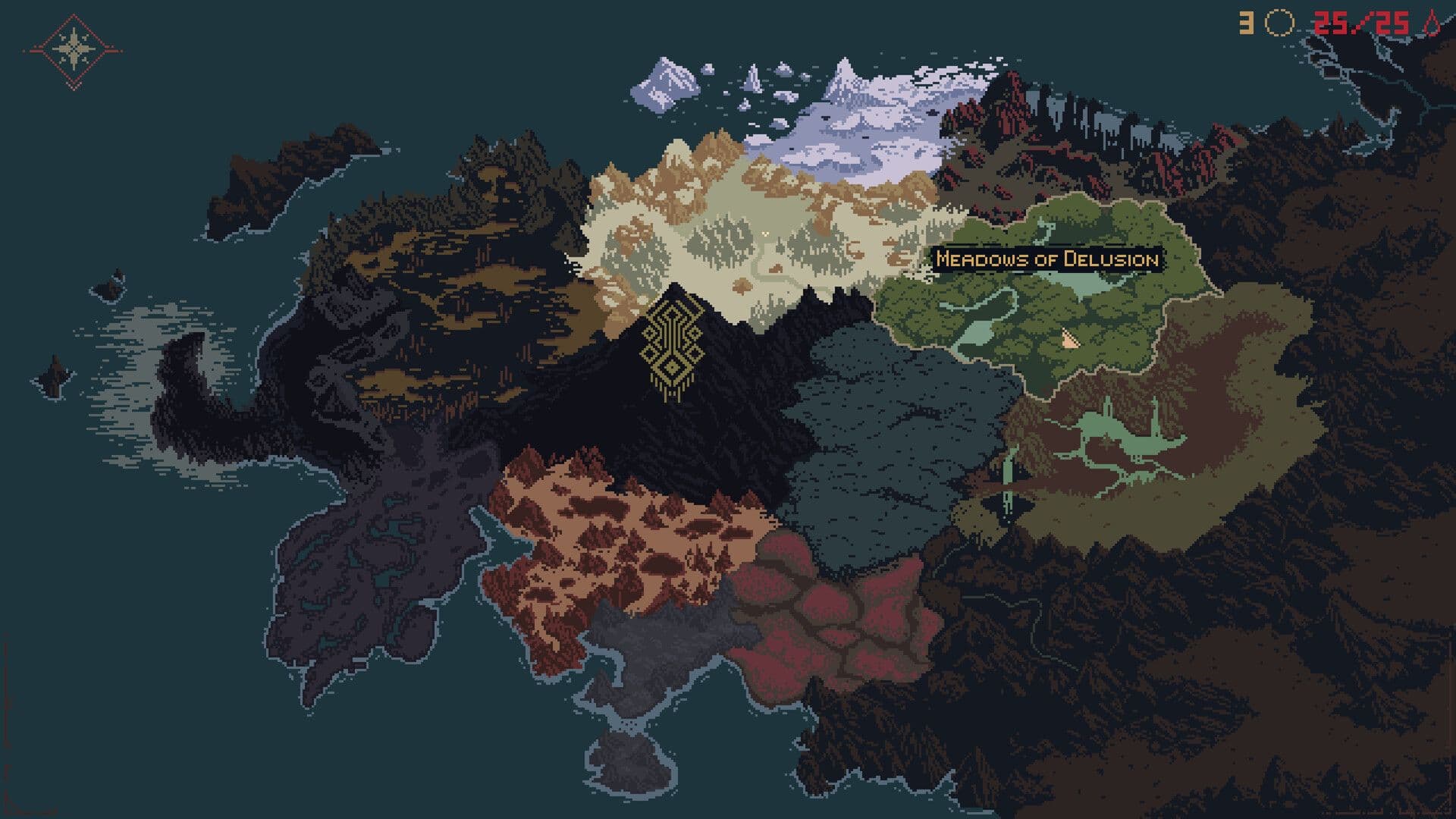
Death Howl presents players with Ro, a tribal hunter driven to the spirit realm by overwhelming grief after losing her son. The game establishes its emotional core through this narrative foundation while building complex tactical systems around deck construction and turn-based combat. Players traverse multiple mystical regions, each presenting unique environmental challenges and spirit encounters that demand strategic adaptation.
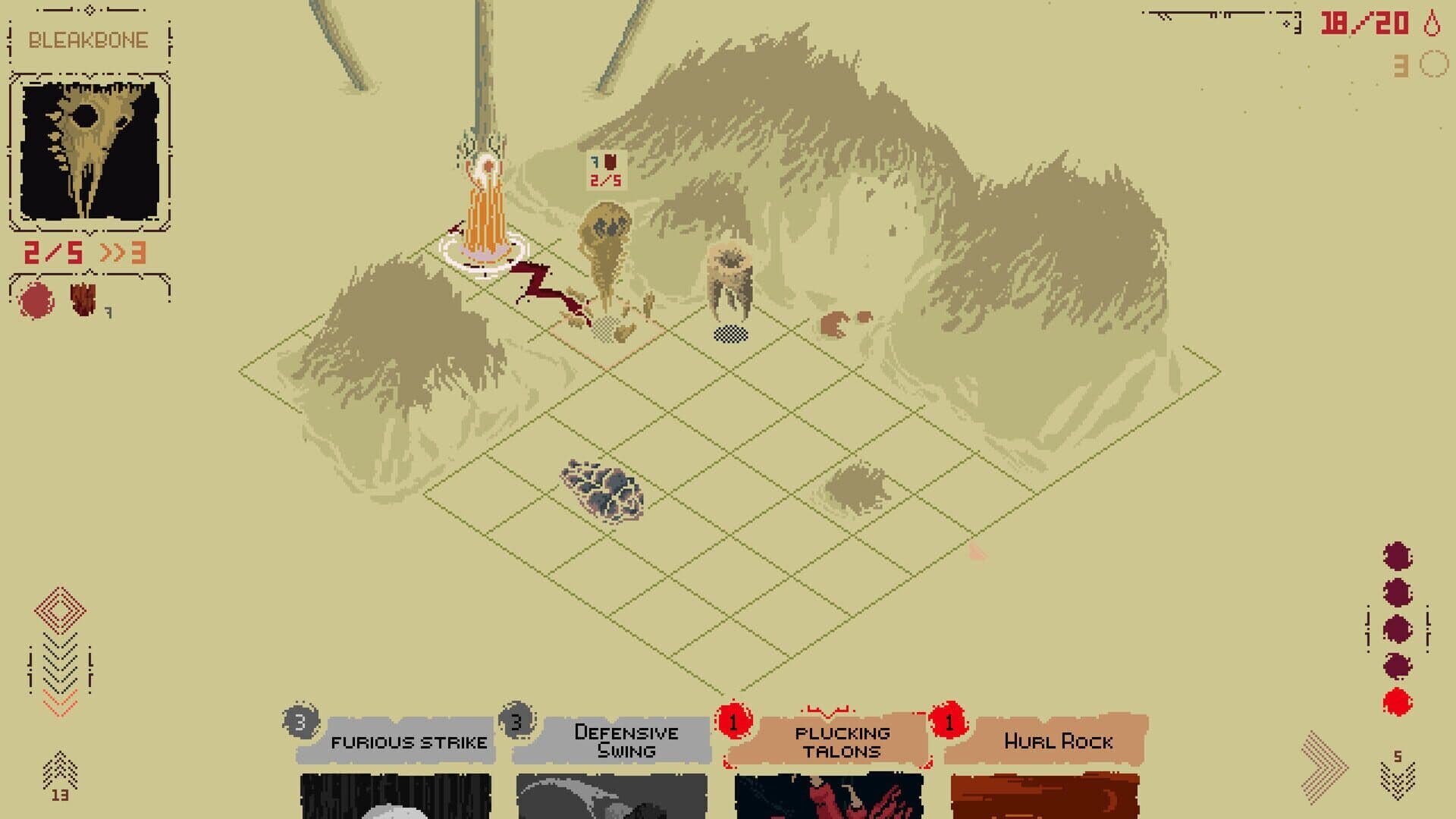
The turn-based battles require careful planning as players balance offensive capabilities with defensive positioning. Card crafting forms the mechanical backbone, with ingredients gathered from exploration feeding into deck customization. Shamanic totems provide additional strategic layers, modifying card effects and opening new tactical possibilities. The soulslike elements manifest through challenging encounters that punish careless play while rewarding pattern recognition and strategic thinking.
What Makes the Deck-Building System Unique?
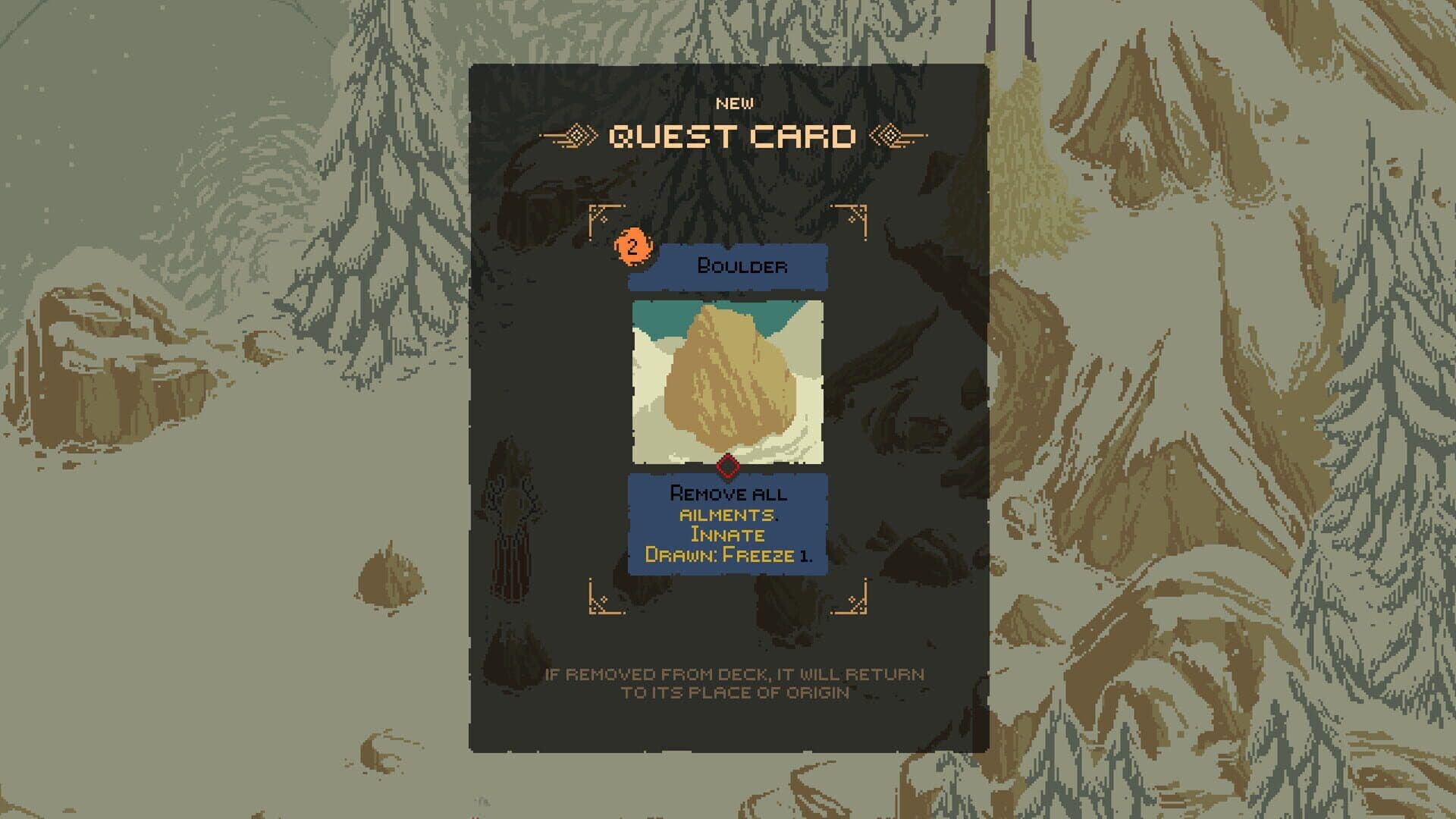
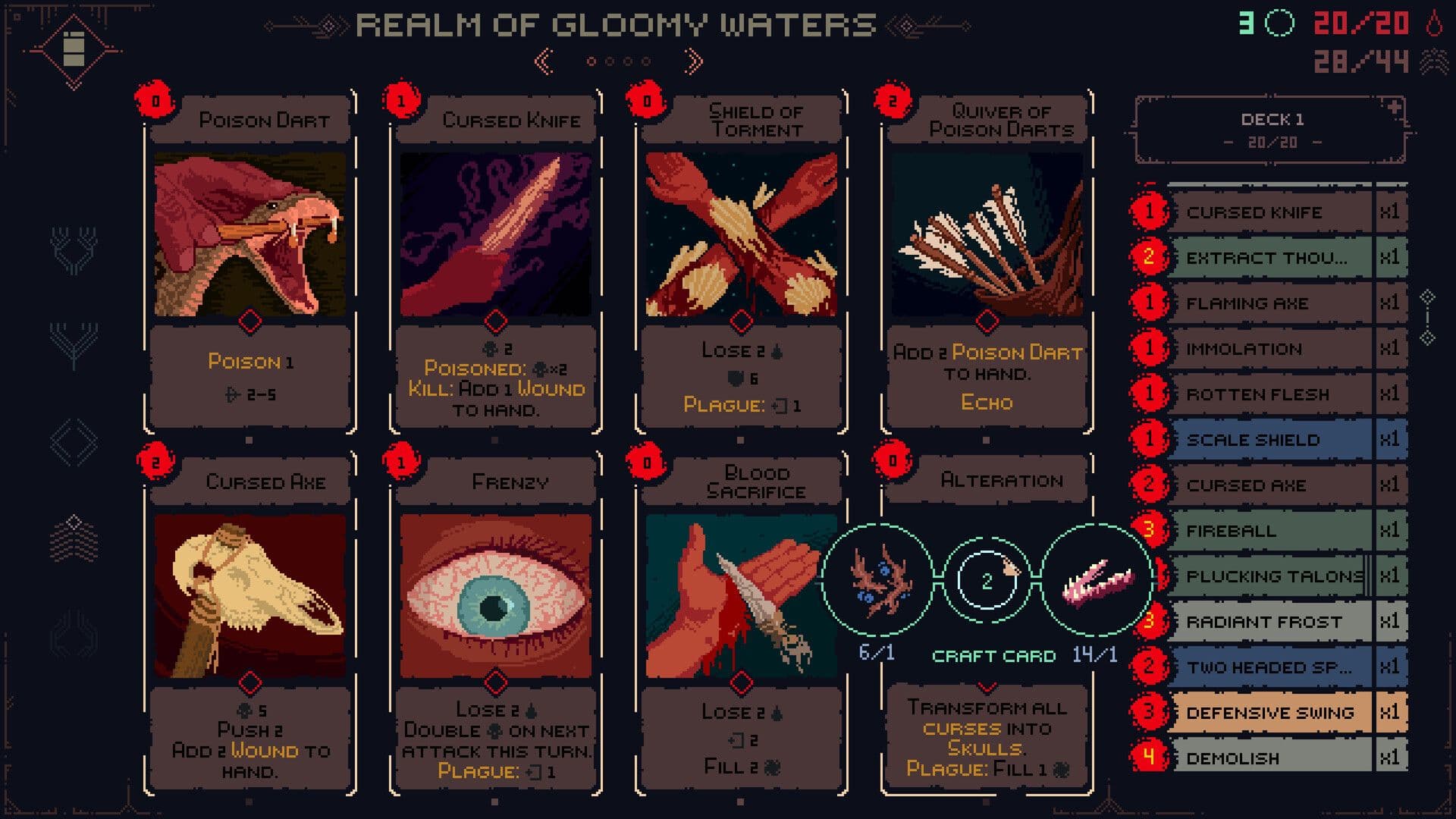
The card crafting mechanics distinguish Death Howl from traditional deck-builders through regional ingredient systems. Each area of the spirit realm produces distinct resources that enable specific card types, encouraging exploration and experimentation. Players construct decks from melee and ranged spell cards, with shamanic totems serving as persistent modifiers that fundamentally alter combat approaches.
Key deck-building features include:
- Regional ingredient gathering for card creation
- Shamanic totem enhancements
- Melee and ranged spell balance
- Adaptive deck customization
- Progressive card unlocks
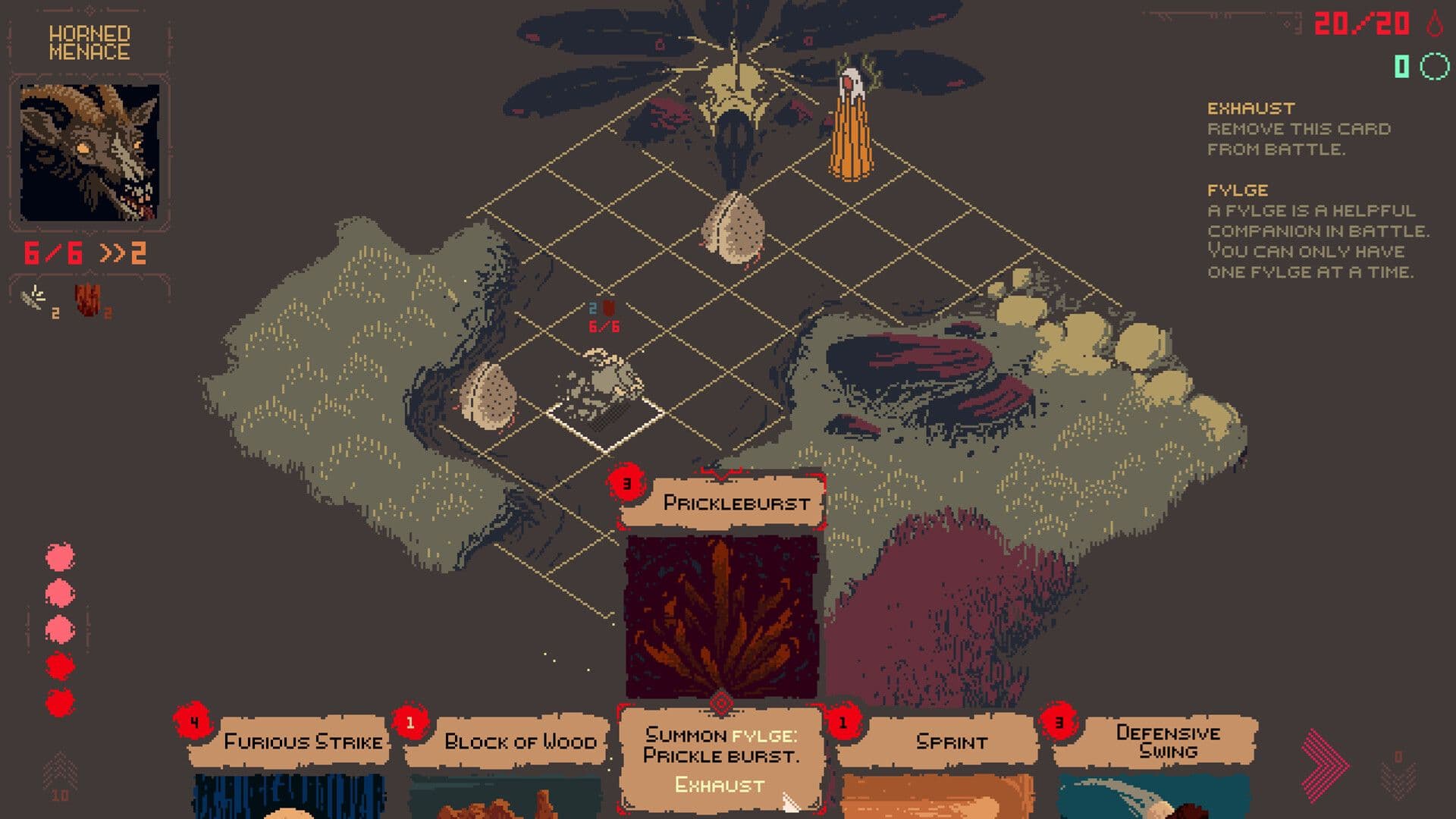
Death Howl
The system rewards thoughtful composition over random accumulation. Unlike games where bigger decks equal better chances, Death Howl emphasizes synergy between carefully selected cards and totems. This design philosophy mirrors the game's thematic focus on precision and adaptation rather than overwhelming force.
Tactical Combat and Spirit Encounters
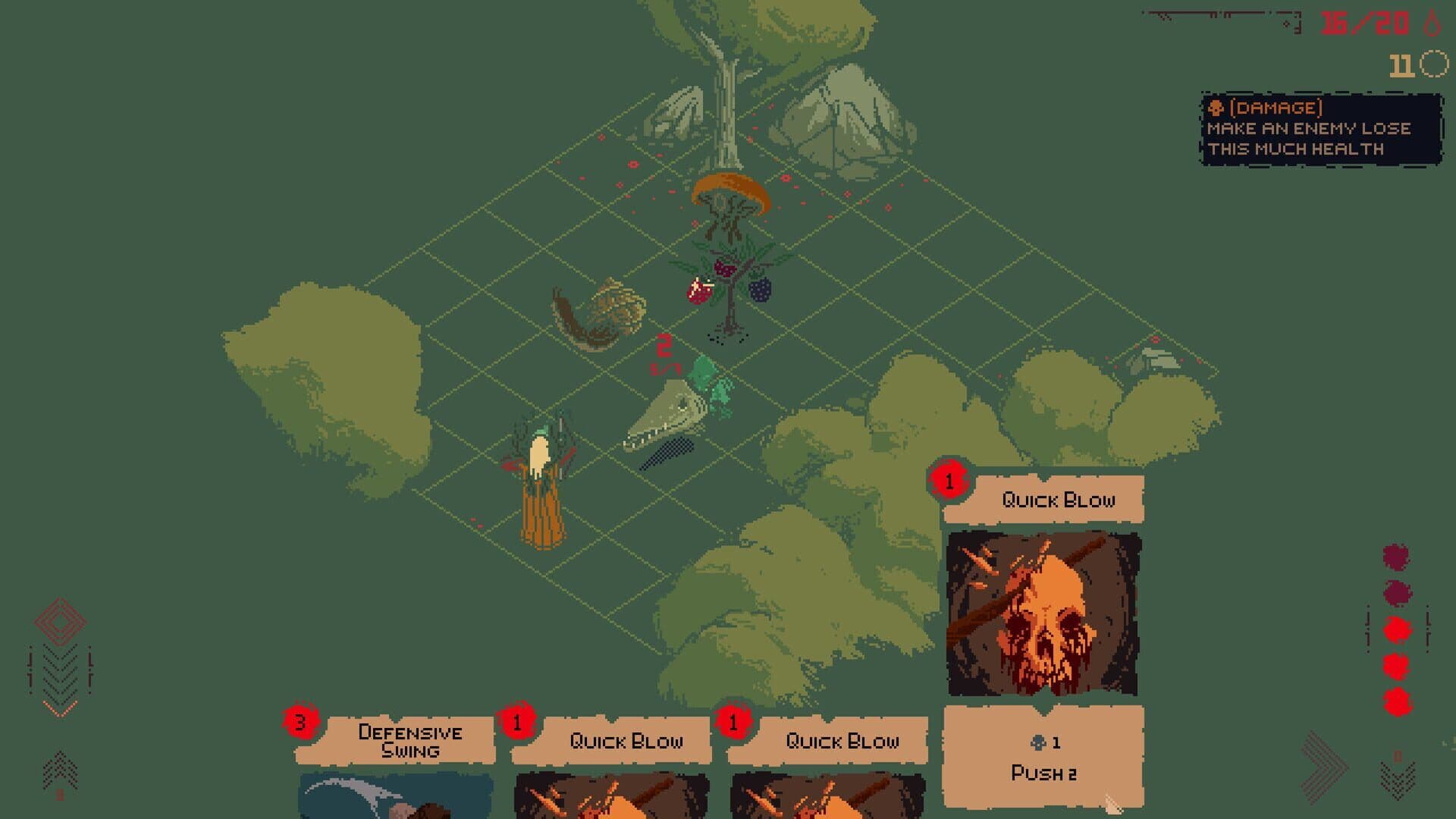
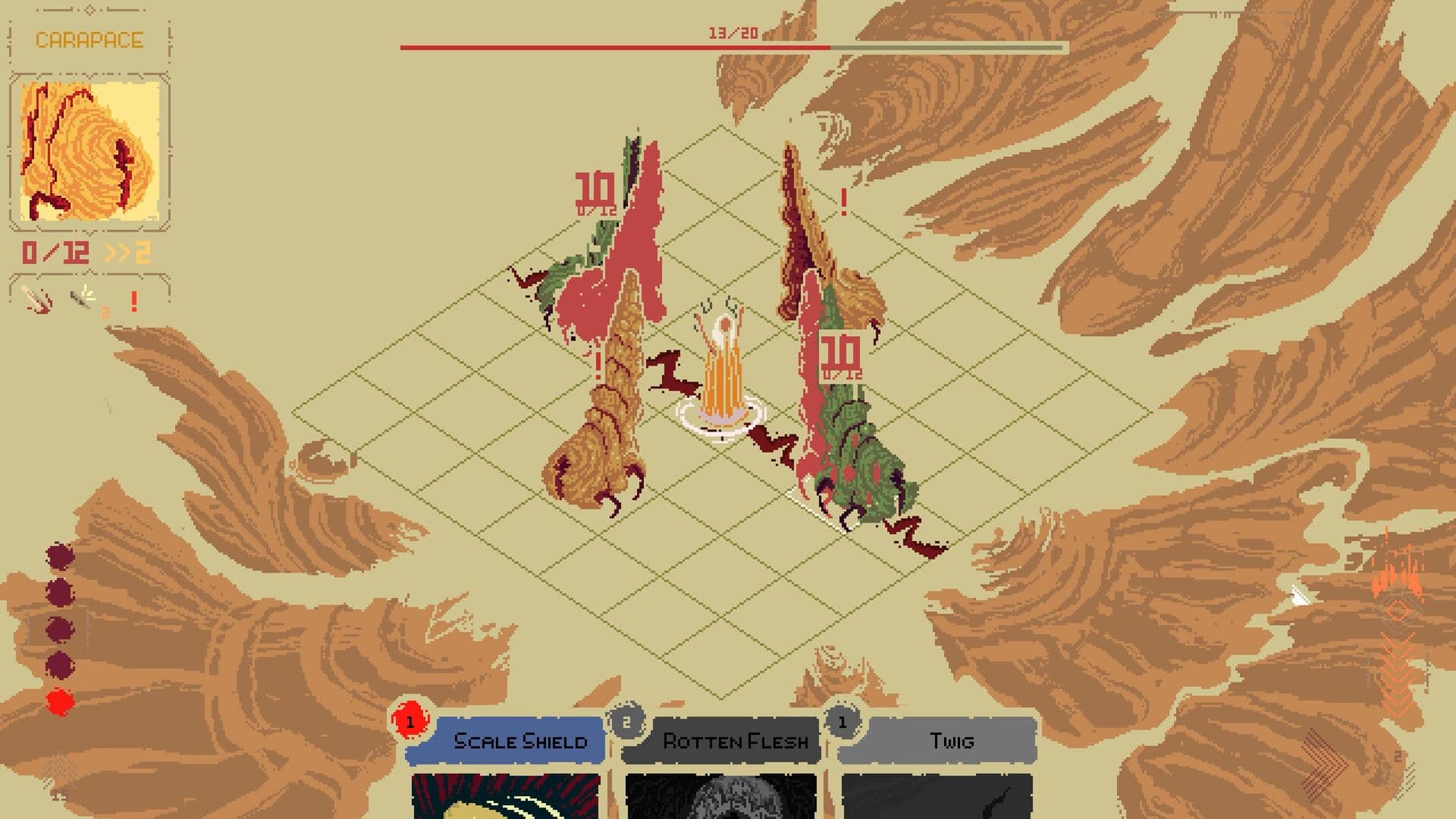
Turn-based battles demand more than simple card selection. Each spirit enemy presents distinct behavioral patterns and vulnerabilities that players must identify and exploit. The tactical layer deepens through positioning considerations and resource management, as cards consume limited energy reserves that regenerate between encounters.
Death Howl
Combat encounters scale in complexity as players progress through different regions. Early spirits teach fundamental mechanics through straightforward patterns, while later adversaries combine multiple attack types and defensive capabilities. The soulslike influence appears in the punishment for mistakes—poor deck construction or tactical errors result in swift defeats that send players back to reassess their approach.
Atmosphere and Mythological Setting
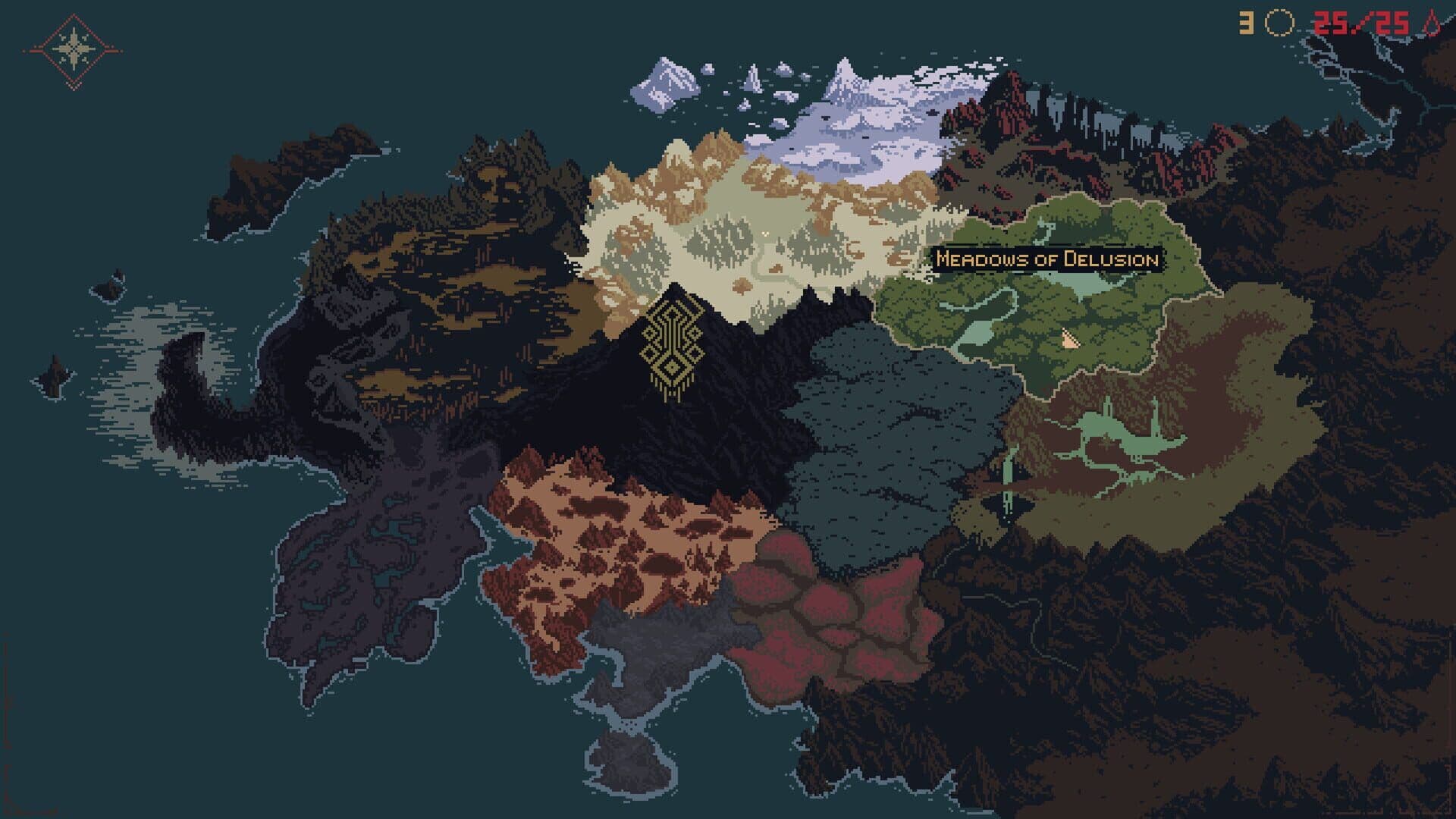
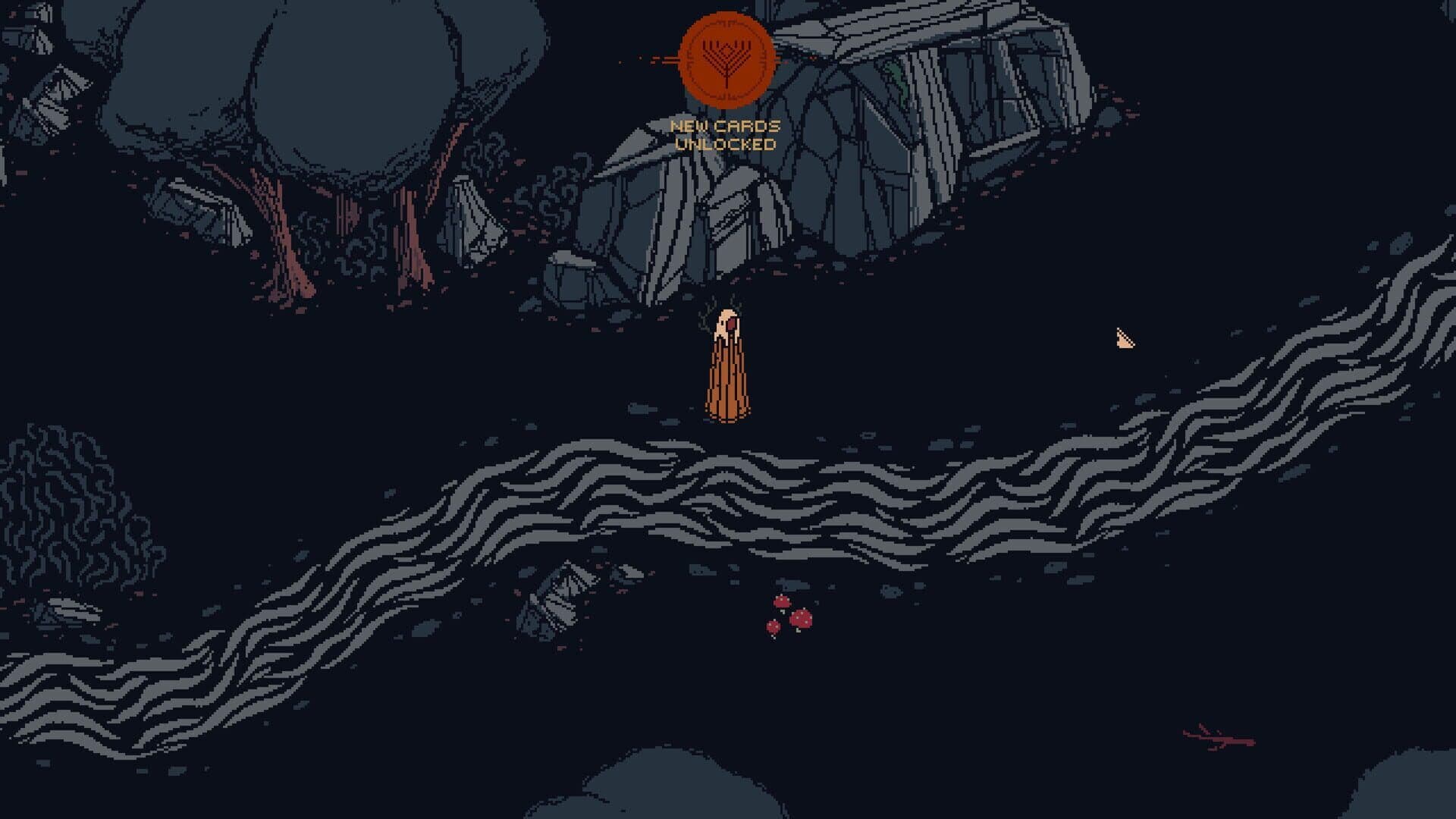
The spirit realm's visual design draws heavily from shamanic traditions and indigenous mythology, creating environments that feel both alien and grounded in cultural storytelling. Forgotten lands shrouded in mystical energy provide the backdrop for Ro's journey, with each region presenting distinct aesthetic identities tied to their spirit inhabitants.
Death Howl
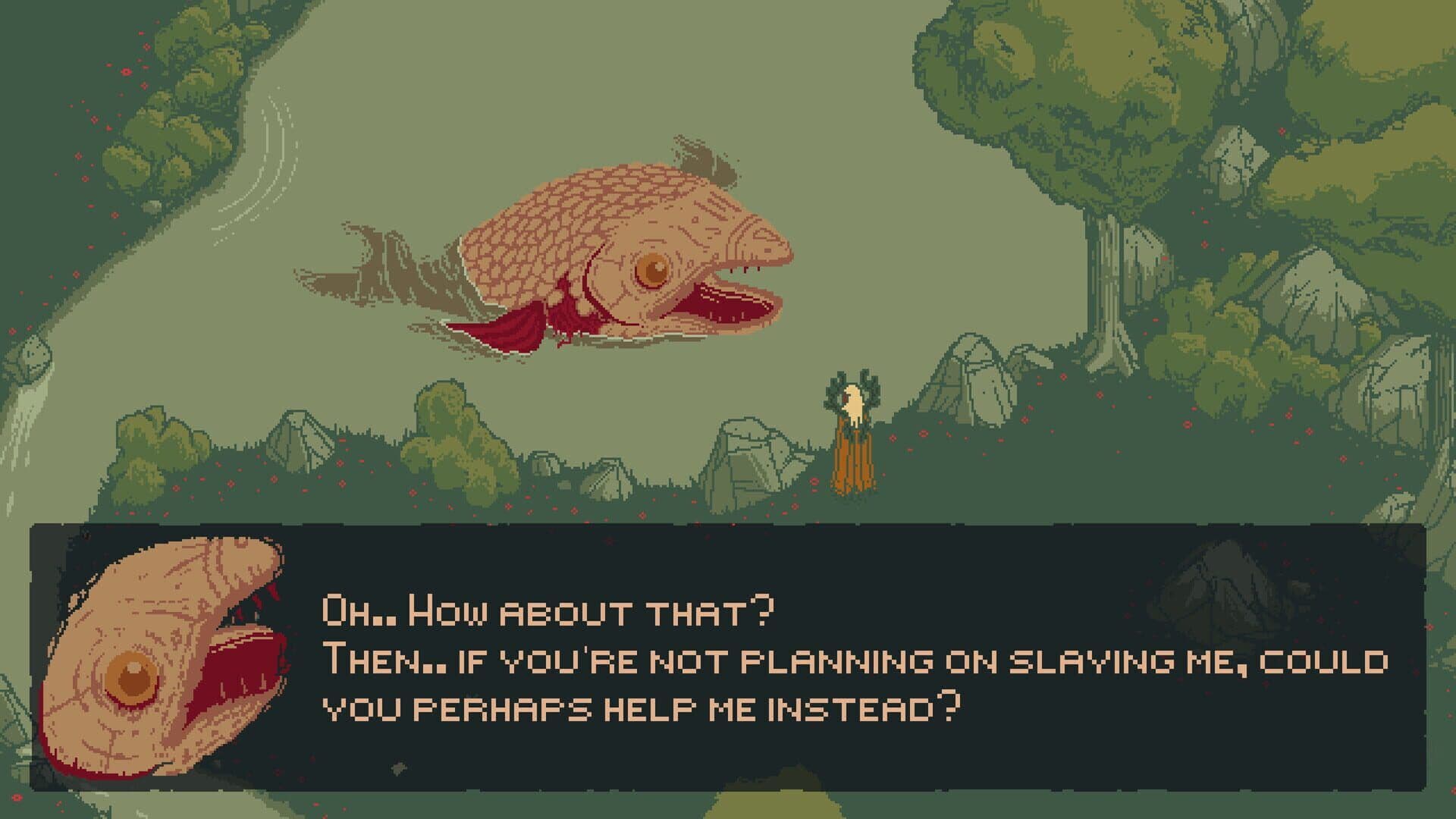
The narrative explores themes of grief, healing, and resilience without relying on extensive dialogue or cutscenes. Environmental storytelling and discovered fragments reveal the world's history and the nature of the spirits Ro confronts. This approach maintains narrative momentum while keeping focus on gameplay systems and tactical challenges.
Progression and Replayability
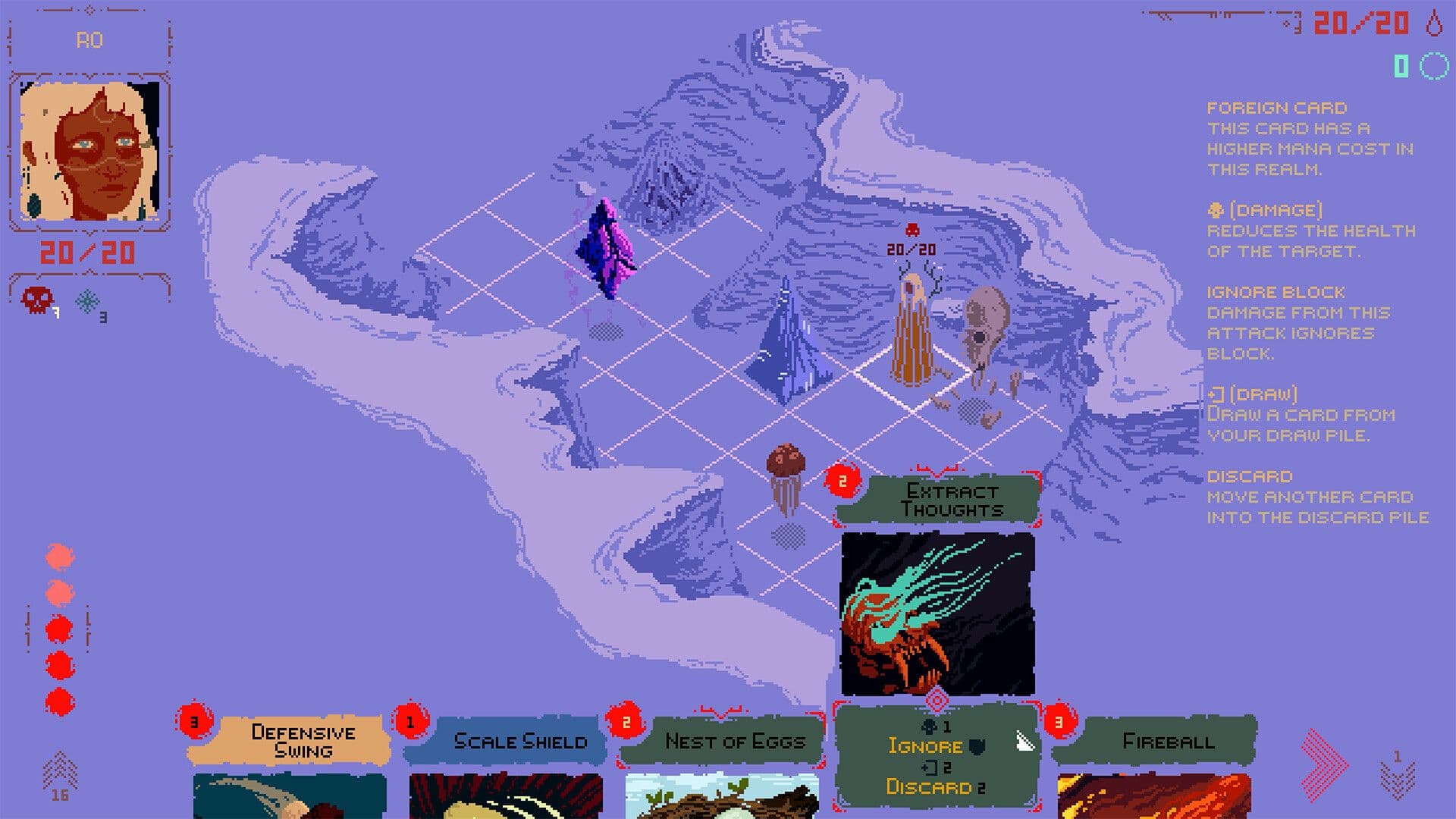
Death Howl structures progression through both narrative advancement and mechanical mastery. As players uncover new regions, they gain access to expanded card-crafting options and powerful totems that enable different strategic builds. The roguelike elements encourage multiple playthroughs, with each run potentially revealing new card combinations and tactical approaches.
Death Howl
The game supports experimentation through its ingredient system, allowing players to test different deck archetypes without permanent commitment. Failed runs provide knowledge about enemy patterns and optimal card synergies, translating defeat into educational experiences that inform subsequent attempts. This creates a learning curve that respects player investment while maintaining challenge.
Conclusion
Death Howl delivers a compelling fusion of deck-building strategy and soulslike challenge within a richly atmospheric spirit world. The tactical depth of its card-crafting system combines with meaningful totem mechanics to create strategic variety across multiple playthroughs. Available on PC, PlayStation, Xbox, and Nintendo Switch, this turn-based adventure offers a distinctive take on tactical deck-builders for players seeking both mechanical complexity and emotional resonance in their gaming experiences.