Overview
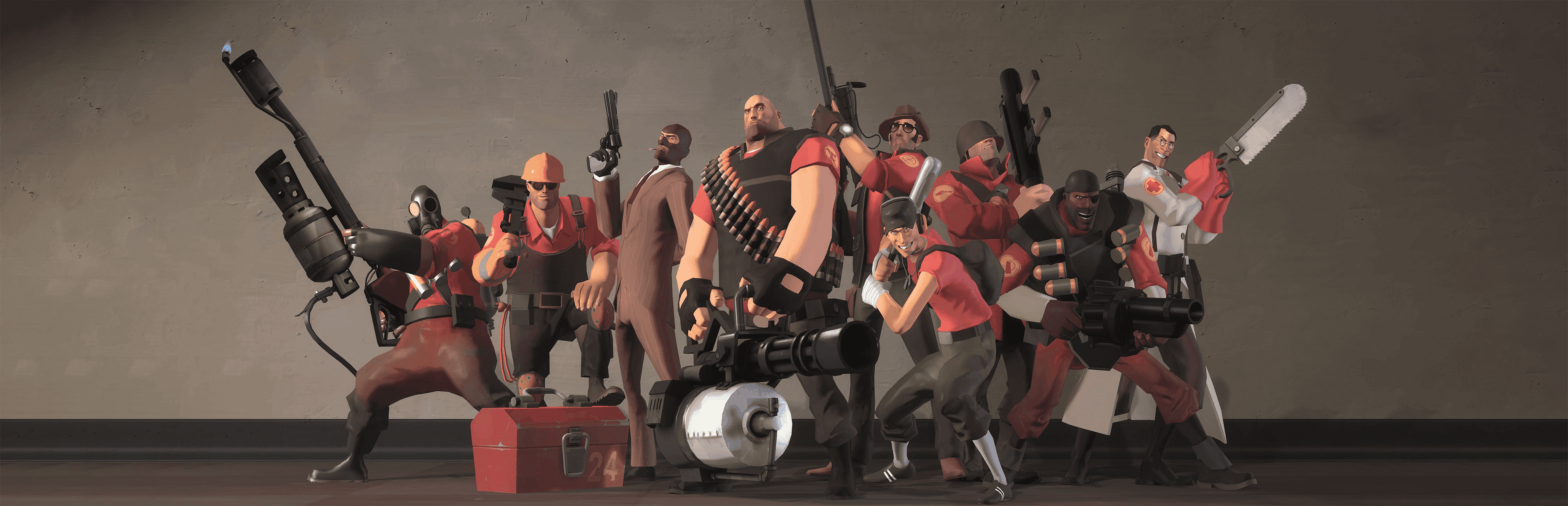
Team Fortress 2 revolutionizes multiplayer combat through its meticulously crafted class system, where nine unique mercenaries each bring specialized abilities to the battlefield. The game centers around team-based objectives across diverse maps, requiring strategic coordination and individual skill mastery. Players choose from roles ranging from the rocket-launching Soldier to the support-focused Medic, each offering distinct gameplay experiences that cater to different tactical preferences.
The core gameplay loop revolves around capturing control points, escorting payloads, or defending territories while leveraging each class's unique strengths. This design philosophy creates dynamic matches where team composition and coordination determine victory more than individual prowess alone.
Valve's continuous content updates have expanded the game significantly since launch, introducing new weapons, cosmetic items, and gameplay modes that keep the experience fresh. The infamous hat economy has become a cultural phenomenon, transforming character customization into an integral part of the Team Fortress 2 experience.
What Makes Each Class Essential?
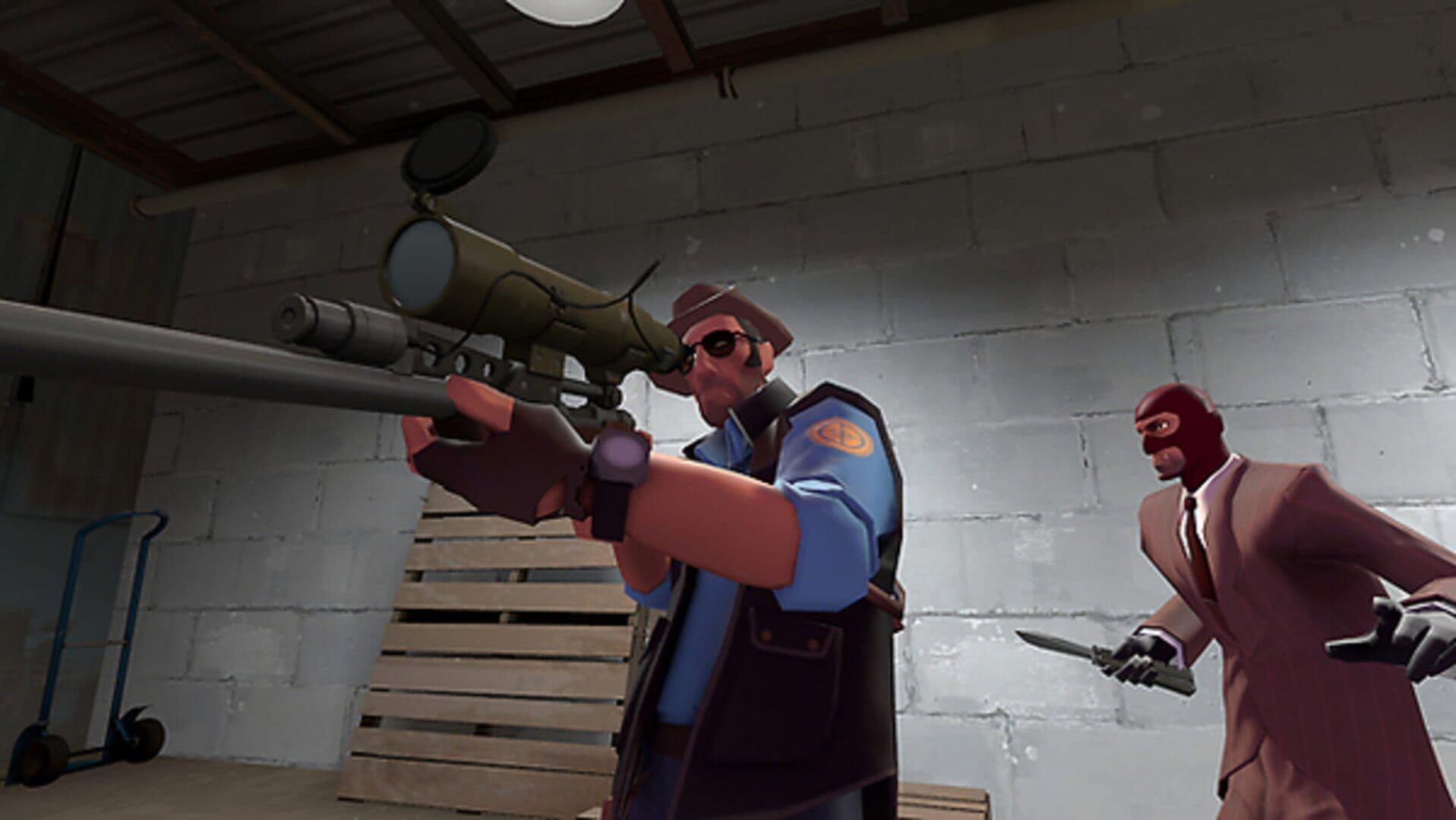
The nine-class system forms the strategic foundation of Team Fortress 2, with each mercenary filling specific battlefield roles:
- Scout: High-speed flanking and objective capture
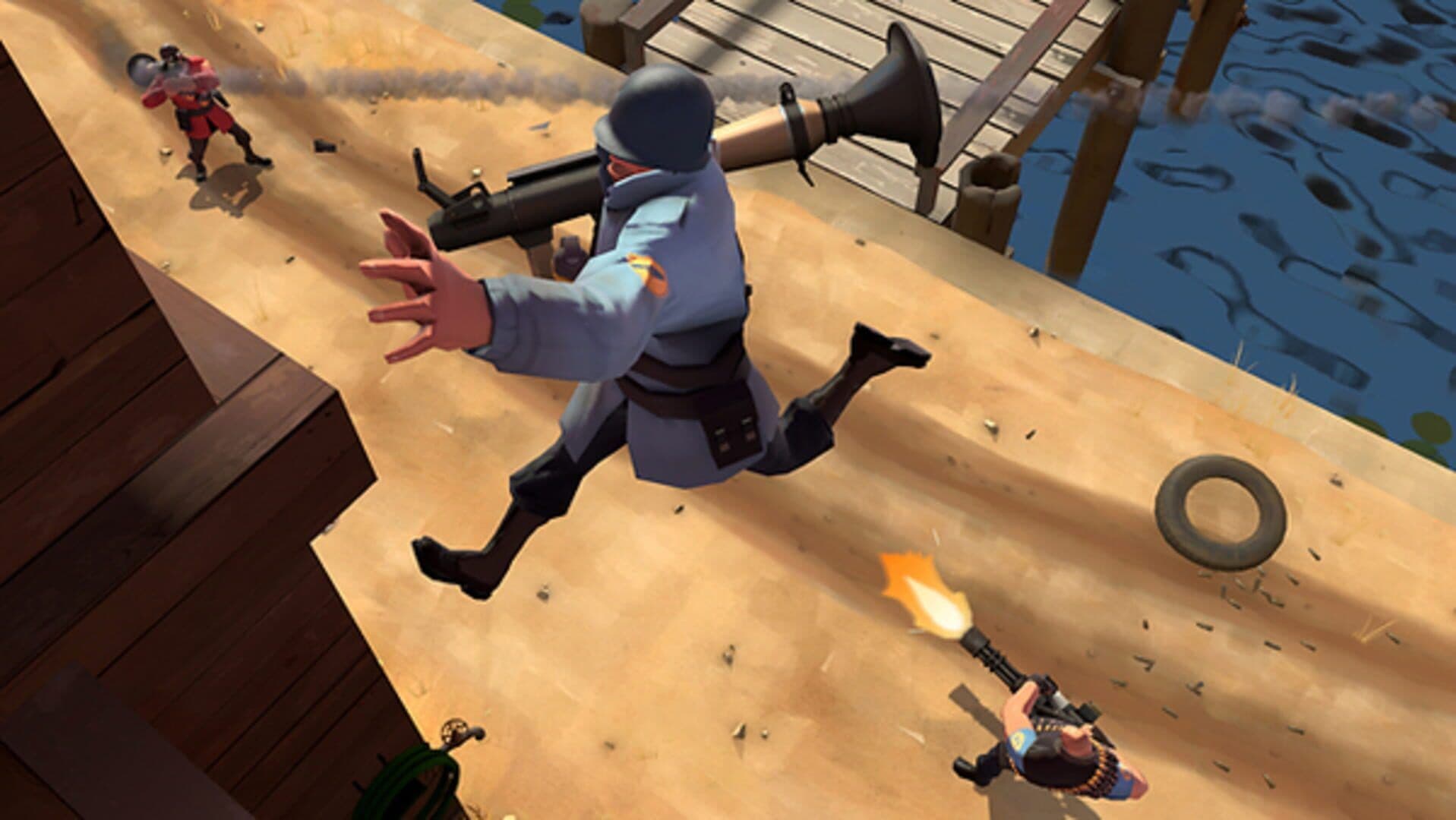
- Soldier: Explosive damage and area denial
- Pyro: Close-range combat and spy detection
- Demoman: Explosive area control and defense
- Heavy: Sustained firepower and frontline presence
Team Fortress 2 content image
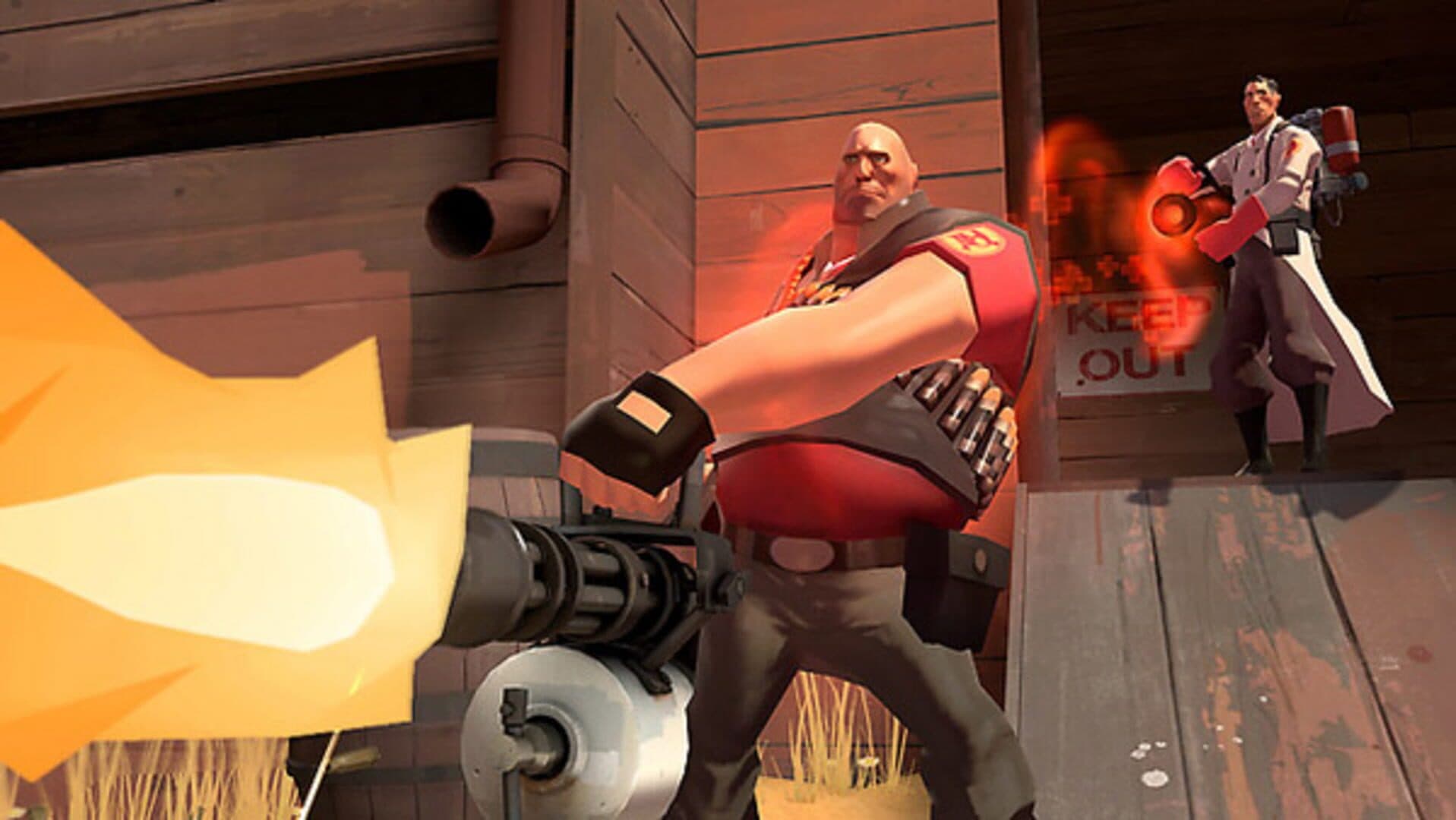
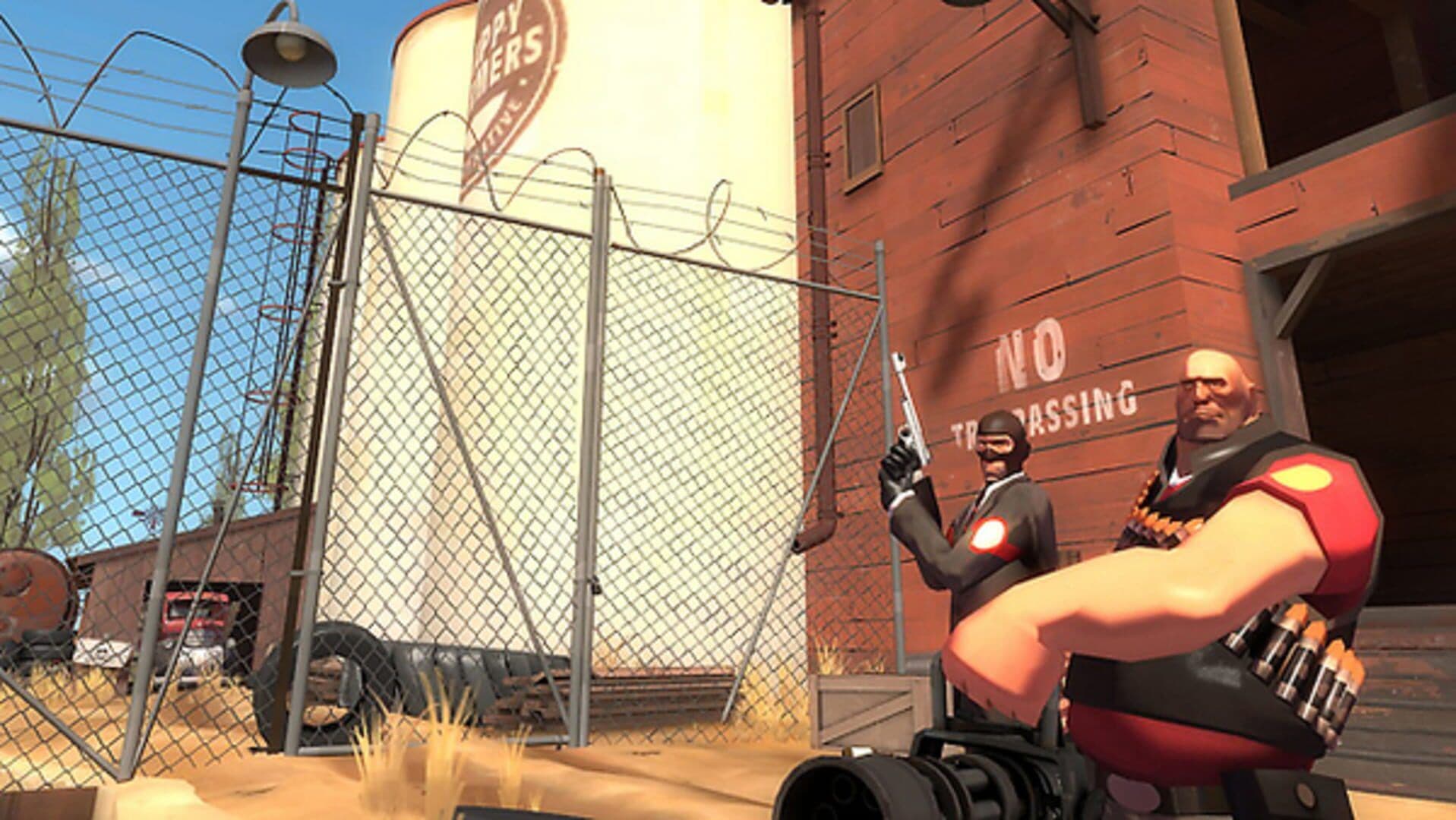
Each class features unique weapons, movement mechanics, and special abilities that create distinct playstyles. The Heavy Weapons Guy excels at holding chokepoints with his massive minigun, while the Scout's double-jump ability and speed make him perfect for hit-and-run tactics. This specialization ensures that every player can find a role that matches their preferred approach to combat.
The interplay between classes generates the game's tactical depth. A well-coordinated team combines offensive pressure from Soldiers and Demomen with support from Medics and Engineers, while Spies infiltrate enemy lines and Snipers provide long-range elimination.
Visual Design and Atmosphere
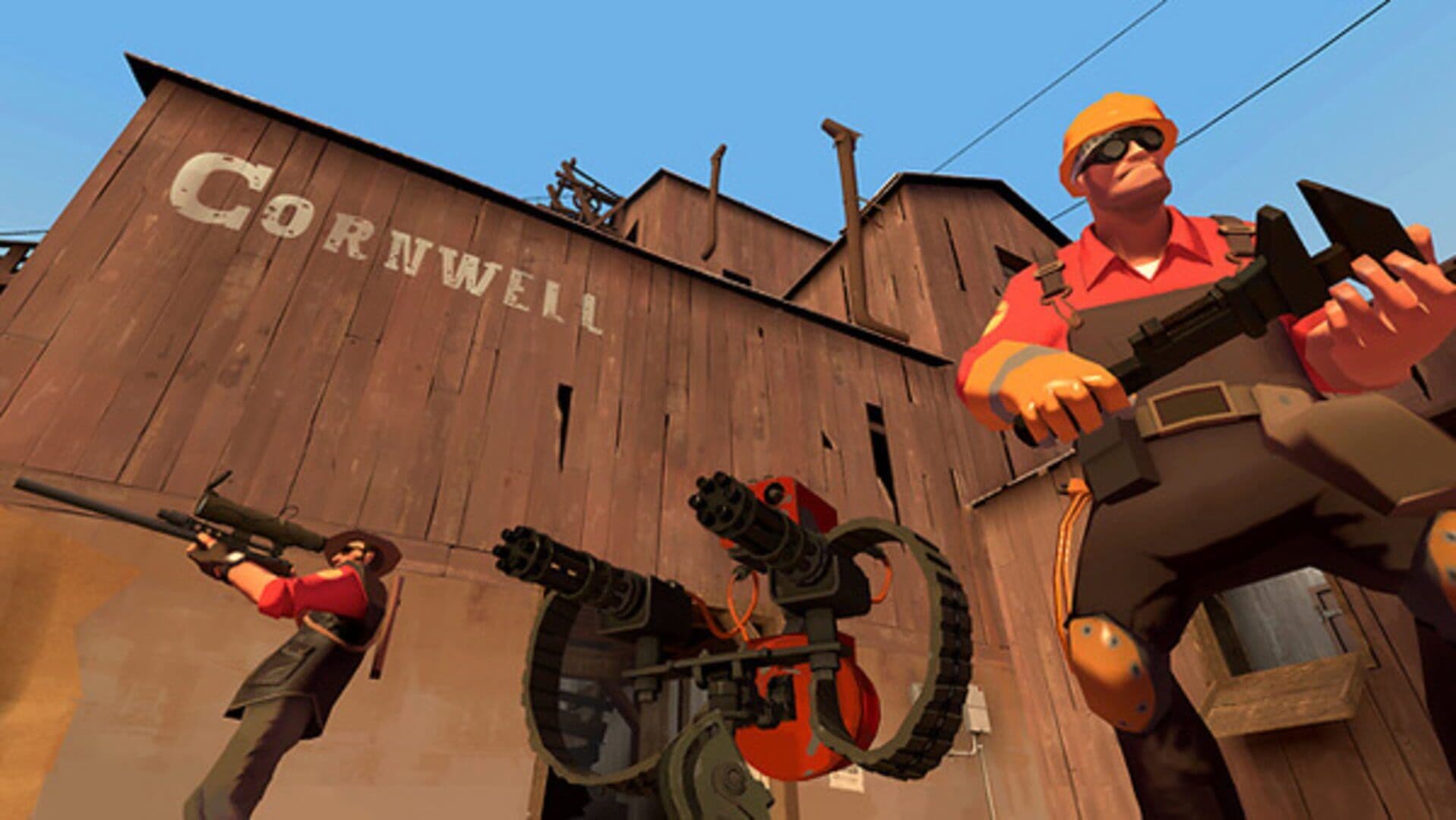
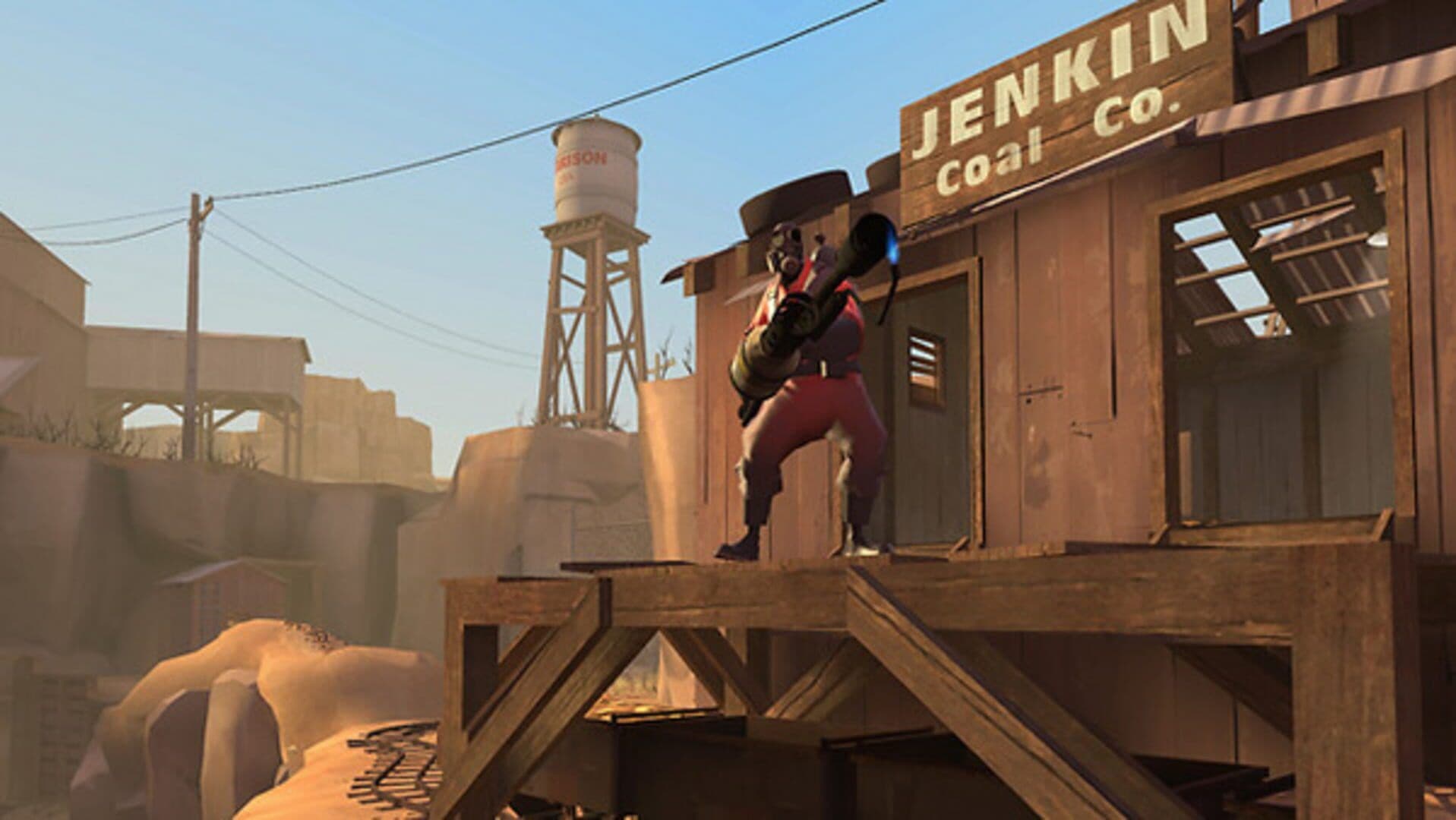
Team Fortress 2's distinctive art style blends 1960s industrial aesthetics with exaggerated cartoon proportions, creating a timeless visual appeal that remains striking years after release. The character designs emphasize personality through exaggerated features and animations, making each mercenary instantly recognizable even at a distance.
Team Fortress 2 content image
The game's color palette employs bold, saturated tones that enhance gameplay clarity while maintaining visual appeal. Red and Blue team distinctions remain clear even during chaotic firefights, ensuring players can quickly identify threats and allies. Environmental design supports gameplay mechanics through clear sightlines and intuitive navigation paths.
Sound design complements the visual style with distinctive weapon audio, character voice lines, and ambient effects that provide crucial gameplay information. Each class features memorable voice acting that reinforces their personality while delivering tactical information to teammates.
Multiplayer Modes and Community Features
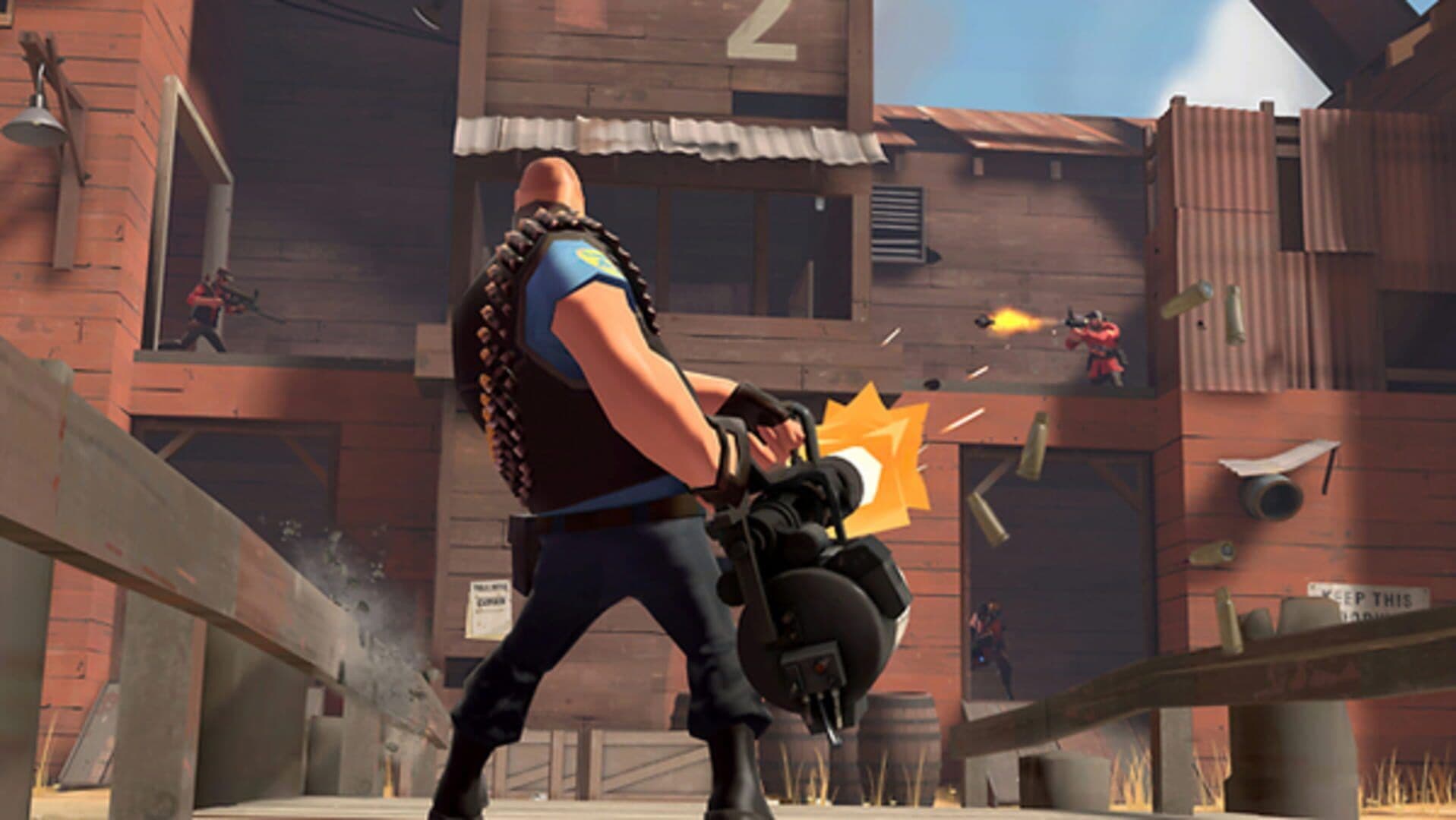
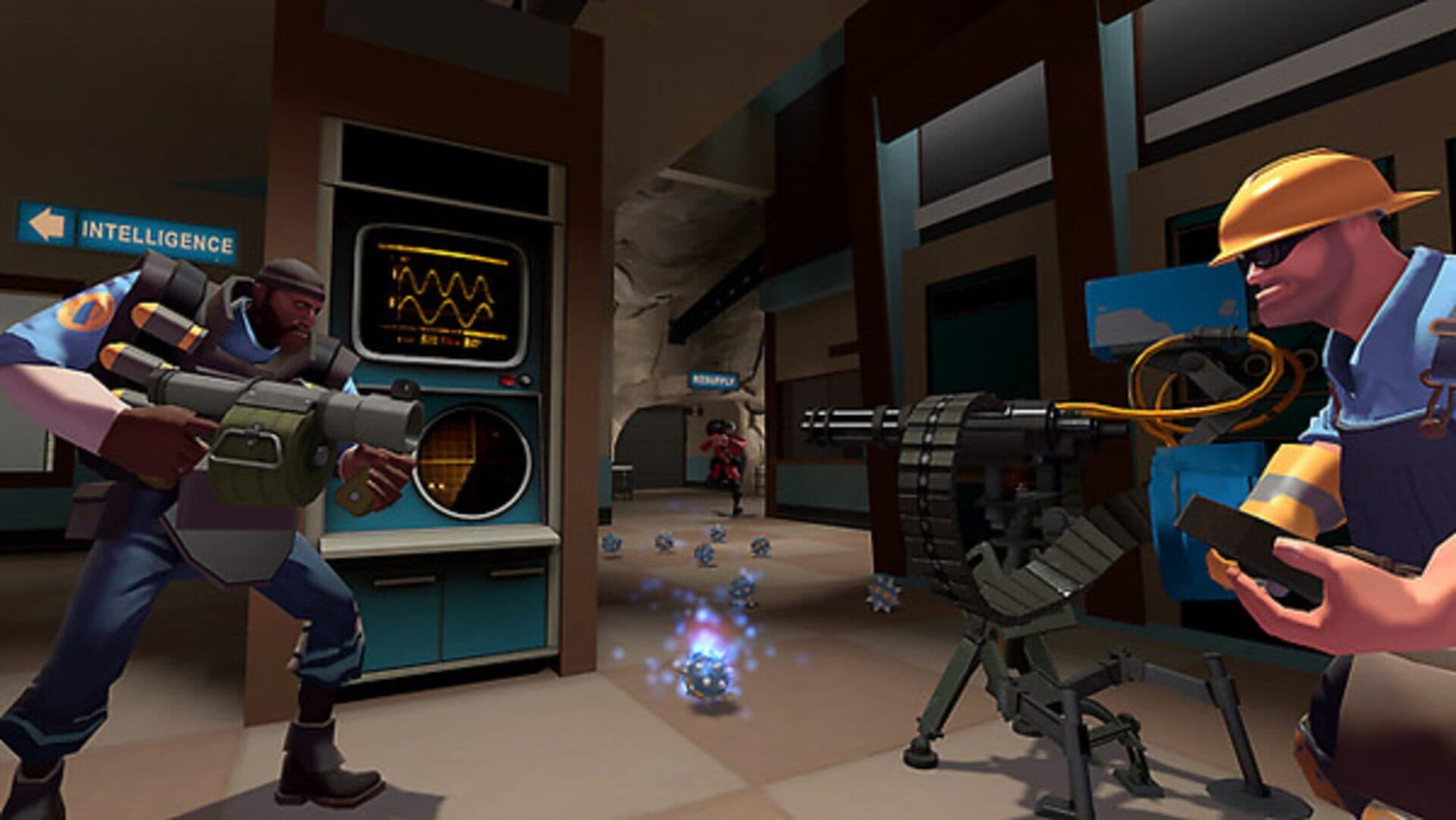
The game offers multiple competitive modes that showcase different aspects of team-based combat. Control Point maps require teams to capture and defend strategic locations, while Payload mode tasks one team with escorting a bomb cart through enemy territory. King of the Hill creates intense battles for single capture points, and Capture the Flag emphasizes mobility and coordination.
Team Fortress 2 content image
Server browser functionality allows players to find communities that match their preferred playstyle, from casual public servers to competitive leagues. The game supports both official Valve servers and community-hosted alternatives, providing options for different skill levels and rule variations.
Custom maps and modifications extend the game's longevity through community-created content. Popular community maps often receive official adoption, demonstrating the strong relationship between developers and players.
Technical Performance and Platform Features
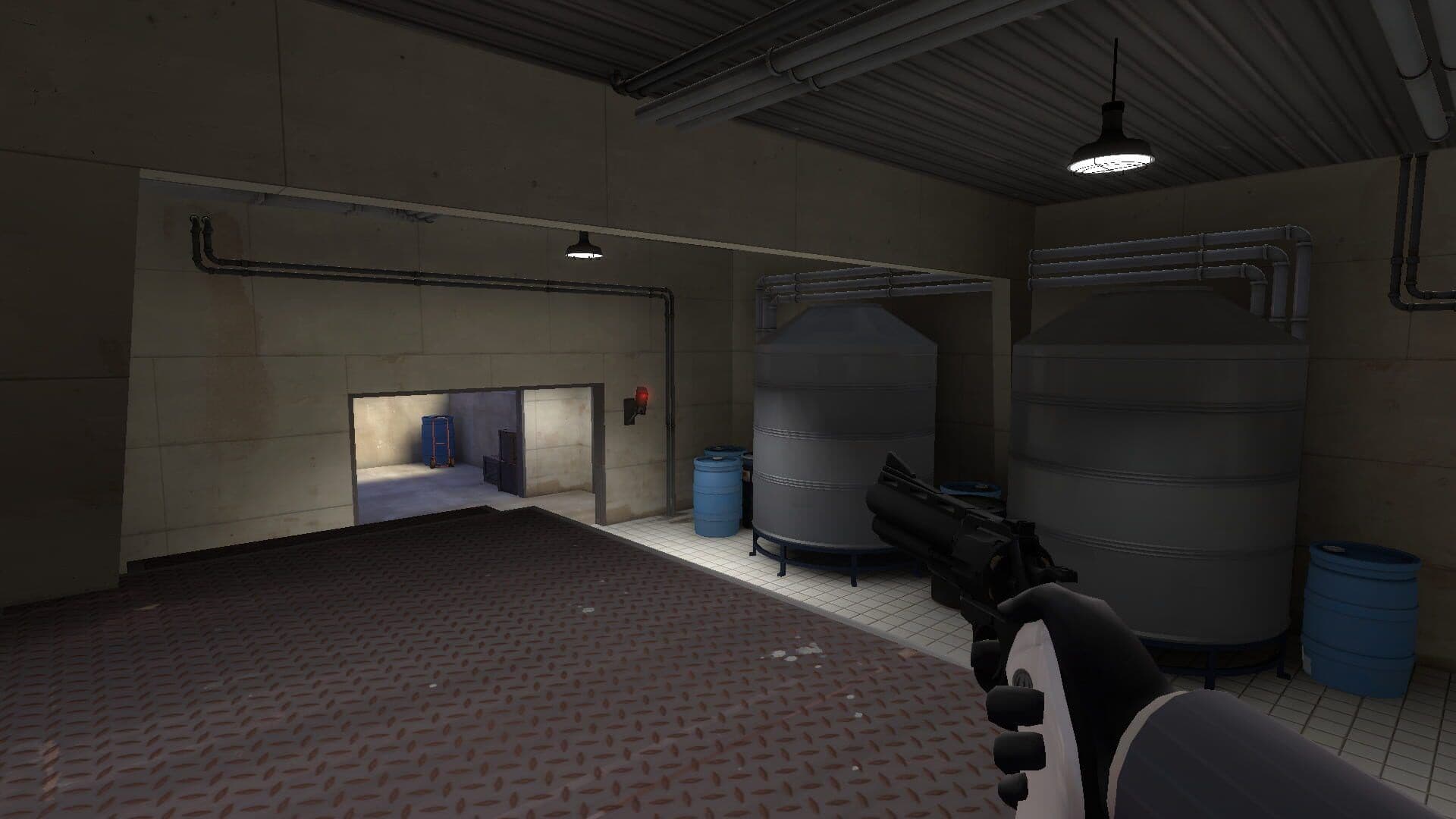
Team Fortress 2 runs on Valve's Source engine, delivering smooth performance across a wide range of hardware configurations. The game's optimization ensures consistent frame rates even during intense 24-player battles, while maintaining visual quality through efficient rendering techniques.
Team Fortress 2 content image
Cross-platform availability on Windows, macOS, Xbox, and PlayStation systems ensures broad accessibility, though PC versions receive the most frequent updates and community content. Steam Workshop integration streamlines the process of downloading and managing custom content.
The game's netcode handles latency compensation effectively, providing responsive gameplay even on higher-ping connections. Anti-cheat systems work continuously to maintain fair play across official servers.
Conclusion
Team Fortress 2 remains a masterclass in multiplayer game design, proving that strategic depth and accessibility can coexist within the same shooter framework. The nine-class system creates endless tactical possibilities while the distinctive art style and personality-driven characters ensure the experience feels fresh match after match. Whether engaging in casual skirmishes or competitive tournaments, players discover a team-based combat game that rewards both individual skill development and collaborative strategy.