
Starting your Path of Exile 2 journey feels overwhelming when staring at the character creation screen. You're not just picking a class, you are choosing your entire gameplay experience. Understanding how base classes connect to ascendancies will transform your early game from confusion into confident progression. This guide breaks down every class choice with a beginner-focused tier system that prioritizes accessibility over raw power.
Understanding Base Class vs. Ascendancy
Path of Exile 2 operates on a unique two-layer class structure that newcomers often misunderstand. Your initial character selection serves two critical functions that shape your entire playthrough.
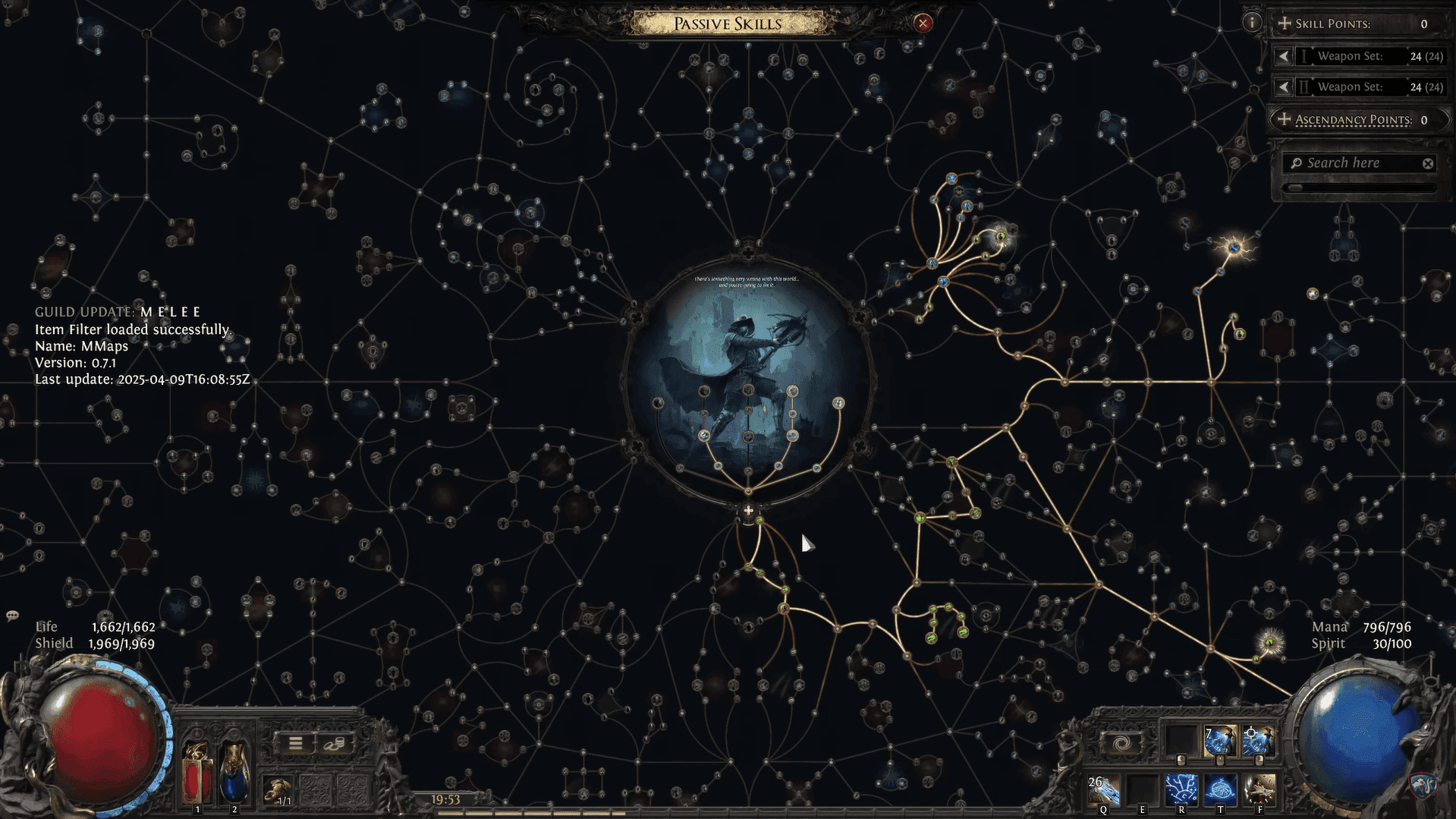
First, your base class determines your starting position on the massive passive skill tree. This shared tree remains accessible to every class, meaning no permanent lockouts exist for passive nodes. However, your starting location significantly impacts how many skill points you'll invest reaching specific tree regions.
Second, your base class unlocks access to specialized ascendancy options during Act 2 of the campaign. Think of ascendancies as your true class identity, focused specializations that excel at specific archetypes and playstyles.
important
While you can respec your ascendancy choice with effort, your base class selection remains permanent. Switching from Ranger to Witch requires leveling an entirely new character.
Which Class Should I Pick?
Your ascendancy choice matters far more than your base class for determining effectiveness. Every class can technically use any skill or equipment, but ascendancies provide the specialized nodes that make specific builds truly shine.
Most base classes offer two ascendancy options, with some providing three. The full roster will expand to three ascendancies per class when Path of Exile 2 exits early access.
tip
Focus on choosing an archetype first, such as a lightning spellcaster, bow ranger, or melee warrior, then select the class that best supports that vision.
S Tier
Deadeye (Ranger)
Deadeye excels at everything projectile-related while maintaining exceptional mobility. Her ascendancy nodes grant substantial movement speed and action speed that's easy to maintain throughout combat. The built-in protection against one-shot kills addresses a common beginner struggle.
Key strengths include generic projectile damage boosts and straightforward power scaling. If you envision yourself as a fast-moving archer, Deadeye delivers exactly that fantasy with minimal learning curve.
Stormweaver (Witch)
The Stormweaver represents pure spellcasting excellence. Her nodes provide essential cast speed, critical strike chance, and the ability to trigger additional spells automatically. This ascendancy particularly favors lightning spells, though fire damage historically underperforms compared to other elements.
Invoker (Monk)
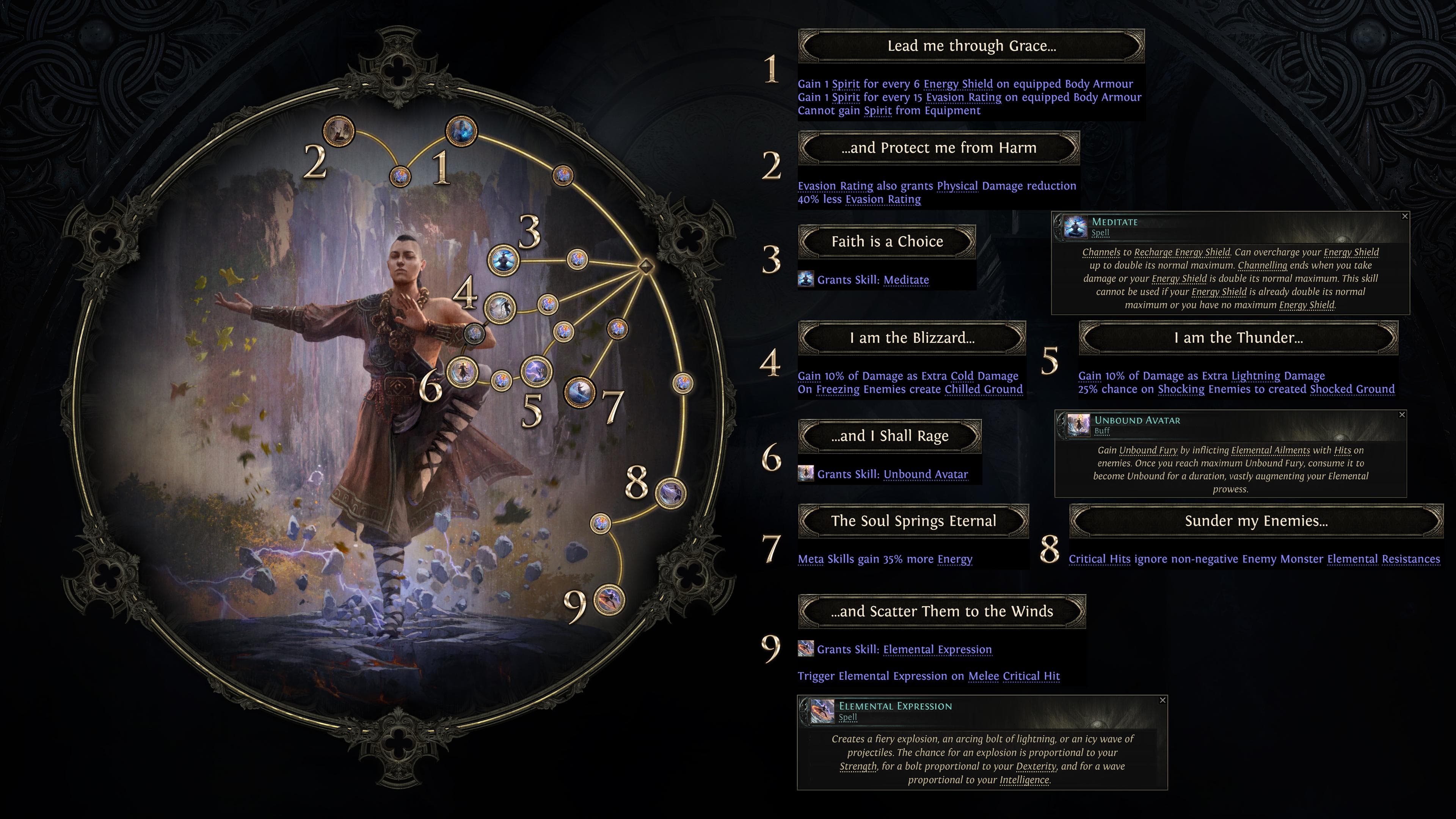
Invoker specializes in staff-based combat, dealing primarily cold and lightning damage. Version 0.3 introduces the Hollow Palm Technique keystone, allowing staff skills without wielding a staff—opening exciting unarmed combat possibilities.
The ascendancy provides excellent energy shield scaling and defensive options while maintaining strong generic damage increases.
Titan (Warrior)
Titan offers the most foolproof experience for new players. The signature Hulking Form passive increases all normal passive tree node effects by 50%, making it nearly impossible to build incorrectly. Every small passive point becomes significantly more valuable, creating natural synergy regardless of your specific build choices.
A-Tier
Amazon (Ranger)
Amazon converts accuracy rating into massive critical strike chance, making high crit builds accessible without extensive passive investment. While receiving nerfs in patch 0.3, the underlying mechanic remains powerful due to improved player accuracy and reduced monster evasion.
Gemling Legionnaire (Mercenary)
Gemling Legionnaire provides incredible generic power through skill gem interactions, but requires careful attention to build guides. Missing crucial gem combinations or support choices creates more dramatic power differences than other ascendancies.
warning
Gemling builds demand precise execution. Small oversights in gem selection can severely impact performance compared to S-tier choices.
Warbringer (Warrior)
Warbringer thrives in melee range through block mechanics and war cries. The Anvil's Weight passive allows any damage type to break armor, not just physical damage—expanding build possibilities significantly.
B-Tier
Tactician (Monk)
Recent patch 0.3 improvements make Tactician more beginner-friendly for minion and totem builds. If commanding armies appeals to you, Tactician provides the necessary tools with clearer power progression than previous versions.
Acolyte of Chayula (Monk)
Acolyte of Chayula focuses on chaos damage rather than elemental options. Patch 0.3 changes should improve accessibility, though the full impact remains uncertain for new players.
C-Tier
Blood Mage (Sorceress)
Blood Mage forces you to spend life points for skill usage—a dangerous proposition when learning enemy patterns and defensive mechanics. While the ascendancy provides tools to mitigate this drawback, new players already struggle with survival without additional health drains.
Pathfinder (Ranger)
Pathfinder lacks focused identity, offering primarily movement speed while attacking. Her flask and poison mechanics remain underdeveloped in early access, limiting build variety and effectiveness.
D-Tier
Lich (Sorceress)
Lich requires advanced itemization understanding and complex resource management. The power exists, but accessing it demands expertise that new players haven't developed yet.
Chronomancer (Sorceress)
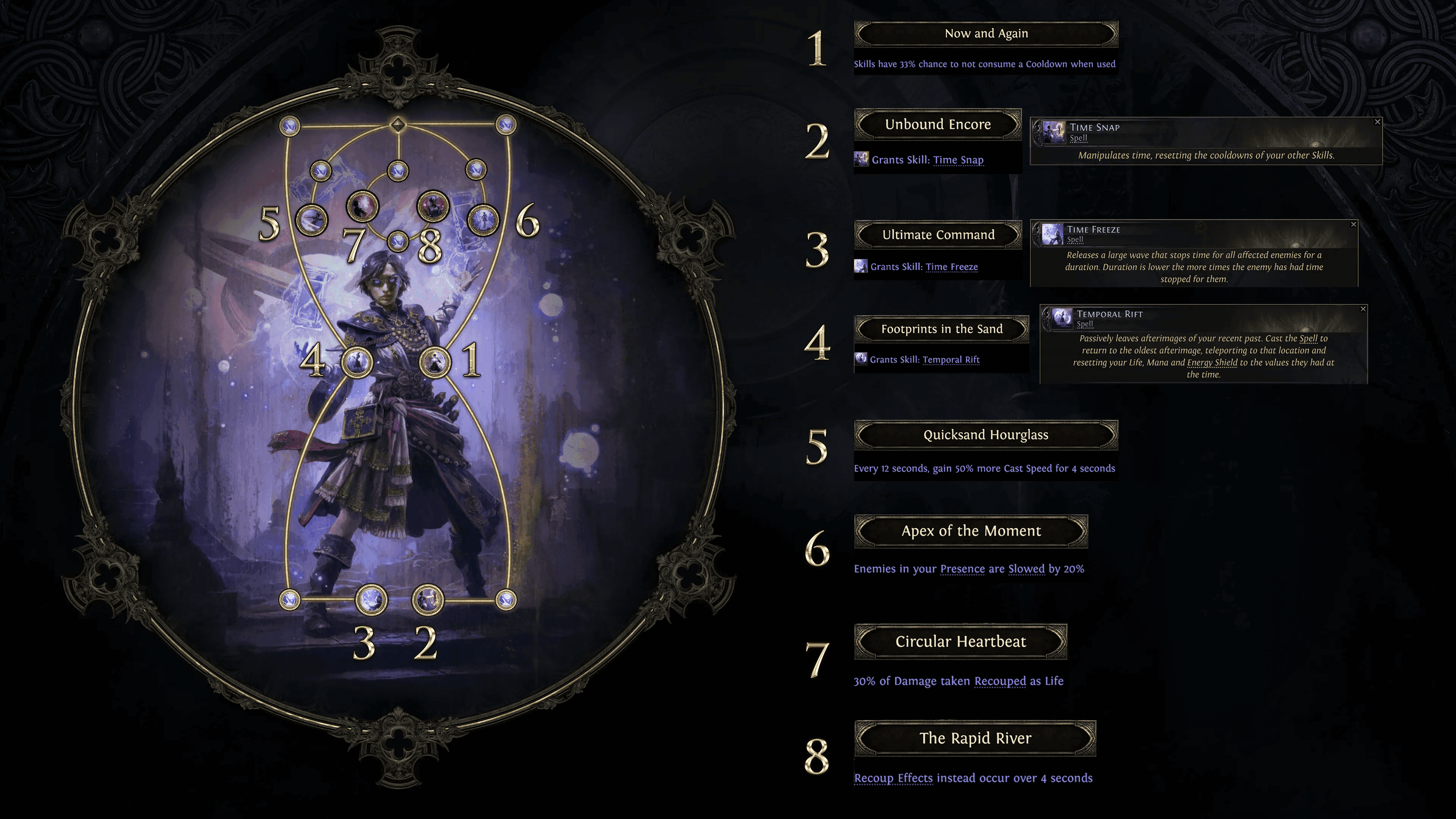
Chronomancer needs perfect ability rotation timing and comprehensive skill system knowledge. The margin for error remains extremely small, making this unsuitable for learning the game's fundamentals.
important
D-tier rankings reflect beginner accessibility, not overall power. These ascendancies can be incredibly strong in experienced hands.