
Microsoft has rolled out another major update to Xbox Game Pass, marking its third major change in two years. According to SuperJoost, the update brings a clearer sign that the company is still refining its long-term vision for gaming subscriptions. The new pricing structure, which includes a $30-per-month Ultimate tier featuring Call of Duty: Black Ops 6, highlights an ongoing attempt to balance growth with sustainability.
Speaking after the Activision Blizzard acquisition, CEO Satya Nadella emphasized Microsoft’s plan to become a “fantastic publisher” available across every platform - consoles, PCs, mobile devices, and cloud gaming. This approach suggests the company is steering away from its console-first roots, aiming instead to make Xbox a service that can be accessed anywhere.
Why Xbox Game Pass Prices Are Changing
The most noticeable change in the new plan is the steep price jump for the Game Pass Ultimate tier, which rises from $19.99 to $30 per month. That’s a 50 percent increase and a sign that Microsoft is addressing some underlying financial challenges.
According to reports from Bloomberg and others, premium titles offered through Game Pass have reduced direct game sales, creating a gap between usage and profitability. The service’s previous flat-rate structure allowed heavy players - those who download large games or stream frequently - to consume far more than they paid for, creating what one former Xbox employee called “bad optics.”
This latest pricing adjustment aims to fix that imbalance. The new Ultimate tier targets high-engagement players, while cheaper, ad-supported plans are expected to follow for lighter or cloud-only users. Essentially, Microsoft is turning Game Pass into a tiered ecosystem, charging more for those who use more and giving casual players lower-cost options.
Growth Now Relies on Big Game Releases
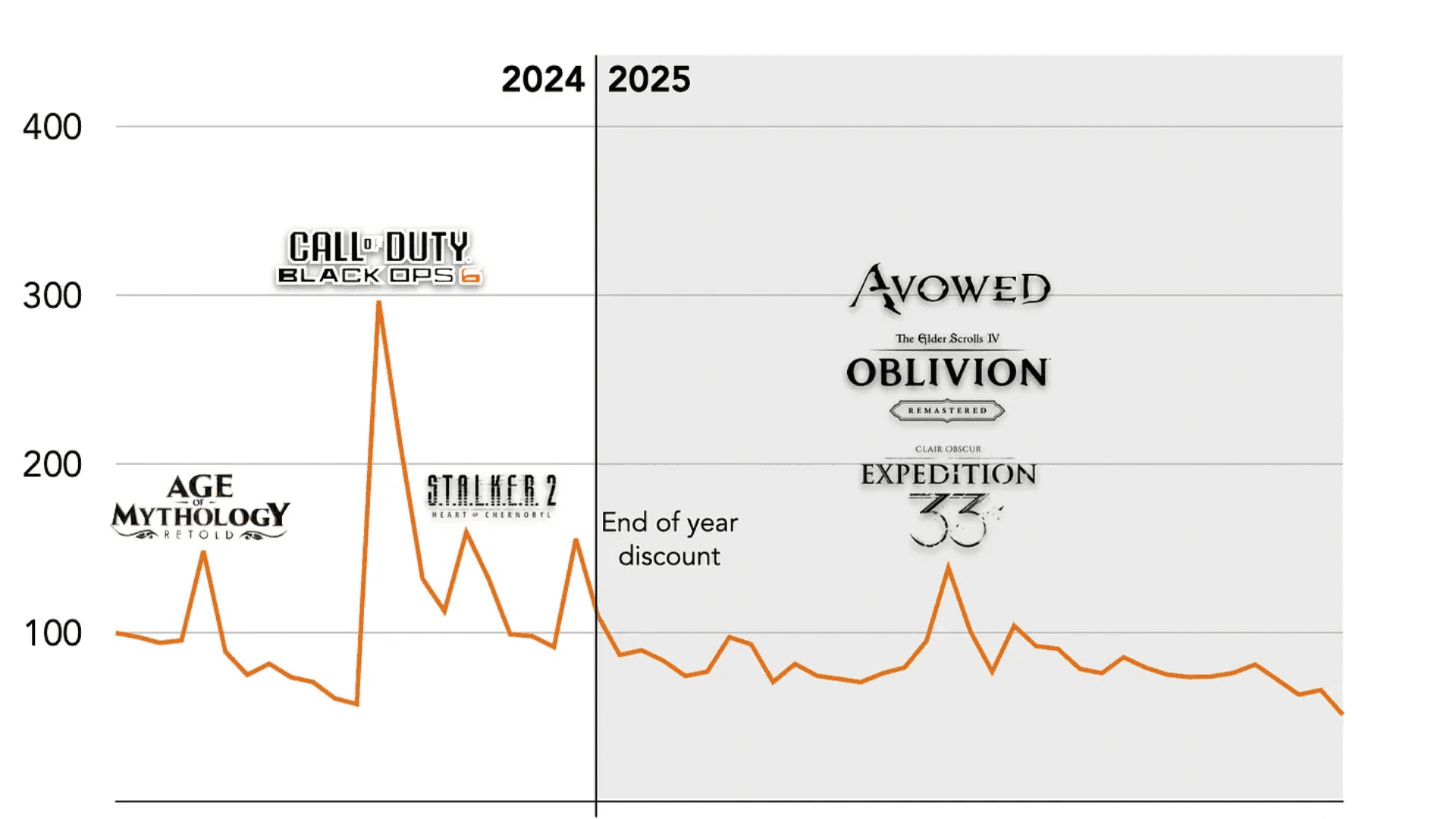
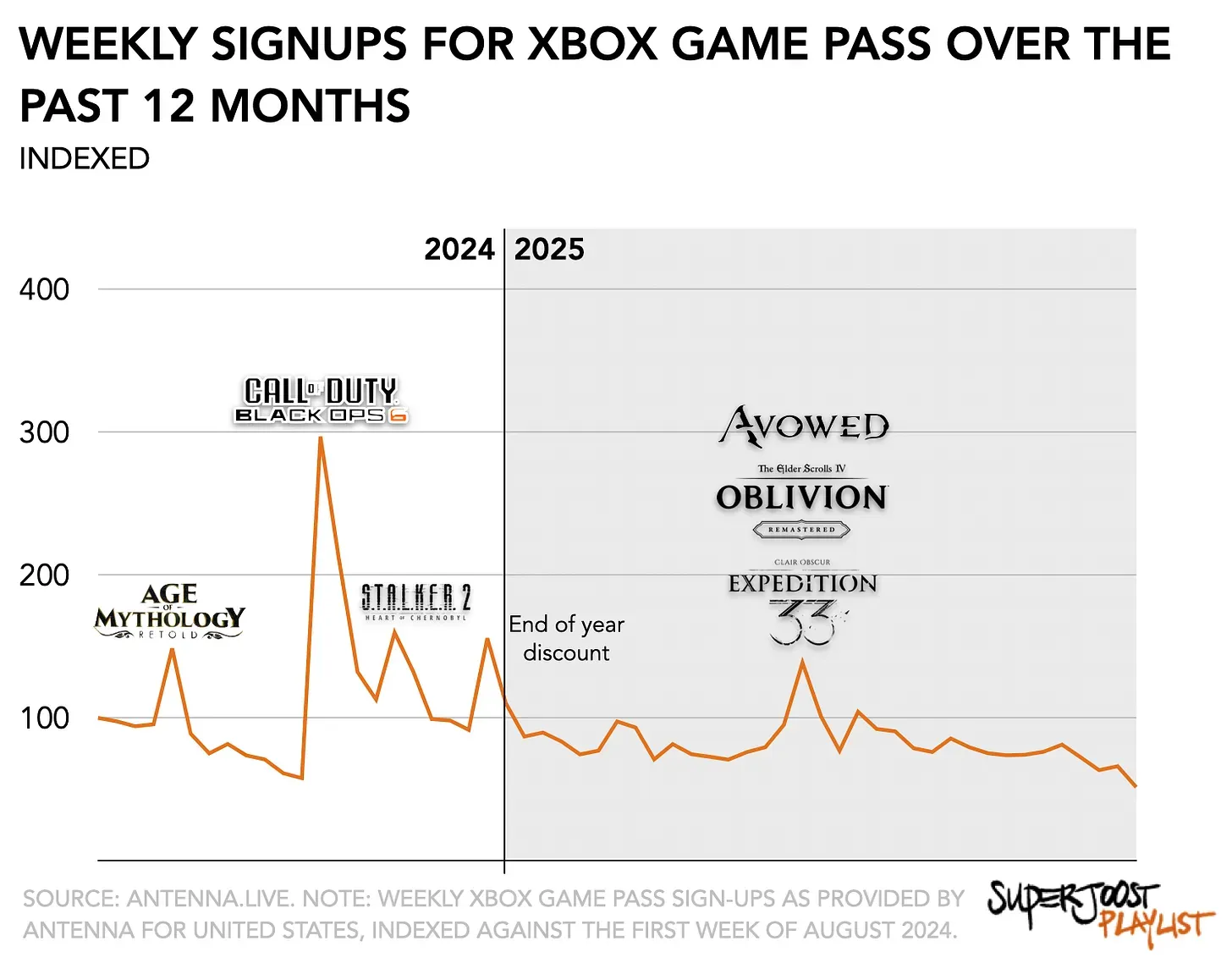
Subscription data from Antenna.live shows that Game Pass signups have become increasingly dependent on major game launches. The biggest spike in new subscribers came with the announcement of Call of Duty: Black Ops 6 in late 2024, which saw a more than threefold increase compared to average weekly numbers.
Smaller surges were recorded around titles like Age of Mythology Retold, Stalker 2, and Avowed. However, between these releases, new subscriptions consistently dropped back to normal levels. The trend shows that content, not the subscription model itself, is what drives engagement.
This pattern helps explain why Microsoft is focusing on a multi-tier strategy. Player habits vary widely, and the company is trying to match its pricing structure to those differences rather than relying solely on headline releases to fuel growth.
What Research Says About Gaming Subscriptions
Several studies shed light on why Microsoft is pushing toward segmented pricing. Research from the University of Washington found that when Game Pass introduced differentiated tiers, overall player value increased by 16 percent. But when all content was bundled together in a single, “all-access” plan, that value dropped by 38 percent. In short, not all players want or need everything, and one-size-fits-all subscriptions often lead to dissatisfaction among casual users.
A separate Erasmus University study from 2025 looked at both Xbox Game Pass and PlayStation Plus. The findings showed that subscriptions did not hurt traditional game sales. Instead, they boosted hardware revenue - by 66 percent for Xbox and 122 percent for PlayStation - while also improving the average quality of games available on each platform.
These results contrast with the movie and music industries, where streaming subscriptions often reduce unit sales. In gaming, subscriptions may actually strengthen the ecosystem when designed around player behavior and varied engagement.
The Console Is No Longer the Center of Xbox Strategy
Microsoft’s recent decisions point to a major shift in priorities. Hardware is no longer the centerpiece of the Xbox business. The Series X has seen its retail price increase by roughly 30 percent since launch, and Microsoft has stopped relying on console sales as a primary growth driver.
The company is also expanding beyond its own hardware. Xbox is partnering with ASUS for handheld devices and with Samsung to bring Game Pass directly to smart TVs. It has even embraced third-party technology, such as Epic Games’ Unreal Engine, in place of proprietary tools for some major releases.
Meanwhile, competitors like Amazon are pursuing a different direction. Amazon’s GameNight, for instance, focuses on accessible, low-cost social games. This contrast highlights two distinct visions for gaming’s future: Microsoft’s emphasis on premium subscriptions and big releases versus a casual, low-barrier approach from other tech firms.
The Future of Xbox Game Pass
The evolution of Xbox Game Pass reflects Microsoft’s transition from a “growth-at-all-costs” mindset to a focus on profitability and sustainability. By introducing tiered pricing, the company is aligning cost with player usage and reducing the strain on its infrastructure.
While the changes may frustrate some subscribers, they represent an effort to make the service viable in the long term. Microsoft’s goal appears to be transforming Game Pass into a stable, scalable model that can thrive across multiple devices and platforms.
If successful, this restructuring could set a new standard for how gaming subscriptions operate - balancing accessibility, profitability, and player satisfaction in a way that streaming video and music services have struggled to achieve.
Source: SuperJoost
Frequently Asked Questions (FAQs)
What is the new price for Xbox Game Pass Ultimate?
The Ultimate tier now costs $30 per month, up from $19.99. It includes access to Call of Duty: Black Ops 6 and bundled services like Ubisoft+ Classics and Fortnite Crew.
Why did Microsoft raise the price of Game Pass?
Microsoft’s new pricing reflects the high infrastructure costs of supporting heavy users who frequently stream or download large games. The company is segmenting plans to better match pricing with player usage.
Are cheaper Game Pass options coming?
Yes. Microsoft has confirmed that ad-supported and lower-cost tiers are in development for casual and cloud-focused players.
Did Game Pass affect traditional game sales?
Studies suggest mixed results. Some individual game sales declined, but overall platform revenue - including hardware and subscription income - rose after Game Pass launched.
Is Xbox still focused on consoles?
Not entirely. While hardware remains part of its strategy, Xbox is expanding beyond consoles through partnerships with device makers and smart TV integrations, signaling a shift toward a more platform-agnostic future.
Will Game Pass continue to add new games on day one?
Microsoft has not indicated any plans to change this approach. However, future releases may be divided among different tiers based on pricing and content agreements.