
After several years of economic instability, the video game industry is heading into 2026 with pricing firmly in focus. The $70 recommended retail price for AAA games, once considered controversial, has now been broadly accepted across PlayStation, Xbox, and Nintendo platforms. While that shift initially felt significant, analysts largely view it as a baseline rather than a peak, with development costs and hardware pricing continuing to rise.
Industry observers point to inflation, tariff uncertainty, and growing production budgets as key forces shaping the market. Taken together, these factors suggest that price stability at higher levels may be more realistic than any meaningful reversal, even as publishers remain cautious about how far they push consumer tolerance.
Why $70 Became the New Baseline
Several analysts describe the $70 price point as a psychological threshold that has now been normalized. According to Alinea Analytics’ Rhys Elliott, premium releases over recent years have reinforced this standard, making it easier for publishers to justify higher upfront costs for large-scale games. Sony, Microsoft, and Nintendo have all contributed to this shift, creating a unified expectation across platforms.
Ampere Analysis’ Piers Harding-Rolls does not expect a universal increase beyond $70 in 2026, but he does see room for flexibility. In specific cases, particularly for large franchises with broad appeal, $80 pricing is increasingly viable. This is not expected to apply across the board, but rather to select releases positioned as major events.
Kantan Games founder Dr Serkan Toto frames the situation as part of a broader industry change. In his view, the era of steadily falling prices, for both hardware and software, has largely ended. Instead, prices are holding steady at higher levels for longer periods, reflecting ongoing cost pressures rather than short-term market conditions.
Monetisation Continues to Shift Beyond the Box Price
While base game pricing draws the most attention, analysts emphasize that much of the industry’s revenue growth comes from in-game monetisation. Harding-Rolls notes that in-app purchases and live-service spending now account for the majority of total market revenue. As a result, publishers may focus less on increasing upfront prices and more on adjusting digital bundles and optional content.
Incremental changes to in-game pricing are often easier to implement without provoking strong consumer backlash. This approach allows publishers to respond to inflation and rising costs while maintaining the perception of stable base prices, a balance that is likely to continue through 2026.
Nintendo’s Pricing Moves and Their Wider Influence
Nintendo’s decision to price its Switch 2 launch title Mario Kart World at $80 became one of the most closely watched pricing decisions of 2025. While it sparked debate among players, analysts largely agree it was consistent with the broader economic climate and Nintendo’s unique market position.
Video Game Insights’ Vic Bassey describes the move as a calculated use of strong demand, driven by anticipation for new hardware and one of Nintendo’s most reliable franchises. Early sales data suggested that the higher price did not significantly harm performance, with Mario Kart World outpacing Mario Kart 8 during its first months on sale.
This outcome reinforces the idea that certain first-party franchises can sustain higher prices due to long-term brand loyalty. Analysts expect future entries in major Nintendo series, including Mario and The Legend of Zelda, to reflect similar pricing strategies.
AAA Publishers and the Path to $80 Games
Looking ahead, Elliott expects other major publishers to follow a similar path, particularly as the next generation of consoles becomes established. Once $80 pricing is normalized by several high-profile releases, it may become an aspirational tier for non-live-service AAA games seeking to recoup increasingly large investments.
That said, analysts stress that pricing decisions will remain case-specific. Not every AAA release will command a premium, and publishers will continue to weigh development costs against competitive pressure, discounting trends, and consumer sentiment.
GTA 6 and the Reality of a $100 Game
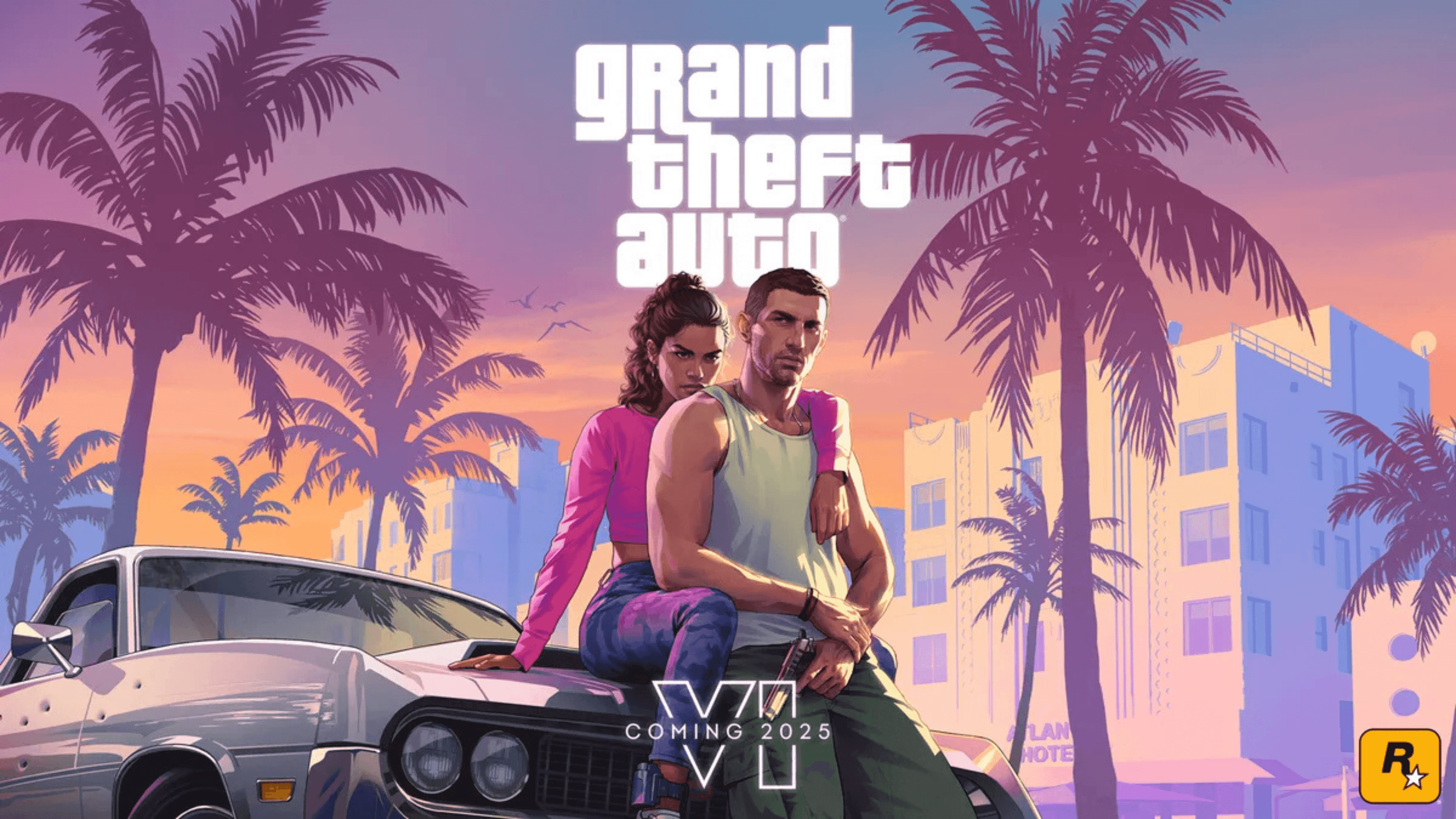
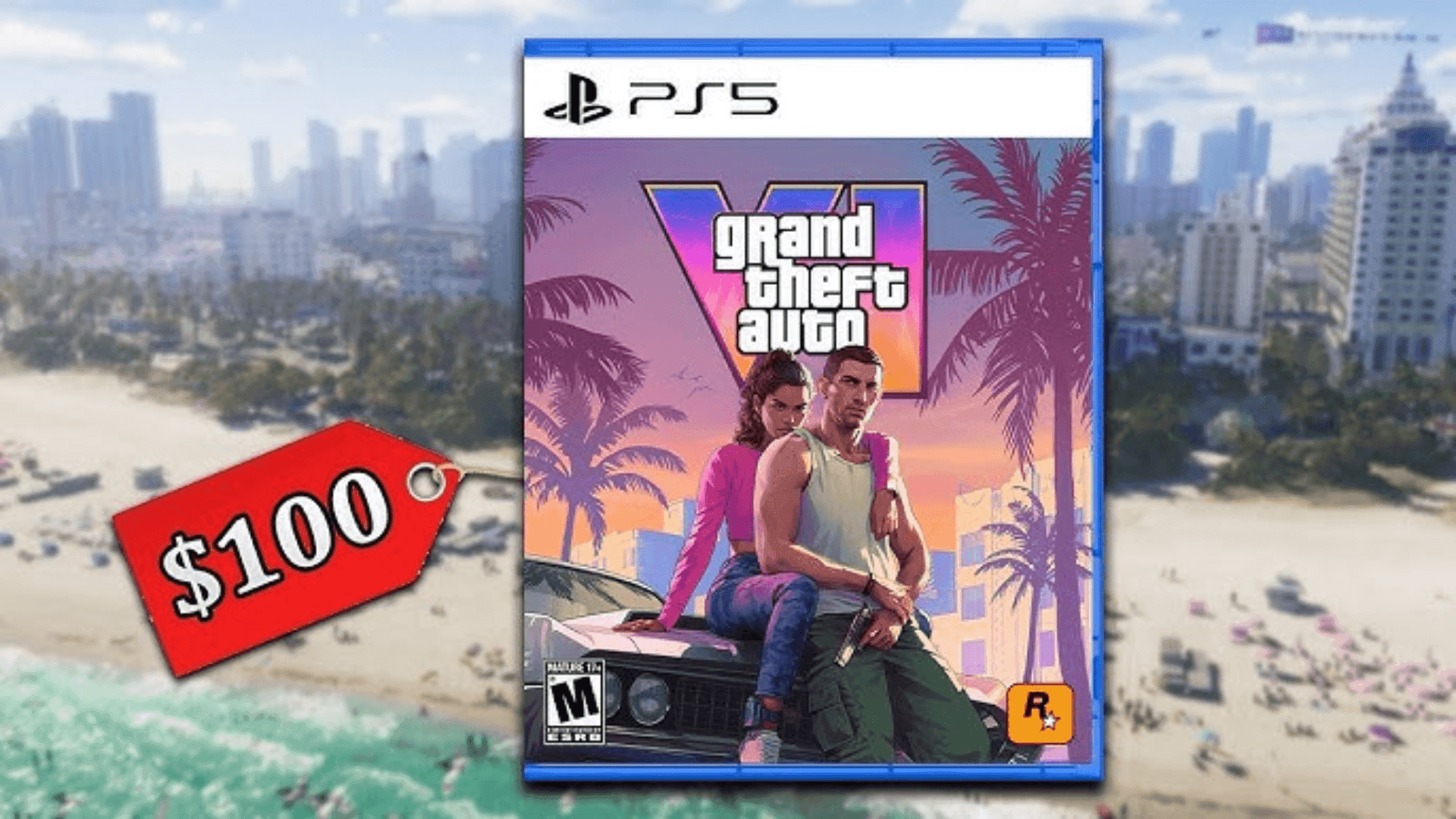
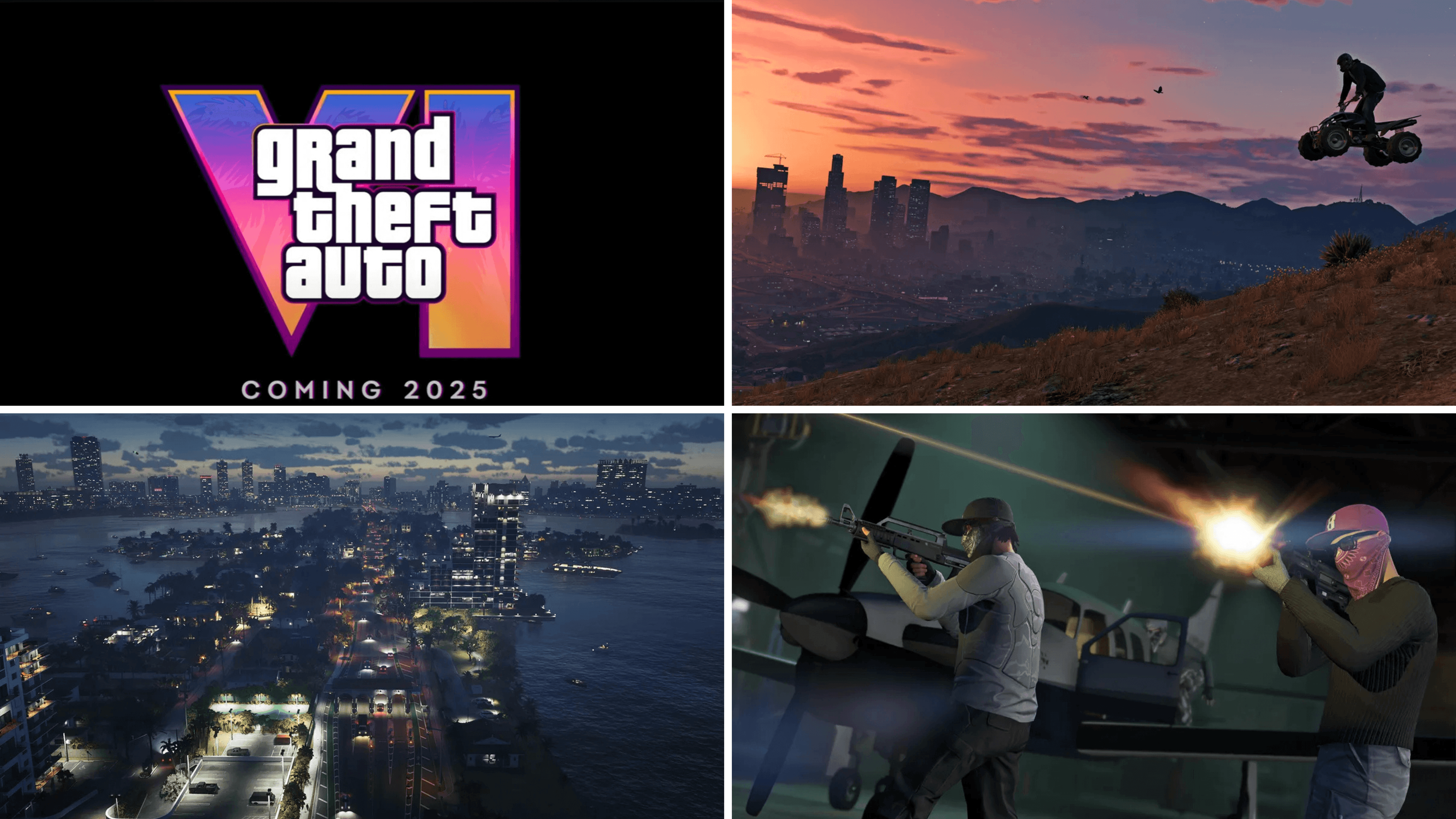
No upcoming release has generated more pricing speculation than Grand Theft Auto 6, currently slated for November 2026. Some industry voices have suggested the game could debut at $100, a price point that would mark a significant escalation for a standard edition.
Most analysts consider that scenario unlikely. Toto and Harding-Rolls expect the base version of GTA 6 to land between $70 and $80, with higher-priced deluxe editions and digital bundles pushing well beyond $100. Bassey agrees that if any game could test that boundary, it would be GTA 6, but he questions whether the long-term trade-offs would justify such a move.
Elliott adds that Rockstar’s core business model relies heavily on GTA Online rather than initial box sales. Setting an aggressively high entry price could slow player migration from GTA 5 and limit the growth of its online ecosystem, ultimately undermining long-term revenue potential.
AA and Indie Games Take a Different Approach
While AAA pricing continues to climb, analysts expect AA and indie developers to hold firm at lower price points. Elliott argues that affordability remains a key competitive advantage, allowing these games to attract players seeking high-quality experiences without the financial commitment of premium releases.
Harding-Rolls highlights the breadth of choice available to players, from indie titles under $10 to mid-priced AA games in the $40 to $50 range. Combined with frequent discounting and the inclusion of games in subscription services, this diversity helps offset higher prices at the top end of the market.
Is There Any Chance Prices Will Drop?
A broad decline in video game prices appears unlikely in 2026. Toto points to recent increases in console and accessory pricing as evidence that downward adjustments are not part of current industry thinking. Elliott suggests that only a major shift in development economics or a severe global recession would create sustained pressure for lower prices.
Harding-Rolls does see potential for selective experimentation, especially if mid-priced successes encourage publishers to explore alternative strategies. Ultimately, Bassey believes consumer behavior will be decisive. If players push back against higher costs in meaningful ways, publishers may be forced to reconsider. Until then, higher prices look set to remain a defining feature of the market.
Source: Games Industry Biz
Frequently Asked Questions (FAQs)
Will video game prices increase in 2026?
Most analysts expect base AAA prices to remain around $70, with some high-profile games potentially moving to $80. A broad increase beyond that is considered unlikely.
Why are AAA games more expensive now?
Rising development costs, inflation, higher hardware prices, and economic uncertainty have all contributed to higher recommended retail prices.
Could GTA 6 really cost $100?
A $100 base price is seen as unlikely. Analysts expect the standard edition to fall between $70 and $80, with premium editions exceeding $100.
Are cheaper games still available?
Yes. AA and indie games continue to launch at lower price points, often between $10 and $50, with frequent discounts and subscription options.
Could video game prices ever go down again?
Analysts say this would likely require a major economic downturn or a significant shift in development costs and consumer behavior. For now, prices are expected to remain stable at higher levels.