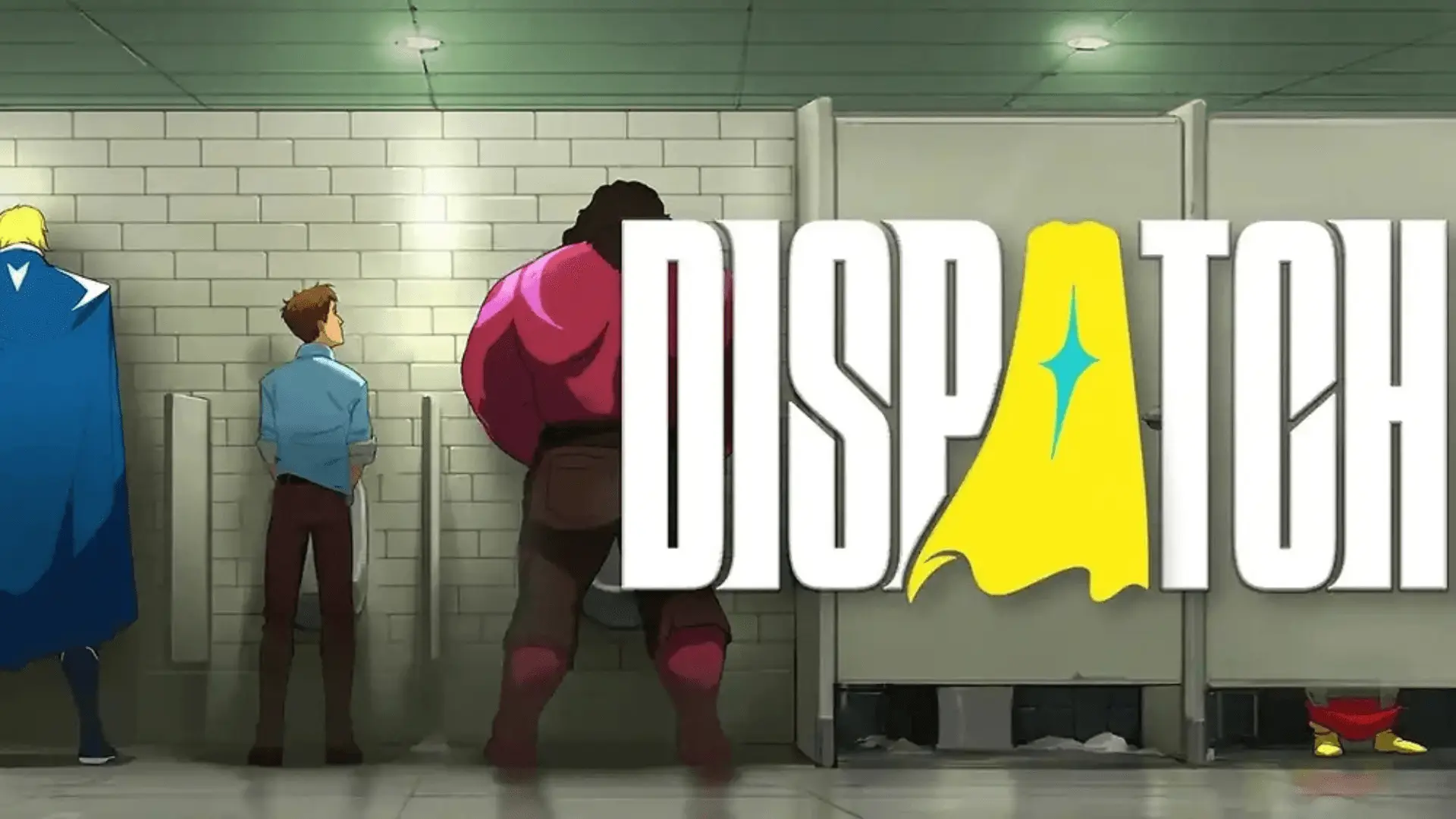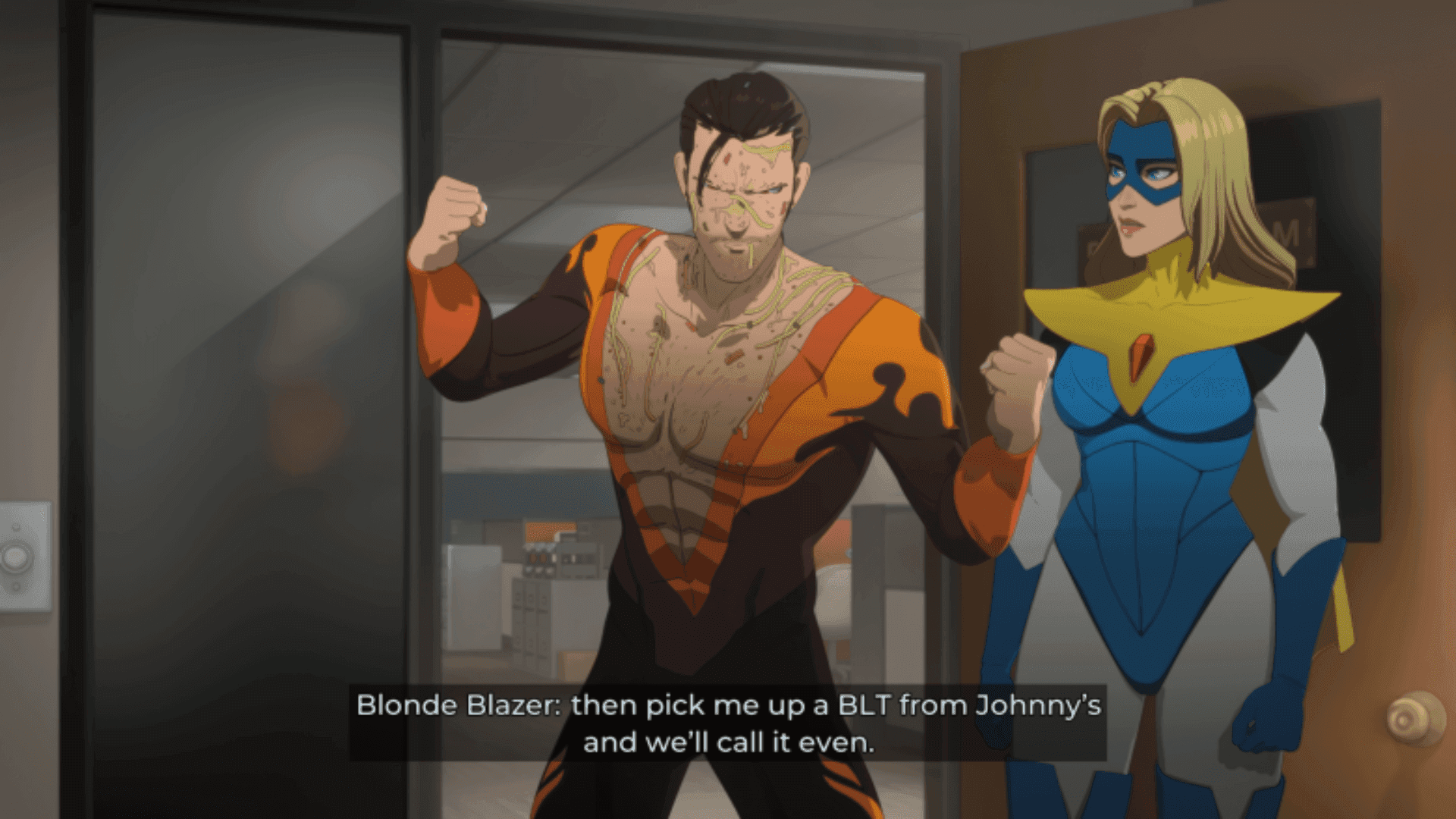

The dispatching minigame in Dispatch has emerged as a highlight of the game, offering a level of depth that could make it a standalone experience. Developed by ex-Telltale staff, the game blends interactive storytelling with tactical management, combining superhero narrative elements with a mini simulation system that requires careful decision-making.
Players take on the role of a dispatcher at the Superhero Dispatch Network, handling missions that range from everyday problems, like rescuing cats from trees, to high-pressure incidents such as hostage situations or reports of paranormal activity. The game’s world includes a diverse cast of characters, including aliens and demons, which adds an unpredictable element to each mission.
Balancing Story and Strategy
Dispatch maintains a storytelling approach reminiscent of Telltale titles, with choices that affect relationships and team composition. Players decide which heroes to assign to missions, which characters to include in their team, and how to handle interpersonal storylines. Unlike traditional point-and-click adventure games, the narrative is presented through high-quality animated sequences rather than exploration-based mechanics.
The dispatching segments serve as a management sim within the larger adventure framework. Each hero has unique stats, and missions provide hints about which abilities will be most effective. For instance, handling a haunted house call may require a combination of high Intellect and Charisma. Players must consider the current status of heroes, their abilities, and hidden synergy bonuses when assembling teams to maximize the chances of mission success.
Decision-Making and Mission Mechanics
Some missions also include choose-your-own-adventure style choices that only appear if specific heroes are assigned. These options can influence the outcome of the mission and the rewards received. Players must balance success probabilities, XP gains, and hero cooldowns, creating an ongoing tactical challenge. This combination of strategy and narrative keeps the gameplay engaging even outside of the main story.
Many players have noted that while the story of Dispatch is compelling, the dispatching minigame itself is highly engaging. The mission management system encourages experimentation with team composition and strategic planning, making it feel like a self-contained experience. There is a clear potential for a standalone version focused solely on dispatch gameplay, similar to management or simulation modes found in other narrative-driven games.
Hero Management and Strategic Planning
A key aspect of the minigame is balancing hero availability and selecting the right combination of abilities. Characters have distinct strengths, and some missions are more challenging than others, requiring creative use of their skills. Hidden stats, like team synergy, add another layer of complexity, rewarding players who experiment with different combinations and adapt to changing mission requirements.
Overall, the dispatching minigame in Dispatch successfully combines narrative depth, tactical decision-making, and strategic management. Its design allows it to appeal to both fans of story-driven adventures and players who enjoy simulation-style gameplay, making it a standout feature within the game.
Frequently Asked Questions (FAQs)
What is the dispatching minigame in Dispatch?
The dispatching minigame is a management-focused segment of Dispatch where players assign superheroes to missions based on their abilities and stats, balancing success rates, XP, and cooldowns.
Can the dispatching minigame be played separately from the story?
Currently, the minigame is integrated into the main story, but its depth and strategic gameplay suggest it could function as a standalone experience.
What types of missions are in Dispatch?
Missions vary from simple tasks like rescuing animals to high-stress situations such as hostage negotiations or supernatural investigations.
Do hero choices affect the story?
Yes. Players’ decisions influence team composition, mission success, character relationships, and story outcomes.
Are there RPG or simulation elements in the minigame?
Yes. Heroes have stats and hidden synergy bonuses that affect mission performance, creating a blend of tactical management and interactive storytelling.
Who developed Dispatch?
Dispatch was developed by a team that includes former Telltale staff, known for their work on narrative-driven adventure games.