
Former Nexon CEO Owen Mahoney has become one of the most closely watched voices in the video game business. After nearly a decade leading Nexon and years overseeing corporate development at EA, Mahoney is now using his platform to outline where he believes the industry is heading. In a recent conversation on The Game Business Show, he discussed the challenges facing AAA development, the rise of mid-sized teams like Embark Studios, and how AI may reshape the medium.
Reconsidering What Makes a Studio a Safe Bet
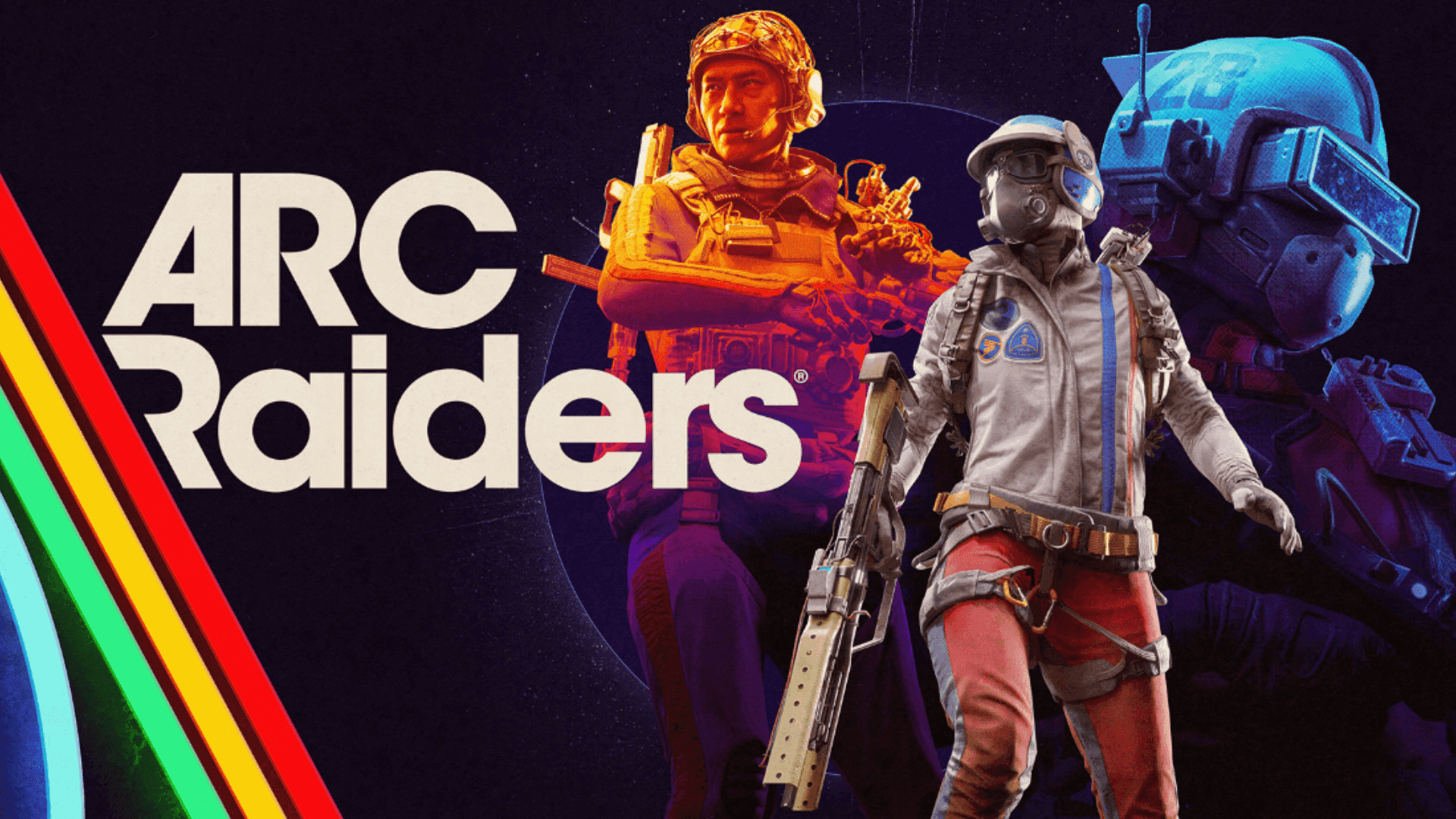
Mahoney’s decision to acquire Embark Studios was met with heavy skepticism from investors. At the time, the developer behind Arc Raiders had no shipped product, no revenue, and was still years from launch. Despite that, Mahoney said the choice was straightforward. He understood the team’s background, having helped lead EA’s acquisition of DICE years earlier, and believed the group’s process-driven approach to development would lead to long-term success.
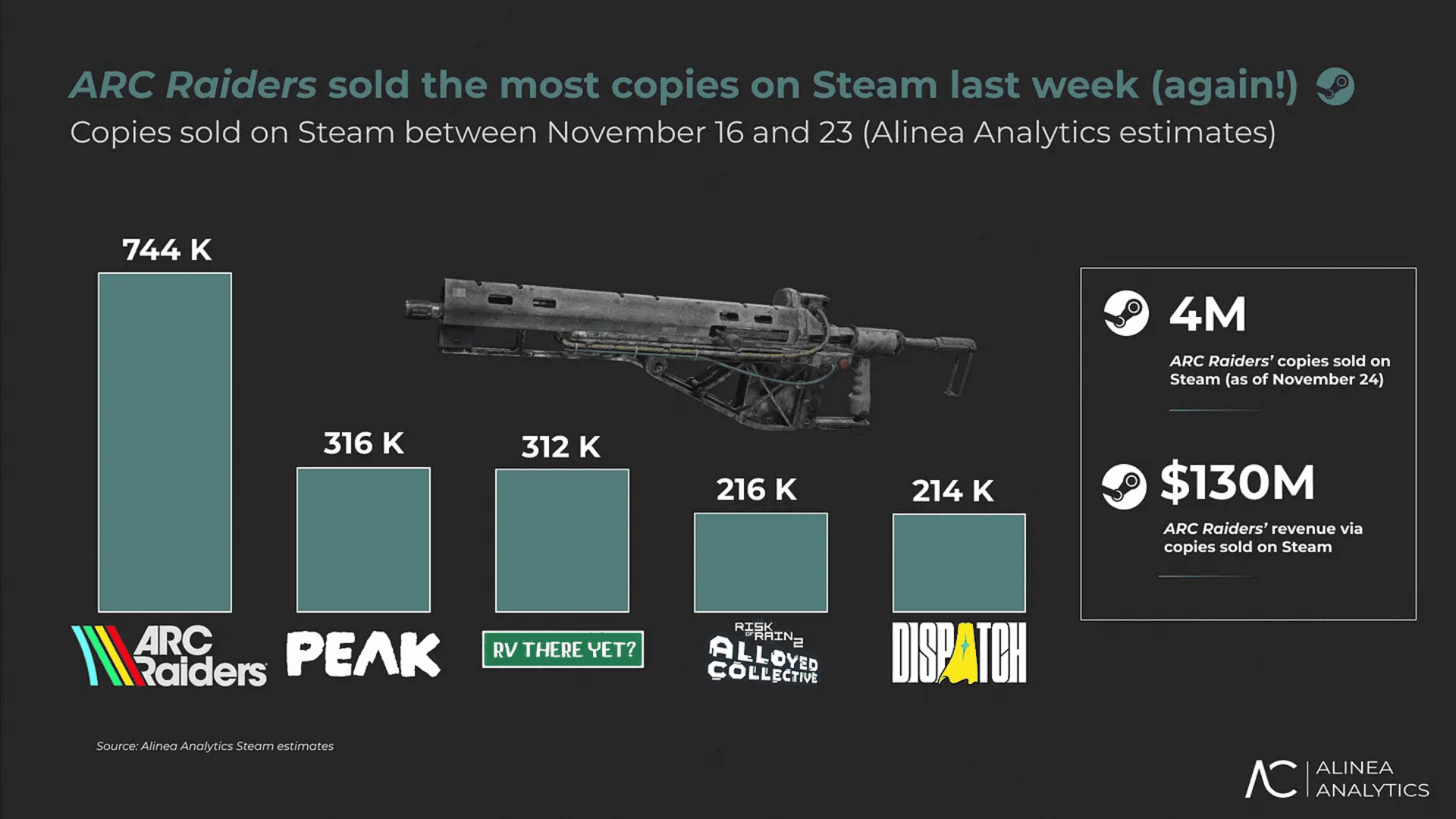
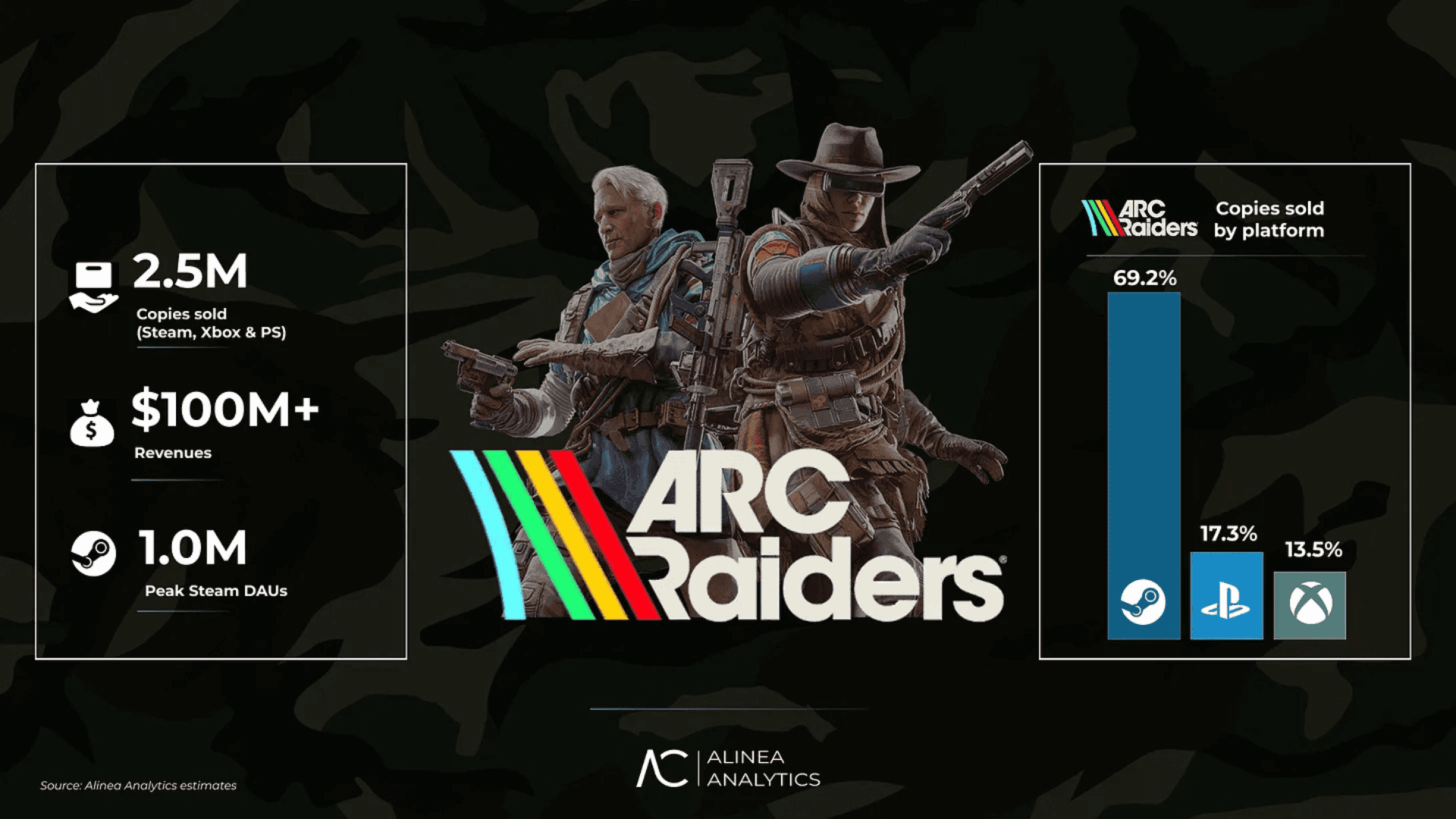
According to Mahoney, the resistance he faced revealed a larger problem with how the industry evaluates creative teams. He argued that many investors still rely on outdated mental models that focus on short-term profitability and past hits rather than whether a team has the structure and philosophy needed to produce something new. Embark’s eventual success with Arc Raiders, now Nexon’s biggest global launch, has become a clear example of how a different approach can pay off.
Why Mid-Sized Teams Are Finding Space to Succeed
Mahoney said Embark’s ability to restart projects and rebuild systems without collapsing under production overhead demonstrates a shift away from the large-scale structures typical of AAA studios. Embark invested its early time in tools and pipelines rather than hiring aggressively, a choice that allowed the team to pivot quickly when the original version of Arc Raiders failed to meet expectations.
He described game development as a systems-driven discipline where core gameplay must take precedence over asset production. Embark’s reliance on satellite-based world data rather than extensive handcrafted environments is one example of how technology can reduce friction and allow more iteration time. To Mahoney, this kind of approach marks a key difference between studios that can adapt and those weighed down by scale.
The Increasing Pressure Facing AAA Executives
Mahoney believes AAA development is under significant structural strain. He pointed to escalating budgets, which now routinely reach hundreds of millions of dollars, as a major factor in limiting creativity at large publishers. He said executives are often forced into risk-averse decisions because a single failed project can lead to board scrutiny or activist investor pressure.
In Mahoney’s view, this dynamic restricts experimentation and encourages reliance on known formulas. Meanwhile, many recent breakout hits, including Clair Obscur and REPO, have come from smaller teams working outside the constraints of traditional AAA production. He argued that the industry has reached a point where large-scale development models need a fundamental rewrite.
Funding Challenges and the Missing Middle Tier
Mahoney noted that while independent developers can sometimes find support through platforms like Roblox or through small-scale investment, many mid-sized teams face a lack of funding options. The long development cycles common in game production make it difficult for venture capital firms to participate, especially in cases where product-market fit might not be clear until months or years after launch.
This creates what Mahoney described as a difficult choice for aspiring developers: either work independently with limited resources or join large studios where roles may be narrowly scoped and creatively restrictive. He sees this shrinking middle ground as one of the industry’s most urgent problems.
AI’s Role in Reshaping Development
Despite his concerns about current AAA structures, Mahoney is optimistic about the future. He believes AI represents the next major technological wave, similar in importance to the rise of online gaming. While he acknowledged that AI can increase the volume of low-quality content, he argued that market forces consistently reject poorly made games. Instead, he expects AI to lower barriers to development, increase iteration speed, and support new forms of gameplay that broaden the audience for interactive entertainment.
Mahoney said these shifts could lead to significant industry expansion, projecting that the game market may triple in size within the next five to seven years. His view is that the medium is evolving, and studios that adapt to these technological changes will be best positioned for future growth.
Looking Ahead at a Transforming Industry
Mahoney’s analysis presents an industry at a turning point. While AAA development faces increasing financial pressure and operational rigidity, teams like Embark Studios are showing how different structures and philosophies can lead to success. At the same time, technological shifts such as AI may reshape development workflows and open doors for new types of studios. For Mahoney, the path forward depends on the ability of teams and publishers to rethink established assumptions and focus on systems, tools, and flexibility rather than scale alone.
Source: The Game Business Show
Frequently Asked Questions (FAQs)
What does Owen Mahoney believe is wrong with AAA development?
Mahoney argues that AAA development is structurally strained due to rising budgets, risk-averse decision-making, and pressure from public investors, which limits creativity and makes large projects increasingly difficult to greenlight.
Why was Embark Studios considered risky to investors?
Embark had no revenue, no shipped product, and was years from launch when Nexon moved to acquire it. Despite this, Mahoney believed in the team’s systems-focused approach and past experience.
How did Arc Raiders become a case study for modern development?
The game succeeded after Embark rebuilt its tools early, kept teams lean, and focused on core gameplay systems rather than asset-heavy production, illustrating a more adaptable development model.
Why does Mahoney think AI will help the industry grow?
He believes AI will speed up development, support new types of game experiences, and lower barriers for teams of all sizes, similar to how online gaming expanded the market years earlier.
What funding challenges do mid-sized studios face today?
Long development cycles and unclear early product-market fit make many traditional investors hesitant, leaving a gap between small indie support and large-scale AAA funding.
Does Mahoney think AAA games will disappear?
He does not predict their disappearance but believes the current production model is unsustainable without major structural changes.
How does Mahoney view web3 technologies in games?
While not a central focus of the interview, Mahoney’s broader commentary suggests that new technologies, including web3, will influence game development only if they improve gameplay and player experience.