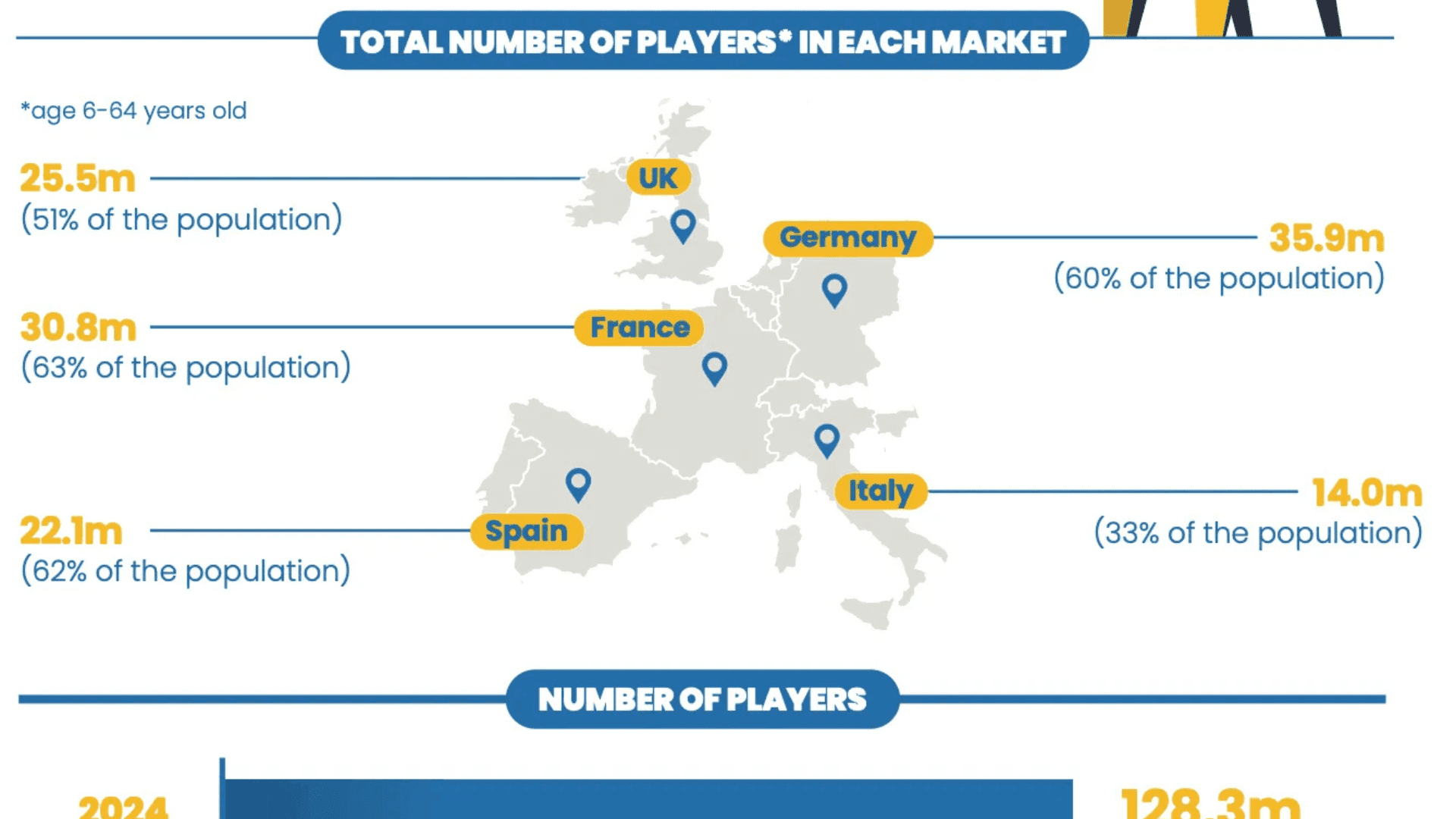
The UK games industry will be formally recognised in official economic data for the first time, following the introduction of new four-digit Standard Industrial Classification (SIC) codes for video games publishing and development. UKIE, the country’s games trade body, welcomed the change, noting that it will provide a clearer picture of the sector’s true size and economic value.
Previously, the games sector was grouped within broader software and IT classifications, making it difficult to measure the industry’s impact on the UK economy accurately. The updated SIC codes will also cover game-specific software activity and esports, reflecting the diverse ways the industry contributes to technology and creative sectors.
How the Change Came About
The introduction of dedicated SIC codes follows years of engagement from UKIE with the Department for Culture, Media and Sport, in collaboration with partners such as Creative PEC. As part of the SIC revision process, UKIE submitted evidence showing that the lack of detailed classifications had limited policymakers’ and investors’ understanding of the sector’s economic footprint.
The Office for National Statistics (ONS) reviewed 173 proposals from across government, business, trade organisations, and academia. Of these proposals, 85 have been accepted, with further discussions ongoing. UKIE highlighted that the updated classifications will support more accurate industry data, helping guide policy decisions and investment in the sector.
Implications for the UK Games Sector
The new SIC codes are expected to make it easier to track the growth of UK games development and publishing, as well as esports-related activity. By separating the sector from general software and IT categories, the change allows for a more detailed view of revenue, employment, and overall industry trends.
UKIE emphasised that the move represents an important step in recognising the UK games industry as both a creative and technology-driven sector. Improved data collection can help policymakers, investors, and researchers understand the scale and scope of the UK games industry, including its role in emerging areas like web3 and digital esports platforms.
Source: PocketGamer
Make sure to check out our articles about top games to play in 2026:
Best Nintendo Switch Games for 2026
Best First-Person Shooters for 2026
Best PlayStation Indie Games for 2026
Best Multiplayer Games for 2026
Most Anticipated Games of 2026
Top Game Releases for January 2026
Frequently Asked Questions (FAQs)
What are SIC codes and why are they important for the UK games industry?
SIC codes are a standard way of classifying economic activities in the UK. They allow government and industry to track the size, value, and growth of specific sectors. For the games industry, dedicated SIC codes mean more accurate economic data.
Which areas of the games industry will the new SIC codes cover?
The new codes will cover video games publishing, video games development, game-specific software activity, and esports-related work.
When will the new SIC codes come into effect?
The changes are part of the 2026 UK Standard Industrial Classification update. Ongoing discussions at the Office for National Statistics suggest that the codes will be applied gradually as part of official reporting.
How will this affect investment and policy decisions?
More detailed data on the UK games industry will allow policymakers and investors to make informed decisions, understanding the sector’s economic impact and growth potential more clearly.
Will the changes impact reporting for smaller game studios?
All companies involved in game development, publishing, and related activities will be classified under the new SIC codes, allowing for more precise reporting and analysis of even smaller studios’ contributions.