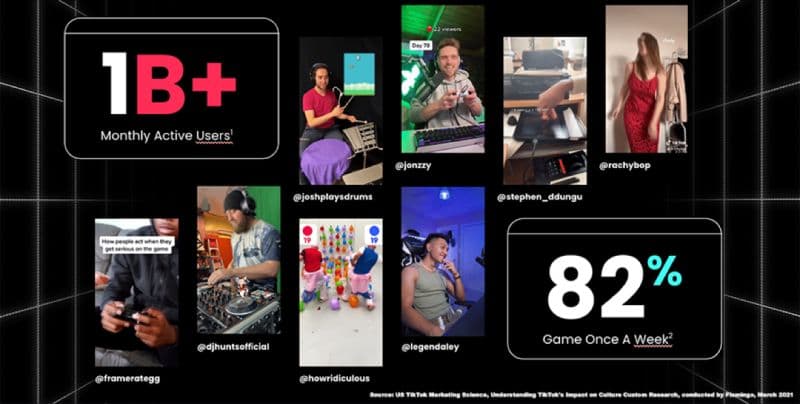
The way people consume digital content has changed dramatically in recent years. TikTok has emerged as the platform that defines modern attention spans, offering short, fast-paced videos that demand minimal commitment from users. This has created a new benchmark for engagement that many games, brands, and web3 projects are struggling to meet.
Where once gamers could spend hours exploring virtual worlds or brands could rely on consistent campaigns, today’s audience is conditioned to expect immediate gratification. Every scroll on TikTok delivers a small burst of content that keeps users engaged without requiring deep investment. This shift has created an environment where traditional engagement strategies are increasingly less effective.
TikTok Dominates Modern Attention Economy
Games Face New Challenges in Retaining Players
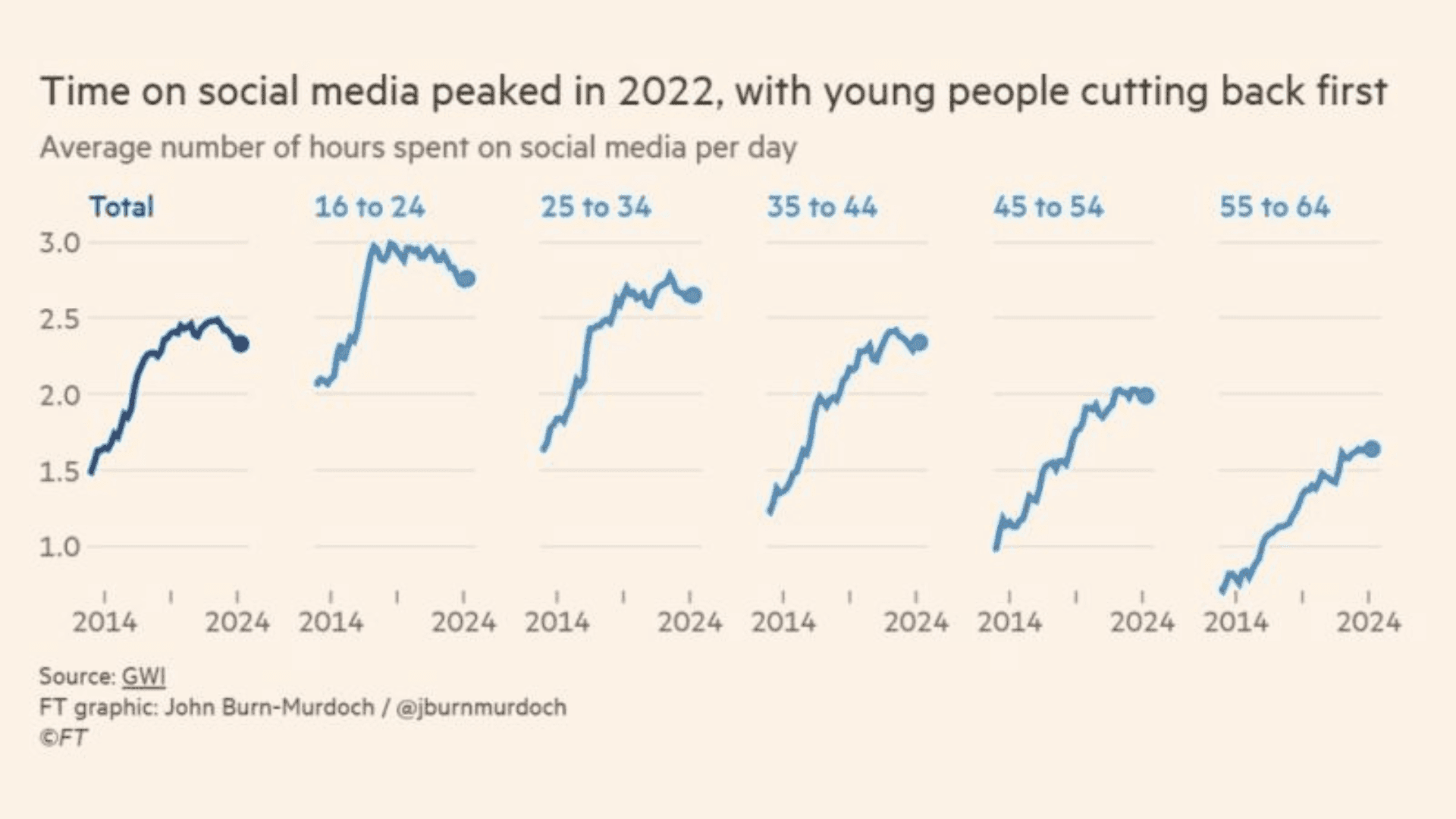
Game developers have long focused on immersion, storytelling, and player retention through structured content like quests, battle passes, and seasonal events. However, the rise of TikTok has changed how players distribute their attention. Players often split focus between multiple platforms, checking social media or other feeds while waiting for downloads or matchmaking.
Even well-received games struggle to maintain prolonged engagement when competing against platforms that offer instant rewards and minimal effort. While new game features attempt to replicate short-term dopamine loops, these mechanics can inadvertently contribute to player fatigue rather than building meaningful attachment.
TikTok Dominates Modern Attention Economy
TikTok’s Design Strategy and Its Impact
TikTok’s model differs from games and traditional brands because it prioritizes low-effort engagement over sustained participation. Users receive a continuous flow of content designed to provide immediate entertainment without requiring skill, commitment, or learning. Each video offers a sense of progression or emotional payoff, creating a feedback loop that encourages prolonged interaction.
This design has implications beyond social media. Brands and web3 projects attempting to replicate viral content often fail to achieve lasting impact because the short-term gratification model does not translate into deeper engagement or community loyalty.
TikTok Dominates Modern Attention Economy
Web3 Communities and Attention Retention
In web3, projects often emphasize community, ownership, and interactive engagement. Many incorporate features like quests, points, and token rewards to maintain user activity. However, these systems can mirror the same fleeting engagement patterns found on mainstream platforms. Users may participate briefly when rewards are offered but quickly shift focus to new opportunities.
Experts in the space have noted that retention should focus on creating a sense of belonging rather than solely on incentivized activity. Projects that encourage meaningful participation and identity within the community are more likely to maintain engagement over time, even when novelty fades.
We Drove 11k+ Gamers to Riftstorm’s Steam Page
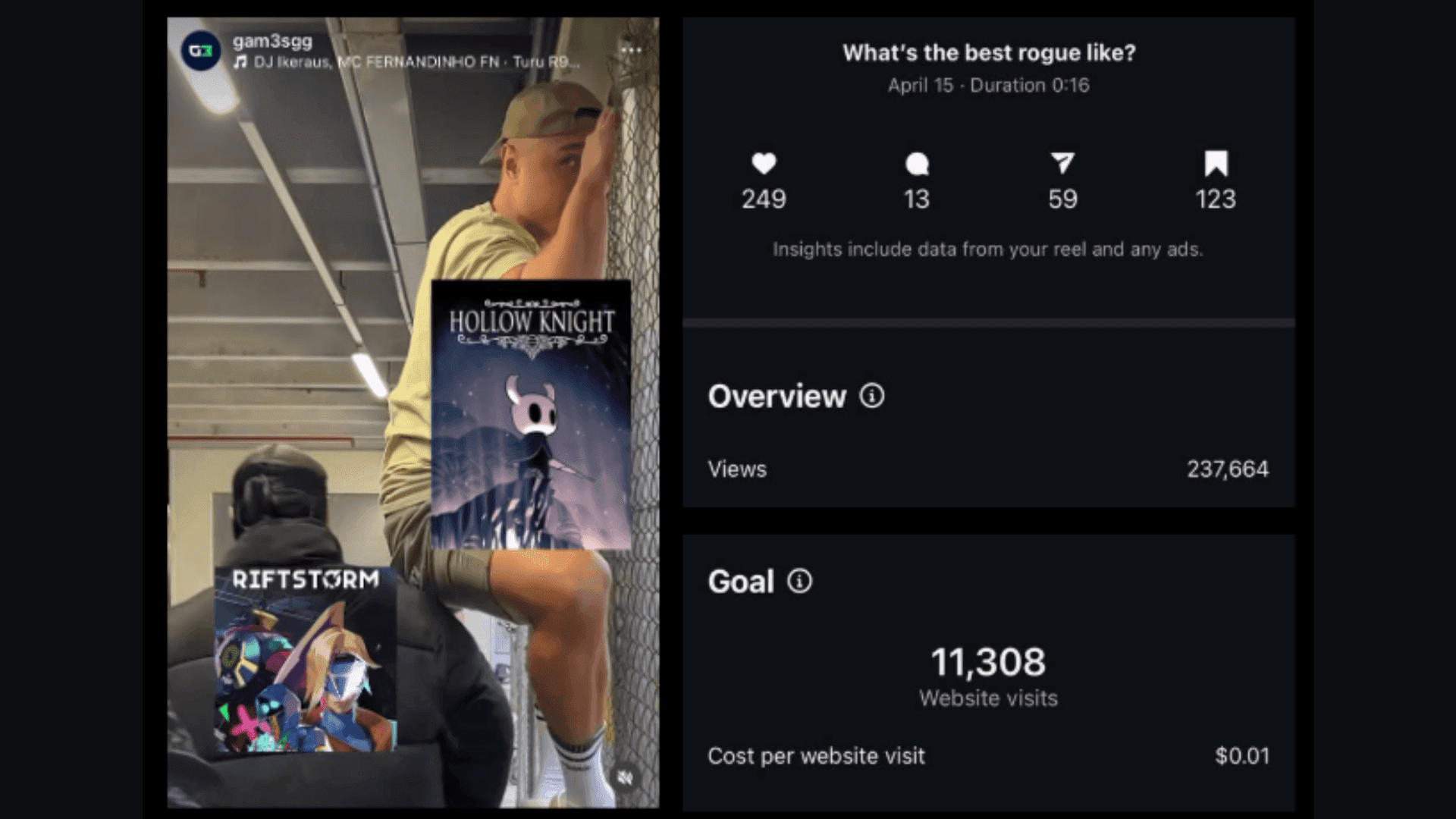
We recently ran a marketing campaign that delivered over 11,000 gamers to Riftstorm’s Steam page. It took one video. It cost us $113. That’s it. The video wasn’t high-budget. It followed a simple meme format that’s proven to grab attention on social media platforms.
The key was hitting the right audience. We targeted roguelike fans specifically, and the response was immediate. The video reached 237,000 views and had a cost-per-click of just $0.01. When people saw it, they clicked “learn more” and landed directly on Riftstorm’s Steam page. No extra steps, no fluff, just a straight path from scroll to store.
TikTok Dominates Modern Attention Economy
The Human Brain and Digital Consumption
Human cognition is not optimized for constant digital stimulation. The abundance of content can lead to distraction and reduced memory retention, leaving users with a sense of engagement but little long-term recall. This is evident in both gaming and broader digital ecosystems, where players and users may interact frequently but rarely develop lasting connections to content.
The constant demand for attention has shifted behaviors from reflection to reaction, emphasizing speed and visibility over depth and impact. For developers and brands, this creates a challenge: sustaining engagement requires approaches that go beyond instant gratification and address the desire for meaningful experiences.
Moving Beyond the Attention Race
Instead of attempting to compete directly with TikTok’s fast-paced content, games, brands, and web3 projects can focus on creating experiences that prioritize depth, community, and lasting value. Systems that reward meaningful participation, encourage social interaction, and build a sense of ownership can foster engagement that persists beyond temporary trends.
Projects like Wolves DAO and sports.fun illustrate this approach by emphasizing conversation, transparency, and contribution over simple metrics like clicks or views. By designing for patience and investment, these initiatives demonstrate that engagement can be cultivated without relying on the short-term attention loops popularized by social media platforms.
Source: Artemis, WolvesDao
Frequently Asked Questions (FAQs)
What makes TikTok so effective at capturing attention? TikTok provides continuous, low-effort content that delivers immediate gratification. Its short videos create rapid feedback loops that keep users engaged without requiring significant commitment or learning.
Why can’t games compete directly with TikTok? Games typically require time, effort, and skill to progress. In contrast, TikTok offers quick, repeated bursts of entertainment. This difference makes it difficult for games to maintain focus when players can access instant rewards elsewhere.
How does web3 struggle with attention retention? Many web3 projects rely on gamified elements like points, badges, or token rewards to drive participation. While these tactics can generate short-term activity, they often fail to build long-term engagement unless paired with a strong sense of community or belonging.
What strategies can brands use to maintain engagement in the TikTok era? Brands can focus on meaningful storytelling, authentic community-building, and interactive experiences that foster loyalty. Prioritizing depth over short-term virality helps create lasting connections with audiences.
Is infinite attention realistic for digital platforms? No. Human attention is limited and fragmented. Platforms that rely solely on rapid content consumption often see high engagement rates but struggle to create lasting impact. Sustainable engagement depends on designing for connection, identity, and meaningful participation.
How can games retain players in an era dominated by short-form content? Games can focus on world-building, meaningful progression, and social systems that promote belonging. By creating experiences that remain valuable outside of constant updates or immediate rewards, developers can cultivate longer-term engagement.