As reported by GameDiscoverCo, Regional pricing continues to be one of the most debated topics on Steam. For both independent developers and major publishers, setting the right price across global markets influences sales, reviews, and overall player sentiment. Steam’s pricing recommendations were last updated in October 2022, and the platform provides an automatic suggested price for almost every currency. The goal is simple: remove guesswork and allow developers to launch quickly without researching local purchasing power or inflation trends.
Valve explained at the time that its recommendations are based on broader economic conditions rather than short-term currency fluctuations. However, despite committing to more frequent updates, the system has remained mostly unchanged since 2022.
The one exception arrived in November 2023, when Valve shifted certain regions - specifically Argentina and Turkey - to USD pricing because of extreme inflation. Steam expanded this USD approach into multiple “buckets,” grouping regions such as LATAM, MENA, and CIS under standardized USD-based suggestions. The streamlined model helps stabilize pricing in countries where local currencies are unpredictable.
What Developers Actually Do With Steam’s Suggested Prices
While Steam provides recommendations, studios are not required to use them. Through public pricing data on SteamDB, it’s possible to compare a game’s real-world prices with Steam’s suggestions. A recent analysis looked at twenty games launched in September 2025, featuring ten indie releases and ten AA/AAA titles. The results show a clear divide between how small and large studios handle regional pricing.
Indie developers tend to accept Steam’s default pricing in nearly every region. The recommendations still align with expected purchasing power, making them a safe option. The one consistent deviation appears in Poland, where about half of the analyzed indie titles reduced the Polish zloty price by more than twenty percent. Currency shifts since 2022 and vocal community pushback in that region appear to be driving these changes. A few indies also lowered prices in regions under the USD currency buckets, especially in countries still experiencing inflation.
For most independent studios, following Steam’s suggestions helps maintain consistency and avoids complex economic research. Adjustments tend to be minimal and based on community feedback rather than broader strategy.
Why AAA Studios Break Away From Steam’s Pricing Suggestions
Larger publishers take a very different path. In major currencies like USD, EUR, and GBP, prices remain close to Valve’s recommendations. However, outside these markets, deviations become aggressive. In China, AA/AAA games carry prices more than twenty-six percent above Steam’s suggested regional amount. Black Myth: Wukong, a large-scale release, pushed even higher than the typical increase, showing how premium releases influence local pricing expectations.
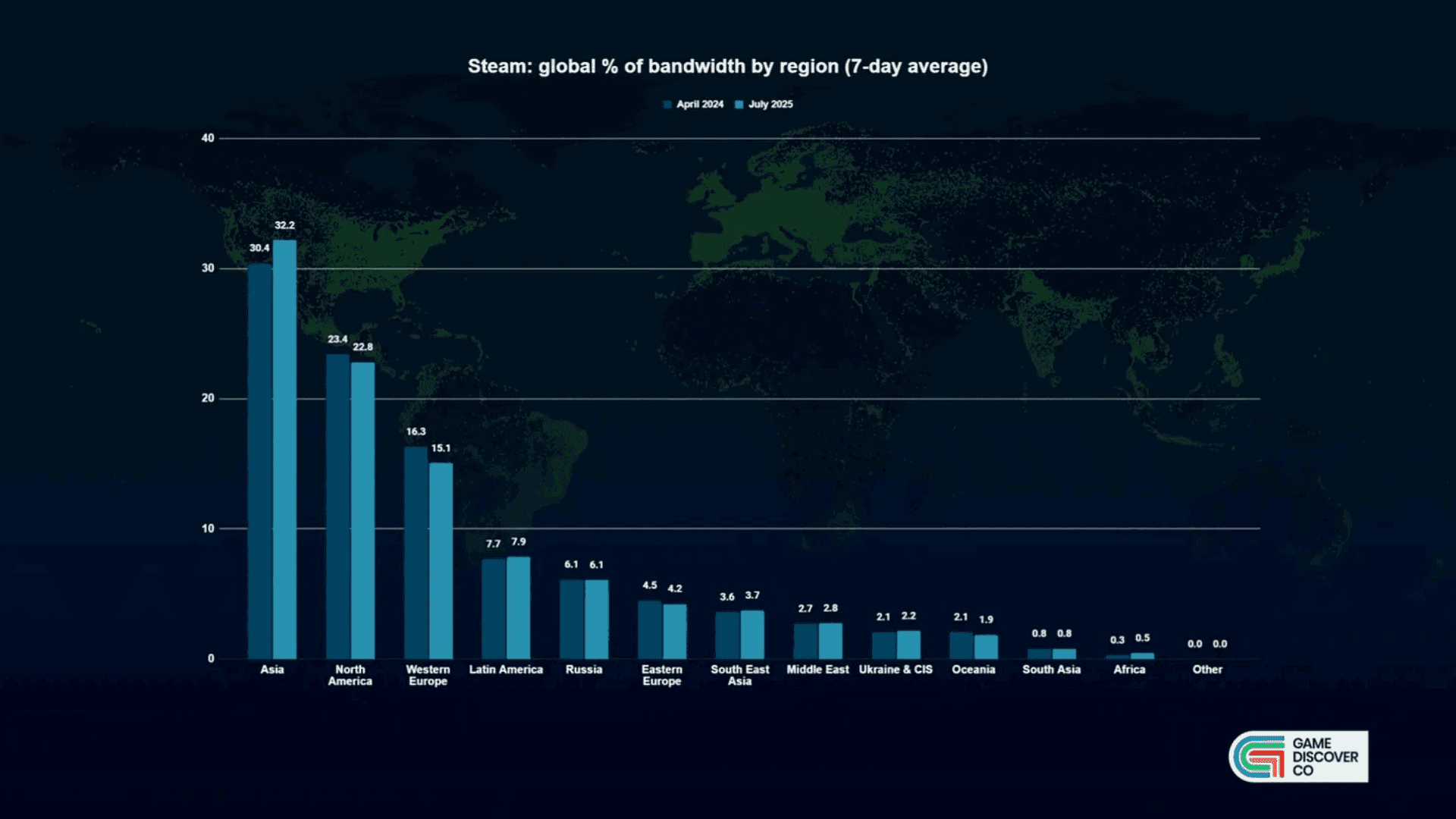
Brazil sees one of the biggest jumps. On average, AAA titles are priced sixty-seven percent higher than Steam’s suggested price. Brazil accounts for more than three percent of global Steam sales, so raising prices may reduce unit sales, but publishers may be reacting to historical import taxes and inflation.
Some AAA studios also ignore the USD bucket system entirely. Instead of adjusting prices for purchasing power in regions placed under the new USD standard, several major releases simply apply the same full USD price everywhere. A $70 game becomes $70 in all USD-based markets, even if that price is disproportionate to local income levels.
These decisions signal a gap between how indies and AAA studios approach global markets. Where indies favor accessibility and consistent pricing, major publishers lean toward maintaining premium positioning and revenue targets. The result is a noticeably wider pricing gap between indie and AAA games in key markets.
What This Means for Players and Developers
In markets like China and Brazil, the pricing gap is visible. Players can find indie titles priced using the default Steam recommendation, while a new AAA release may cost dramatically more. Because Steam's recommendation system is designed around fairness and accessibility, indies benefit from lower risk and player goodwill. AAA publishers, meanwhile, risk reducing sales if their regional prices feel disconnected from local purchasing power.
The takeaway is that Steam’s pricing system generally works for indies in 2025. Following the recommendations keeps pricing competitive, and only a few regions require manual adjustment. For larger studios, the strategy becomes more complex, and the choice to deviate from Steam's guidance appears based on revenue expectations and legacy pricing structures rather than current regional demand.
Source: GameDiscoverCo
Frequently Asked Questions (FAQs)
Does Steam automatically set prices for every region?
Yes. Steam offers a recommended regional price list that developers can accept with a single action. Studios are free to modify any price at any time.
What are USD pricing buckets on Steam?
Due to inflation and unstable local currencies, Steam assigns standardized USD pricing to certain regions, such as LATAM and MENA. This removes volatility but can make games feel more expensive in those markets.
Why do indies usually follow Steam's suggested prices?
Indies generally prioritize accessibility and rely on Steam's recommendations because they reflect purchasing power and reduce the workload of price research.
Why do AAA games price higher than Steam suggests in some countries?
Major publishers often choose pricing that maintains premium positioning. In countries like Brazil and China, this leads to significantly higher prices than Steam recommends.
Are Steam's regional pricing suggestions still accurate in 2025?
For the most part, yes. Recommendations continue to work for indies. However, some currencies, like the Polish zloty, could benefit from an update due to recent shifts.
Do higher regional prices affect reviews or player sentiment?
Players often compare prices across regions, and unexpected price increases can lead to frustration and negative reviews, especially in emerging markets.