
As Romancing SaGa -Minstrel Song- Remastered International approaches launch on PS5 and PS4, series creator Akitoshi Kawazu offers a closer look at the game’s evolution, its long-running design philosophy, and how the remastered version adapts a classic for today’s audience. The updated release introduces expanded content, new systems, and quality-of-life improvements, aiming to deliver a more accessible entry point for newcomers while still honoring the series’ roots.
Revisiting the Origins of a Classic JRPG
Kawazu explains that the original Romancing SaGa was envisioned as a grand fantasy RPG inspired by high-fantasy literature. Early hardware limitations shaped the development of the 1992 release, but its nonlinear structure and emphasis on player freedom quickly became defining elements of the SaGa franchise.
These foundational ideas continue to influence current adaptations, and the remastered version reinforces the same design approach, extending player agency through expanded scenarios and added mechanics.
Evolving the Game Through the PS2 Remake
The 2005 PS2 version of Minstrel Song marked the series’ transition from 2D pixel art to fully 3D environments. Kawazu recalls the challenge of maintaining the spirit of the original while exploring the new hardware’s capabilities. Mechanics such as BP management, combo-based combat, and a refined class system were added to modernize the experience. Rearranged music from composer Kenji Ito helped redefine the game’s tone, giving familiar tracks new energy and emotional weight.
A Modernized Experience on PS5 and PS4
For the International remaster, the team focused on enhancing the existing PS2 foundation rather than building a full PS5-native remake. The result is an upgraded version that includes new playable characters, high-difficulty encounters, and a newly written scenario that expands narrative threads introduced in earlier versions.
The addition of improved UI elements, battle speed adjustments, and data carryover options reflects an effort to streamline progression and bring the game in line with modern RPG expectations.
Preserving the Core Philosophy of Player Freedom
Kawazu believes the series’ longevity is tied to its focus on giving players control over their journey. He notes that experiences shaped by personal decision-making often stay with players long after completing the game. The remastered version continues this philosophy through new events and branching storylines, including new episodes for characters like Marina and Flammar and content that becomes available in later playthroughs.
Artistic Identity and the Influence of Tomomi Kobayashi
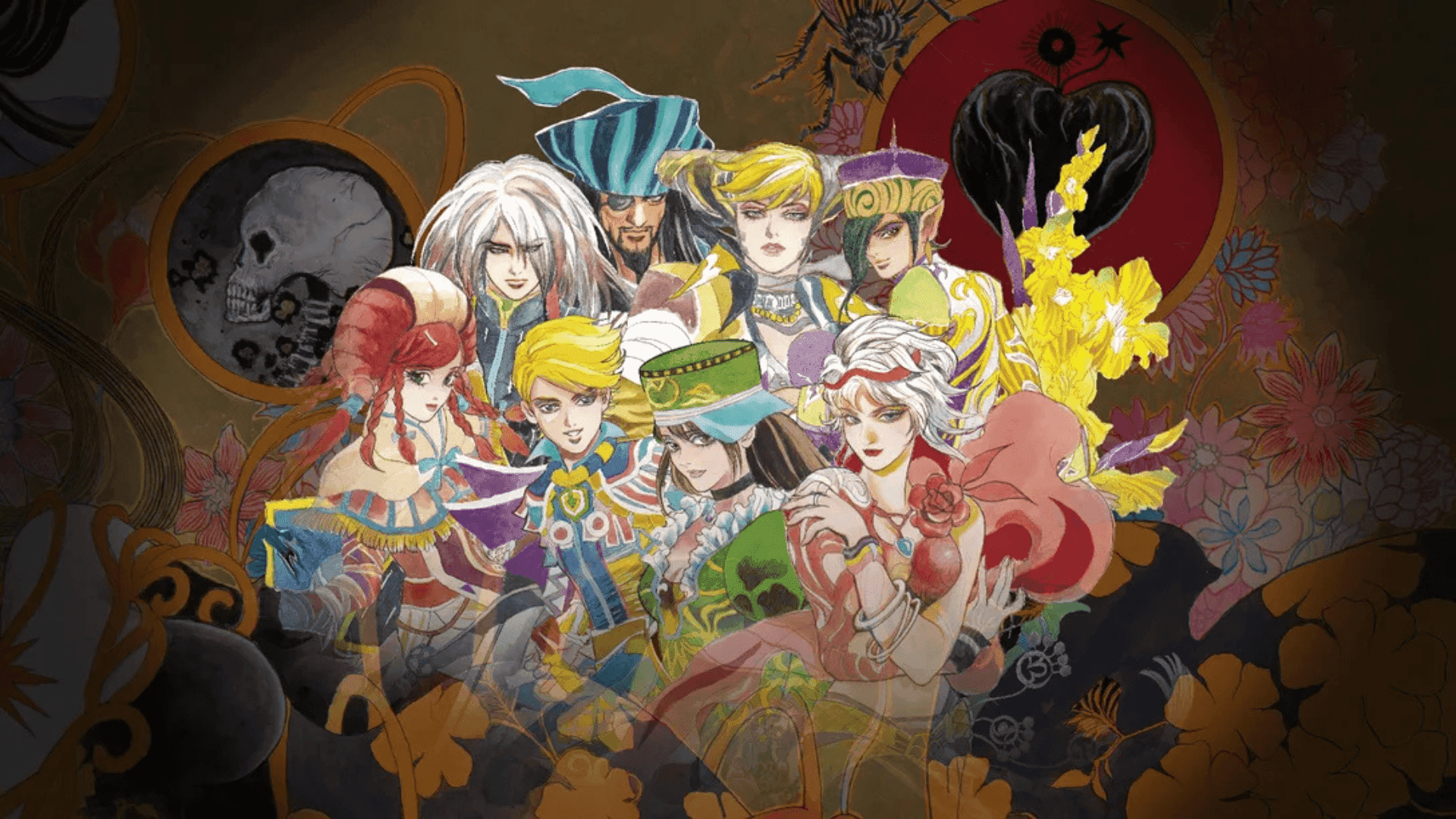
The artwork of Tomomi Kobayashi remains one of the most recognizable aspects of the SaGa series. Kawazu credits her with shaping the tone of the world through expressive character designs and vibrant compositions. He explains that her illustrations not only guided players’ imaginations but also inspired the development team throughout the creative process.
The Narrative Role of the Minstrel
Kawazu describes the recurring Minstrel character as an observer who offers a wider perspective on the world’s events. Rather than focusing solely on protagonists’ emotions or personal stakes, the Minstrel acts as a narrative anchor, highlighting the broader conflicts and themes that define the world of Mardias.
Music as a Core Part of the Game’s Identity
Kenji Ito’s music remains a central pillar of the SaGa experience. Kawazu recalls how Ito’s rearranged compositions for the PS2 version captured the expanded sound capabilities of the hardware and often moved the audio team during production. The remastered International version continues to update the soundtrack, providing players with a refreshed listening experience while maintaining the tone of the original.
Expanding to a Global Audience
With new localizations in French, Italian, German, and Spanish, the remastered release marks the first time many players outside Japan can experience the game in their native languages. Kawazu expresses satisfaction that the title is now accessible to regions where fantasy storytelling has deep cultural roots.
Looking Toward the Future of the SaGa Series
Kawazu states that future SaGa projects will continue blending traditional fantasy elements with modern gameplay ideas. He also expresses interest in revisiting and remaking earlier titles as the series continues to evolve.
Frequently Asked Questions (FAQs)
What platforms is the Remastered International version available on?
The remastered release is available on PS4 and PS5 through the PlayStation Store.
What new content is included in the International version?
The game adds new playable characters, high-difficulty bosses, expanded scenarios, new events, updated UI, battle speed-up options, and additional language support.
Is this a full remake or an enhanced remaster?
It is an enhanced remaster based on the PS2 version, not a complete remake built for PS5.
Does the game support multiple languages?
Yes. In addition to English and Japanese voices, the game includes French, Italian, German, and Spanish text localization.
Are there new story elements compared to the original Romancing SaGa?
The core story remains the same, but new events, a freshly written scenario, and expanded character arcs have been added.
Is this version suitable for first-time SaGa players?
Yes. Quality-of-life updates and added guidance features make the game more accessible while retaining the nonlinear structure the series is known for.
Does the game include updated music?
Yes. Kenji Ito’s music has been rearranged and expanded to take advantage of modern audio capabilities.