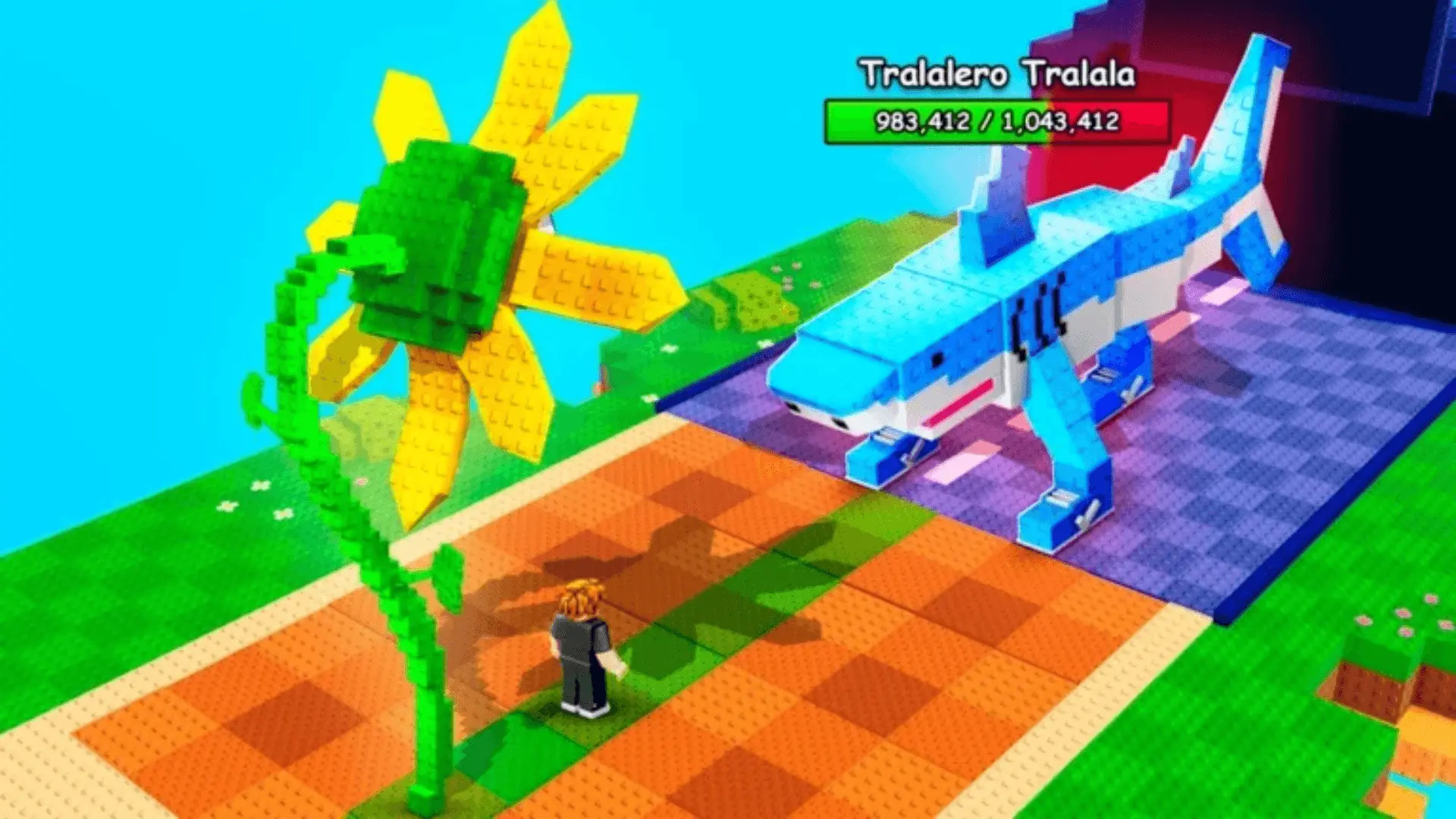

The creators of Steal A Brainrot, a popular brainrot-themed Roblox game, have filed a lawsuit against Stealing Brainrots, a custom game on Fortnite. Spyder Games, the developer behind Steal A Brainrot, alleges that the Fortnite game copied key aspects of their title, including user interface elements, in-game objects, artwork, level design, animations, and overall design aesthetics. The complaint also highlights the selection and coordination of game elements, colors, and shapes as points of similarity.
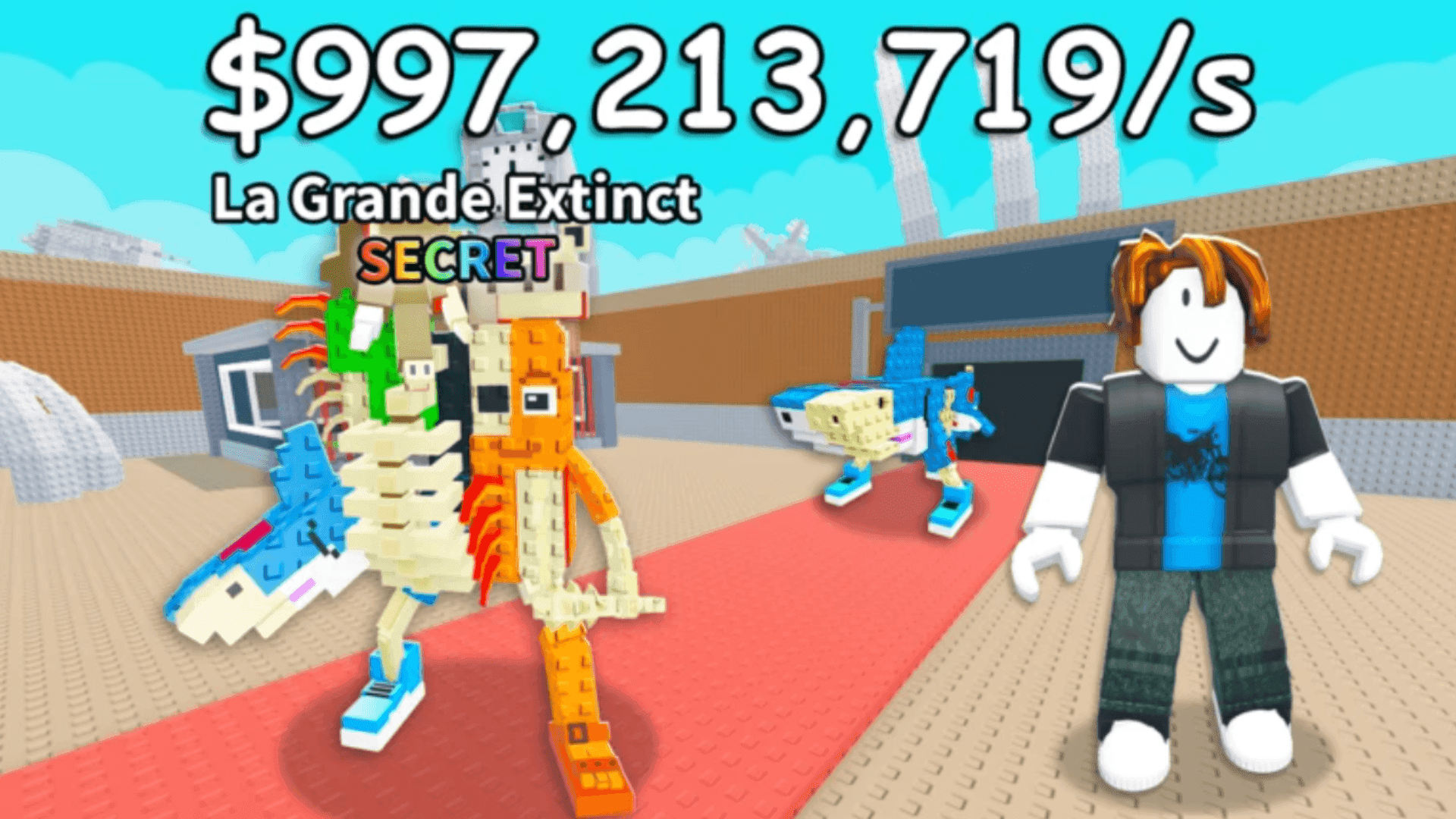
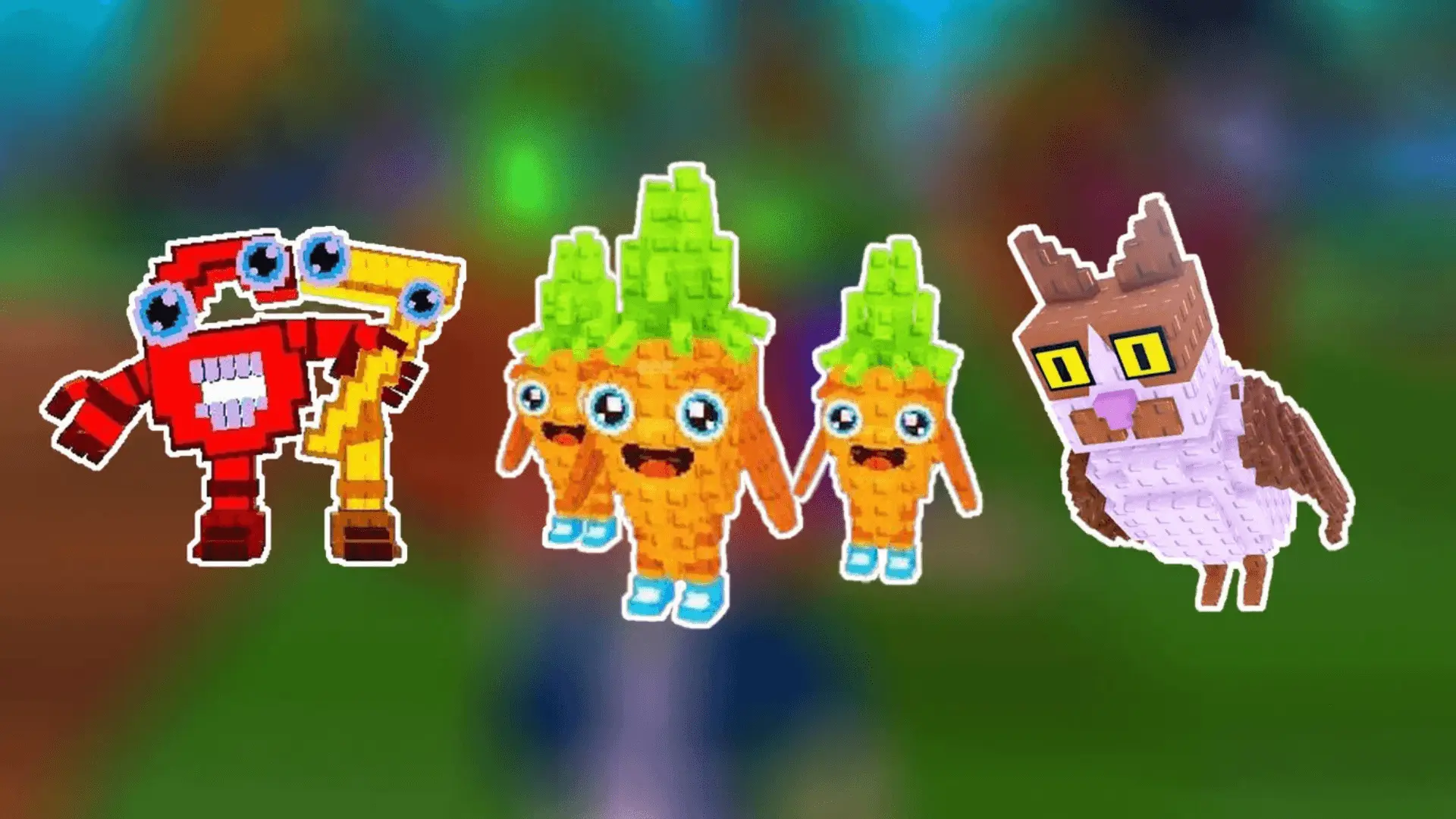
Steal A Brainrot allows players to collect meme characters in exchange for virtual currency. The Roblox game is currently one of the platform’s most visited, having accrued 35.9 billion visits. The game is themed around Italian Brainrot, a series of AI-generated surreal memes featuring characters such as Chimpanzini Bananini and Bombardiro Crocodilo. The lawsuit does not claim ownership of the meme characters themselves, focusing instead on the specific expressions and gameplay design of Steal A Brainrot.
Context of Italian Brainrot in Gaming
While Steal A Brainrot is one of the largest Italian Brainrot-themed games on Roblox, it was not the first. Italian Brainrot Quiz launched approximately a month earlier and has gathered 121 million visits. The popularity of these games reflects a growing trend in Roblox and Fortnite where user-generated content draws inspiration from viral internet memes.
Spyder Games’ legal representative, Adam Starr, said, "We always prefer to resolve these matters cooperatively, but when necessary we will take appropriate legal steps to safeguard our IP." The case points to broader challenges in the gaming industry where ideas and gameplay mechanics can be easily replicated across platforms.
Monetization and Platform Considerations
Both Roblox and Fortnite provide systems for creators to earn money from custom games. Roblox developers can monetize through in-game purchases, though the platform takes a portion of the revenue. Fortnite’s creator program similarly allows developers to sell items within their custom games, with Epic Games taking a share. The ongoing lawsuit comes as both platforms continue to expand monetization options, raising questions about ownership and intellectual property when viral content is adapted across games.
Potential Implications for User-Generated Games
The lawsuit between Steal A Brainrot and Stealing Brainrots highlights the legal complexities surrounding user-generated content in modern gaming. As more viral themes, including Italian Brainrot and other meme-based concepts, are incorporated into games, disputes over originality and intellectual property are likely to increase. Developers may need to carefully navigate these issues to protect their creations while engaging in cross-platform trends.
Check out Roblox Gift Cards on Amazon here.
Learn about other popular Roblox experiences here:
Frequently Asked Questions (FAQs)
What is Steal A Brainrot?
Steal A Brainrot is a Roblox game where players collect meme characters and earn virtual currency. The game is themed around Italian Brainrot, a series of AI-generated surreal memes.
What is Stealing Brainrots?
Stealing Brainrots is a Fortnite custom game that Spyder Games claims copies elements of Steal A Brainrot, including interface, level design, and animations.
Why is there a lawsuit?
Spyder Games filed the lawsuit alleging that Stealing Brainrots copied protectable expressions of Steal A Brainrot, such as game design, art, and interface elements.
Are the meme characters owned by the Roblox developers?
No, the lawsuit does not claim ownership of the Italian Brainrot characters themselves. It focuses on the game’s design and unique expressions.
How do Roblox and Fortnite allow creators to earn money?
Both platforms have systems for monetization. Roblox developers can earn through in-game purchases, and Fortnite allows creators to sell items in custom games. Both platforms take a portion of the revenue.
What could this lawsuit mean for future games?
The case highlights potential challenges for developers creating user-generated content and may influence how platforms manage intellectual property and originality in games.