Nintendo’s overhaul of the Switch eShop discovery algorithm in mid-2025 has now had six months to settle in, offering a clearer picture of how the update affects visibility, pricing dynamics, and the types of games players see first. The adjustment moved both Switch 1 and Switch 2 stores from ranking titles based on 14-day download counts to highlighting the top-grossing games over a rolling three-day window. The results show a noticeable shift toward premium titles across key sections of the store.
Premium Titles Dominate Post-Update Best-Seller Charts
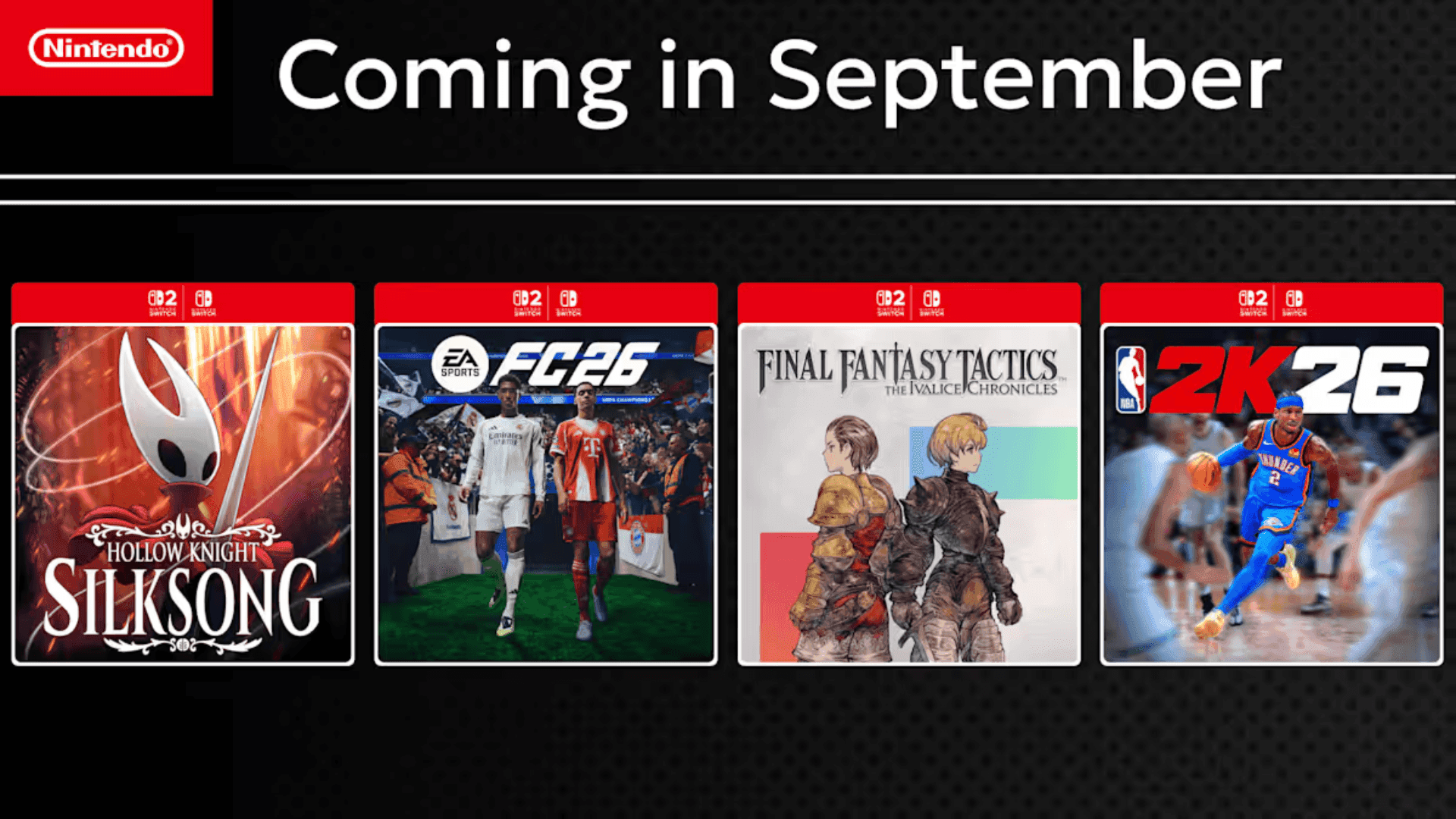
A revisit of the current best-seller lists on both platforms shows a consistent rise in $60 to $70 titles. On Switch 1, nearly all of the top positions are occupied by full-price games, with Minecraft as a rare lower-cost outlier. Switch 2 follows a similar trend, with only Hades II appearing at a reduced standard price point.
These listings are not entirely out of place, as first-party and premium titles have historically performed well. However, the updated focus on gross revenue gives higher-priced games an inherent advantage, allowing them to climb charts faster and remain visible longer. The change shifts attention away from lower-priced indie or mid-tier titles that previously gained traction through strong download numbers alone.
Deep Discounts No Longer Drive Visibility
Another noticeable shift comes from the deals section. Before the update, the area often spotlighted aggressively discounted indie or smaller-scale games, sometimes selling for 90% off. These offers regularly dominated the deals charts and provided a significant boost in visibility for studios relying on steep markdowns.
Now, the deals section primarily features major titles originally priced at $60 to $70, discounted into the $10 to $40 range. Games like Skyrim, Luigi’s Mansion 3, Hogwarts Legacy, Just Dance, and Madden appear far more frequently than smaller titles. The shift removes the previous advantage small studios gained through deep discounts and redistributes attention toward recognizable franchises and premium releases.
Rising Pressure on Indie and Mid-Size Developers
Developers producing lower-priced or niche games have reported a noticeable decline in reach since the update. While the algorithm change plays a role, other factors contribute to the broader landscape. The eShop continues to grow more crowded, and with 84% of Switch 2 owners carrying over sizable Switch 1 libraries, older purchases still influence new buying behavior.
Even with these external factors, the new revenue-based ranking system clearly elevates premium titles and makes it more difficult for indie games to capture visibility through sale strategies alone.
What the Data Shows Six Months After the Update
Data comparing estimated Top 100 unit charts from the six months before and after the update doesn’t reveal dramatic upheaval at the top. Popular games remain popular, especially with the introduction of Switch 2 exclusives and upgraded versions of existing hits.
However, two notable patterns emerge from the analysis. The median MSRP for games appearing in the Top 100 has increased by roughly 14%, moving from $37.50 to $42.90. This indicates that higher-priced games are benefiting from the updated revenue-focused model.
Another shift relates to how effective extreme discounting is. Little Friends Dogs & Cats, a $50 title, previously reached #20 in unit sales through steep 95% off discounts. After the algorithm change, similar discounting only pushed it to #99, with a roughly 35% drop in sales volume. External deal communities continue to drive some demand, but the strategy no longer guarantees prominent placement within the eShop itself.
A New Landscape for eShop Visibility
The updated algorithm reshapes how publishers approach pricing and promotion. Heavy discounting no longer secures the same exposure it once did, and premium titles are more likely to benefit from the current visibility system. For smaller developers, the path to discovery may now rely more on outside marketing channels and consistent engagement rather than aggressive price cuts.
Source: GameDiscoverCo
Frequently Asked Questions (FAQs)
How did the Switch eShop algorithm change in 2025?
Nintendo shifted the algorithm from ranking games by 14-day download numbers to ranking them by three-day gross revenue, giving higher-priced games more visibility.
Why are more $60–$70 games appearing in best-seller charts?
Because rankings now depend on revenue instead of unit sales, premium titles naturally climb higher and maintain visibility longer.
Are indie games affected by the change?
Yes. Many indie and mid-size games that relied on download volume or deep discounts have seen reduced visibility under the new system.
Do extreme discounts still help games chart?
Not to the same degree. Deeply discounted titles no longer reach high positions in the deals section because the charts prioritize total revenue generated.
Is the Switch 2 influencing chart changes?
Partly. The launch of Switch 2 introduced new exclusives and upgraded versions of major releases, affecting overall store performance trends.
What pricing strategies work best now?
Moderate discounts on higher-priced or popular titles are more effective for chart visibility than extreme markdowns on lower-priced games.
Does this change affect free-to-play titles?
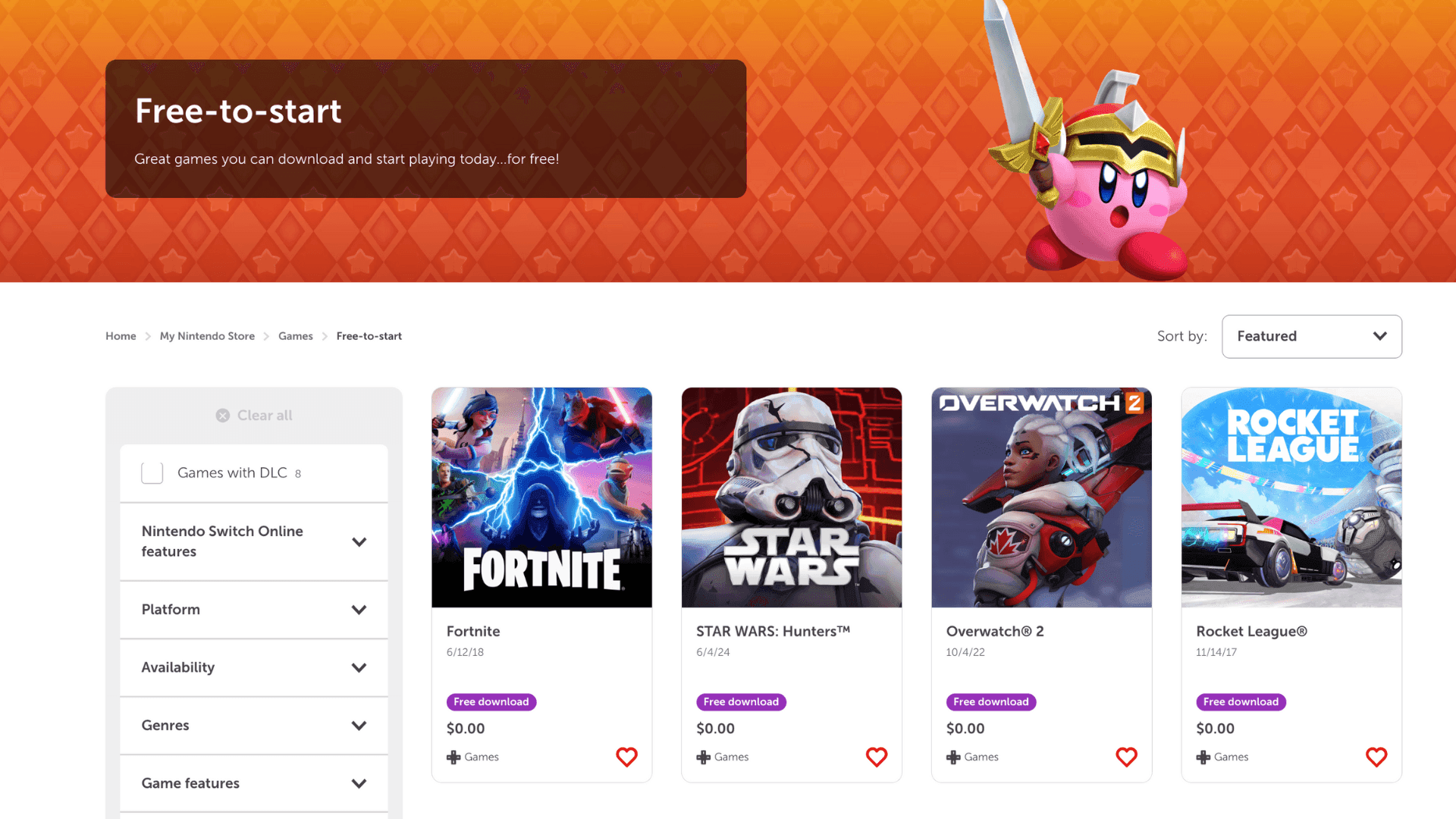
Free-to-play titles are excluded from the revenue-based ranking, so the update primarily impacts paid titles and their sale strategies.