
Let's be direct: you don't always need money to market a game.
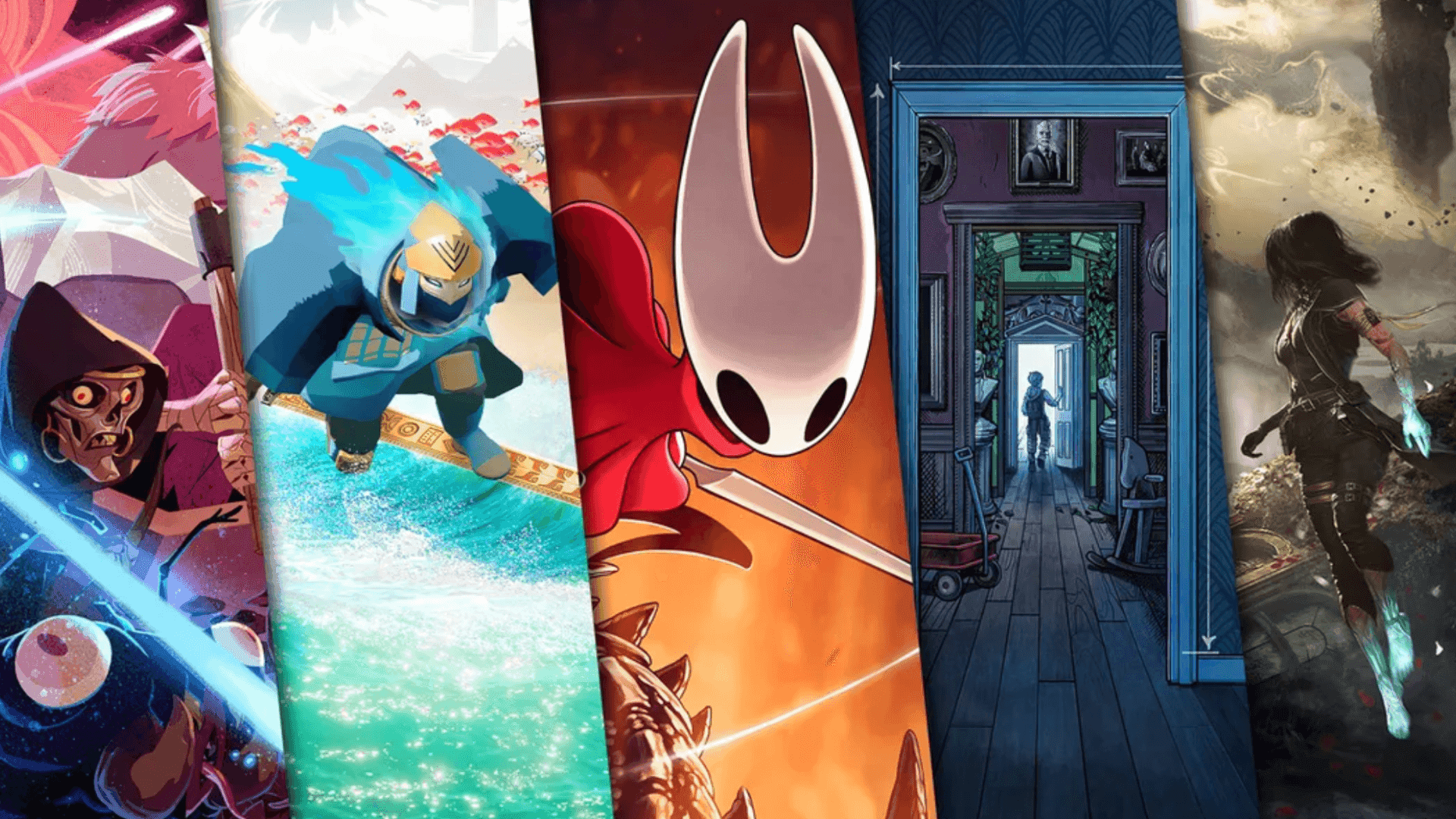
You need time, consistency, and a willingness to do things that don't scale in the early days. Some of the most successful indie games in history started with marketing budgets of essentially zero. Vampire Survivors began as a side project and built momentum almost entirely through organic word of mouth. Among Us sat dormant for two years before organic TikTok and Twitch content turned it into a global phenomenon. Stardew Valley was made by one person who marketed through dev blogs and community engagement. Hollow Knight grew from a Kickstarter into one of the best-selling indie games on both PC and console through pure community loyalty and word of mouth.
Money accelerates marketing. But it doesn't replace the fundamentals. Whether you're launching on Steam, PlayStation, Xbox, Nintendo Switch, Epic Games Store, or all of the above, these 12 strategies cost nothing except your time.
Make Your Store Pages Do the Heavy Lifting
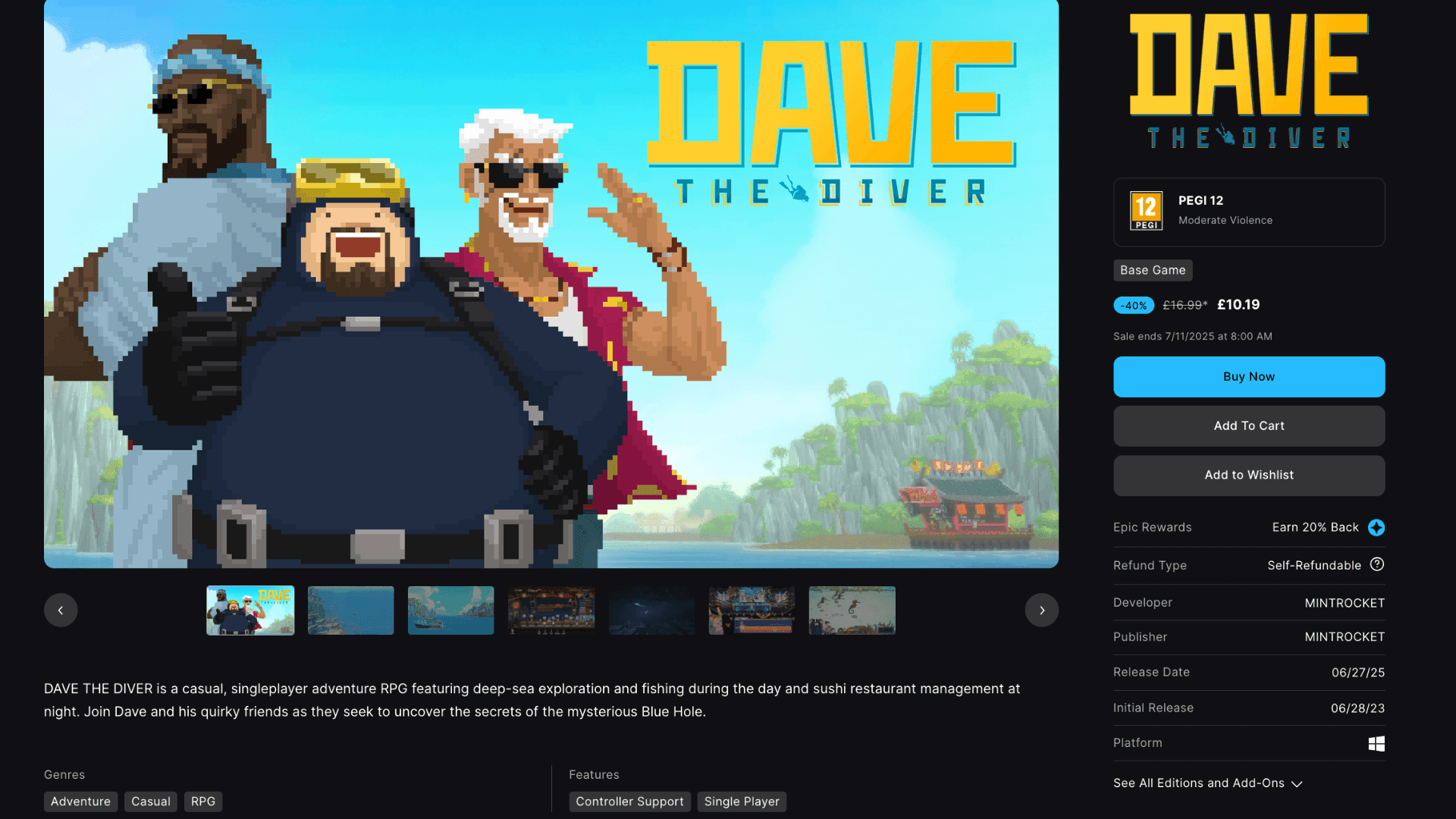
Your store pages are free. They're also the highest-converting marketing assets you'll ever have. On Steam, that means optimizing your capsule image, short description, tags, and trailer. On console storefronts like PlayStation and Xbox, it means nailing your hero banner, gallery screenshots, and the first two lines of your description that appear above the fold.
Every platform has its own layout and discovery mechanics, but the principle is the same: communicate your hook within the first 2–3 seconds of someone landing on your page. If you're launching on multiple platforms, don't just copy-paste the same assets. PlayStation's store emphasizes hero banners differently than Steam's capsule system. Xbox has its own tagging and recommendation logic. Epic Games Store has curated editorial placements. Take the time to optimize for each platform individually.
Worth noting: most developers obsess over their Steam page (and they should), but completely neglect their console store pages. If you're doing a multi-platform launch, your PlayStation and Xbox listings deserve the same attention as Steam. Players on those platforms are just as likely to discover you through browsing, recommendations, and search.
Post Dev Content Consistently on Social Media
The most effective free content format? Short gameplay clips. A 15–30 second video showing a satisfying mechanic, a beautiful environment, or a funny moment can reach thousands organically on TikTok and X/Twitter. Post at least three times a week. Consistency over perfection.
What actually performs well: before-and-after comparisons of a feature you improved, short clips of a satisfying gameplay loop, time-lapses of level design or art creation, and genuine reactions to bugs or unexpected player behavior. What doesn't perform well: announcement posts with no visual, generic "coming soon" graphics, and anything that reads like a press release.
If you're targeting console players specifically, platforms like Instagram and YouTube Shorts tend to resonate more with the PlayStation and Xbox audience than X, which skews more toward PC gaming. Match the platform to the audience you're trying to reach.
The key to devlogs that get traction is specificity and honesty. Generic updates like "we're making progress!" don't get shared. Specific, story-driven posts do.
Titles that work: "How I Built a Procedural Dungeon Generator in 48 Hours." "Why We Scrapped Our Combat System and Started Over." "What We Learned Porting Our Game to PlayStation." "Our First Week on Game Pass: The Numbers." These posts attract developers and players alike, and they get shared widely on Reddit, Hacker News, and developer communities.
Post devlogs on Steam (news section), your website/blog, itch.io, IndieDB, and cross-post highlights to social media. If you're doing a console port, write about the porting process, the differences between platforms, the challenges of certification. That kind of content is genuinely interesting to both developers and curious players.
Build a Discord Server People Actually Want to Join
Most dev Discord servers fail because they're nothing more than announcement channels. Nobody wants to join a server just to be marketed at.
Build yours around a theme broader than your game. If you're making a cozy farming sim, create a server for people who love cozy games in general. If you're building a tactical RPG, make a space for fans of the genre to discuss their favorites, share screenshots, and recommend games to each other. Give people a reason to hang out even when there's no news about your game.
The servers that actually grow have: regular events or discussions (weekly game nights, fan art showcases, polls), exclusive content you don't post anywhere else, active moderation so it feels welcoming, and genuine interaction from the dev team, not just automated announcements. A server with 500 genuinely engaged members is worth more than one with 5,000 who never open Discord.
Use Reddit the Right Way
Reddit is the highest-potential free marketing platform for games, and also the easiest to get wrong. The platform's culture is fundamentally hostile to anything that feels like promotion, which means you need to earn your right to share your game through genuine participation first.
Spend 90% of your Reddit time engaging with other people's content. Comment on posts, help people with questions, share knowledge. When you do share your game, frame it through the lens of value: development insights paired with a GIF, a postmortem of a technical challenge, a genuine feedback request with a playable demo link. Not "check out my game."
For multi-platform games, subreddits like r/PS5, r/XboxSeriesX, r/NintendoSwitch, and r/EpicGamesStore each have their own communities actively looking for new games. These platform-specific subs are often less saturated than r/gaming or r/indiegaming and can drive targeted traffic to your console store pages directly. Just respect each community's rules, they vary significantly.
Send Keys to Content Creators
Platform keys are free to generate, whether that's Steam, PlayStation, Xbox, Nintendo, or Epic Games Store. Build a list of 50–100 YouTube and Twitch creators with 1K–50K subscribers who regularly cover indie games in your genre. Write personalized outreach emails that reference their recent content specifically. Even a 10% response rate means 5–10 potential pieces of organic coverage for zero dollars.
Here's the thing most devs miss: different creators have different platform audiences. A YouTube channel focused on "best indie games on PS5" or "hidden gems on Game Pass" is targeting console players directly. A Twitch streamer playing on Steam Deck is reaching a different audience than one playing on a gaming PC. Match the creator to the platform version of your game you most want to promote.
Don't overthink the email. Include: who you are (one sentence), what your game is and why it's relevant to their audience (two sentences), a link to your trailer or store page, and an offer to send a key for their preferred platform. Keep it under 150 words. Also, we're always looking for new games to try out, so feel free to send some keys our way to [email protected]!
Create a Press Kit
A professional press kit includes high-res screenshots (at least 8–10 showing variety), key art in multiple aspect ratios, your logo with and without background, a trailer link (YouTube, not a direct file), a short and long game description, studio bio, contact info, and platform availability with release dates.
Host it on your website as a downloadable ZIP or use a service like presskit.game. Make it stupid easy for anyone to cover your game. Journalists and creators are busy, if they can't find usable assets within 30 seconds, they'll move on to the next pitch in their inbox. Include assets sized for every platform: Steam capsule dimensions, PlayStation hero banners, Xbox key art specs, and social media-ready crops.
PS: This makes life a lot easier for platforms like ourselves to feature all your correct logos, banner and cover images to feature your game in the best possible packaging everywhere across the internet.
Cross-Promote With Other Developers

Find 3–5 studios making similar games, ideally across the same platforms you're targeting. Propose mutual promotion: you feature their game in your Discord and social channels, they do the same for yours. Mention each other in newsletters. Include "if you liked this, check out..." cards in your community posts.
"9 Kings" and "The King is Watching" demonstrated this brilliantly during Steam Next Fest 2025 by cross-promoting despite being direct genre competitors. Both ended up on the trending charts. On console, this works just as well through social media cross-promotion and community shout-outs, even if the storefronts don't have the same built-in cross-linking that Steam offers.
This costs nothing, takes minimal time to coordinate, and taps into a pre-qualified audience that already likes games similar to yours.
Participate in Free Online Events
Steam Next Fest is the single largest free marketing opportunity on Steam, but it's far from the only one. Xbox has ID@Xbox showcases and Game Pass demo events. PlayStation features indie games through its Indie Initiative and State of Play showcases. Nintendo highlights indie games through Indie World presentations.
Beyond first-party events, dozens of smaller online showcases and digital festivals accept applications at no cost: the Triple-i Initiative, Wholesome Direct, Day of the Devs, Future Games Show, and genre-specific events like the Guerrilla Collective and Latin American Games Showcase. Apply to every single one that fits your game. Each acceptance is free visibility to tens or hundreds of thousands of engaged viewers.
List Your Game on Every Free Platform
GAMES.GG, itch.io, IndieDB, and various curated lists all provide incremental visibility at no cost. Each listing is a permanent, free source of discovery that compounds over time. Think of it like this: every additional platform where your game is listed is another door players can walk through to find you.
For console developers specifically, make sure you're listed on platform-specific discovery sites and databases. The PlayStation Store, Xbox Store, and Nintendo eShop all have their own browsing and recommendation systems, but third-party sites like GAMES.GG aggregate across all of them, giving you cross-platform visibility that no single storefront provides on its own. List your game on GAMES.GG for free → partners.gam3s.gg
This takes less than an hour per platform and the traffic compounds permanently. There's no reason not to do it.
Use Every Platform's Built-In Marketing Tools
Steam has Events, Announcements, the Store Widget, and the Community Hub, all free and underutilized by most developers. But Steam isn't the only platform with built-in tools. PlayStation has Activity Cards that let you surface content directly on the PS5 dashboard. Xbox has Game Hub posts and integration with the Xbox app that pushes updates to players. Nintendo Switch has news channels, and Epic Games Store has a news feed system.
Each of these tools is free to use and puts your content directly in front of players who have already shown interest in your game. Most developers ignore these tools entirely, which means the ones who actually use them stand out. Post updates at least biweekly on every platform where your game is listed.
Build an Email List From Day One

An email list is the only audience you fully own. Social media algorithms change. Platform recommendation systems shift. Discord can throttle your notifications. But an email list is yours, and you can reach everyone on it whenever you want. Even a list of 500 subscribers is powerful on launch day when every other channel is throttling your reach.
Set up a simple landing page with an email capture (Beehiiv, Mailchimp, or ConvertKit all have free tiers), mention it in every devlog and social post, and offer something in exchange for signing up: early access to the demo, a behind-the-scenes art pack, or simply being the first to know about the launch date.
On launch day, that email list becomes your most reliable channel. While social media posts reach maybe 5–10% of your followers organically, emails land directly in inboxes with 30–50% open rates. For a zero-budget launch, that's the difference between 50 people seeing your announcement and 250.
Conclusion
Zero budget doesn't mean zero options. It means you trade money for time and consistency. The developers who succeed without marketing budgets are the ones who show up every day, build genuine relationships, optimize every free channel available to them, and treat marketing as a daily practice rather than a launch-week scramble.
Every strategy in this list works whether you're launching on Steam, PlayStation, Xbox, Switch, Epic Games Store, or all of them simultaneously. The platforms are different, the tools vary, but the fundamentals are the same: make it easy for people to find your game, give them a reason to care, and be consistent about it.