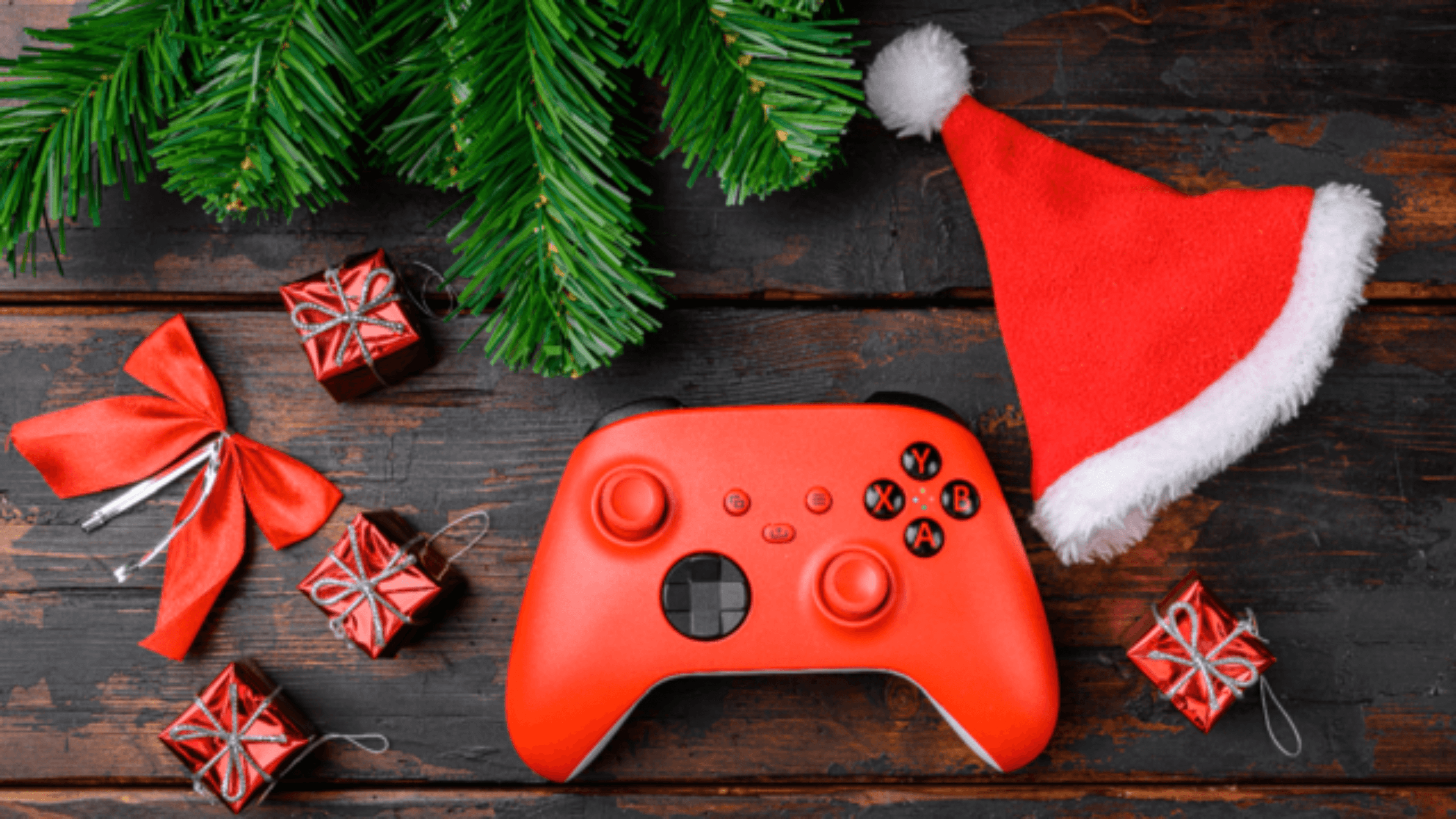

Logitech G released new insights highlighting a growing global trend in which gaming is increasingly incorporated into holiday travel and seasonal breaks. Commonly described as the “gamecation,” the trend reflects how players are intentionally planning time to play - at home, while traveling, and during family gatherings.
Survey-based research commissioned by Logitech G suggests gaming is becoming a more deliberate component of holiday leisure rather than an occasional activity. In the UK, more than half (55%) of adults who game - estimated at approximately 14.1 million people - reported requesting time off from work specifically to play games in 2025. In Australia, one in four gamers - approximately 5.3 million individuals - reported taking time away from work or study for gaming-related activity during the same year.
Across markets, respondents cited major game launches, hardware releases, and in-game events as common reasons for coordinating time off around gaming. The UK research further found that 28% of gamers reported spending six or more hours gaming during holiday breaks, underscoring how playtime is increasingly being planned into leisure schedules.
Gaming as a Seasonal Reset
As year-end travel, social commitments, and holiday preparations intensify, Logitech G’s research indicates many gamers view play as a way to decompress. In Australia, 65% of respondents said gaming helps them relax and manage stress, aligning closely with those who cited playing for enjoyment.
In the UK, nearly a quarter (24%) of gamers reported considering a gaming-focused holiday in 2025. Among those respondents, 43% said incorporating gaming into time off was equally or more relaxing than traditional breaks such as spa retreats or city trips, suggesting gaming is increasingly viewed as a form of personal downtime during busy seasonal periods.
Shared Play and Staying Connected
The research also points to gaming’s role in building connection during the holidays. In France, 74% of adults surveyed said video games help bridge generational gaps, particularly during family gatherings. Team and sports-style games were frequently cited, with 45% reporting having SIM raced with family members - a figure that rose to 65% among parents with children under 18.
In the UK, where concerns about family quality time were noted, 86% of respondents said they would play video games with their children to create shared moments, and 65% believed gaming could provide more bonding value than certain traditional seasonal activities.
For those spending the holidays away from friends and family, online play also continues to support social connection. In Australia, 33% of respondents said gaming is one of their primary ways of catching up with friends, while 75% said online gaming plays an important role in maintaining relationships across physical distance.
Gaming Gear Goes on the Road
As gaming becomes more mobile, devices and accessories are increasingly traveling with players. In the UK study, 51% of respondents said they bring a console or handheld device when traveling. Logitech G also cited industry data indicating cloud gaming subscriptions have increased by more than 500% over the past five years, enabling gameplay across more locations and devices.
When selecting accommodations, UK respondents most frequently cited ultra-fast WiFi (48%) and a comfortable space that can function as a gaming setup (45%) as key considerations. In response to these evolving habits, Logitech G noted growing demand for portable and durable gaming equipment, including lightweight, travel-ready headsets such as the G522, alongside compact precision mice and mechanical keyboards designed for use on the move.
Frequently Asked Questions (FAQs)
What is a gamecation?
A gamecation refers to a holiday or period of time off that is intentionally planned around gaming, either at home or while traveling.
Why are gamers planning holidays around gaming?
Survey data suggests gamers plan time off to align with game launches, in-game events, or new hardware, and to ensure uninterrupted time to play.
Is gaming considered relaxing during holidays?
Many respondents said gaming helps them relax and manage stress, with some viewing it as equally or more restful than traditional holiday activities.
How does gaming support family time during holidays?
Research indicates that shared gaming experiences, especially cooperative or sports-style games, help create bonding moments across different age groups.
Do gamers travel with gaming equipment?
Yes, more than half of surveyed UK gamers reported bringing consoles or handheld devices when traveling, supported by the growth of cloud gaming and portable accessories.