
Night Street Games is bringing a familiar playground staple into the modern multiplayer space with Last Flag, a competitive game built around strategy, stealth, and fast decision-making. Led by CEO and co-founder Mac Reynolds, the studio aims to recapture the tension and creativity of classic capture-the-flag matches that defined childhood evenings for many players. Instead of focusing on raw shooting skill, the game puts its core mechanics at the center: hiding, searching, defending, and escaping.
Reynolds explained that the team’s goal was to preserve the fundamental experience of sneaking through enemy territory and discovering cleverly hidden objectives. That focus shaped every stage of development, influencing how maps are built, how flags are placed, and how players are guided through each match.
A Match Flow Built on Planning and Discovery
Last Flag opens each round with a short hiding phase, giving teams exactly 60 seconds to place their flag anywhere on their side of the map. Flags must remain partially visible, and once the timer ends, they cannot be moved. This approach makes placement a strategic choice rather than a simple obligation. Teams must consider accessibility, camouflage, and defensibility, knowing opponents will rely on both visual and audio cues - including a golden, choir-like tone - to locate the flag.
After the hiding phase, the match shifts into a search-and-defend loop. Teams move across the map looking for the opposing flag while protecting their own. Unlike traditional objective-based shooters that rely heavily on aiming proficiency, Last Flag favors awareness and map reading. Players who excel at stealth, timing, and reading enemy routes can have as much impact as top-tier shooters.
Radar Control and Map Layout Shape Every Match
Maps in Last Flag are constructed with three distinct lanes - A, B, and C - each featuring a radar tower. Capturing a tower grants periodic intel by eliminating sections of the map as possible flag locations. Every 30 seconds, a marked area confirms that the enemy flag is not present, narrowing the search and influencing team rotations.
Radar towers introduce a layer of strategy that goes beyond simple objective chasing. Teams can fight for control to gain more information, avoid contested towers to focus on scouting, or attempt risky flanking routes to bypass enemy defenses. The towers are optional, which ensures that players can rely on both intuition and map knowledge if they choose not to contest those zones.
Night Street Games emphasizes map size as a deliberate balance. Each environment is large enough to support meaningful exploration without pulling players too far from the action. With two maps currently available and a third in development, each plays differently thanks to layout, tower placement, and traversal options.
Strategic Depth Without Excessive Complexity
The development process prioritized refining the core loop rather than stacking new mechanics on top of it. Reynolds described months of iteration focused solely on hiding, finding, defending, and escaping. This led to clean, readable mechanics that encourage experimentation and adaptive strategies. Emergent gameplay quickly became a highlight during testing, with players discovering creative combinations - from teleporter chains to unexpected infiltration paths - that the designers had not initially planned.
Replayability serves as one of the game's main strengths. Every match changes based on flag placement, radar tower control, and evolving strategies. The result is a competitive environment defined by improvisation rather than rigid meta systems. The accessibility of the mechanics also makes Last Flag approachable for players who prefer tactics over high-level aim duels.
Influences from Multiplayer Classics
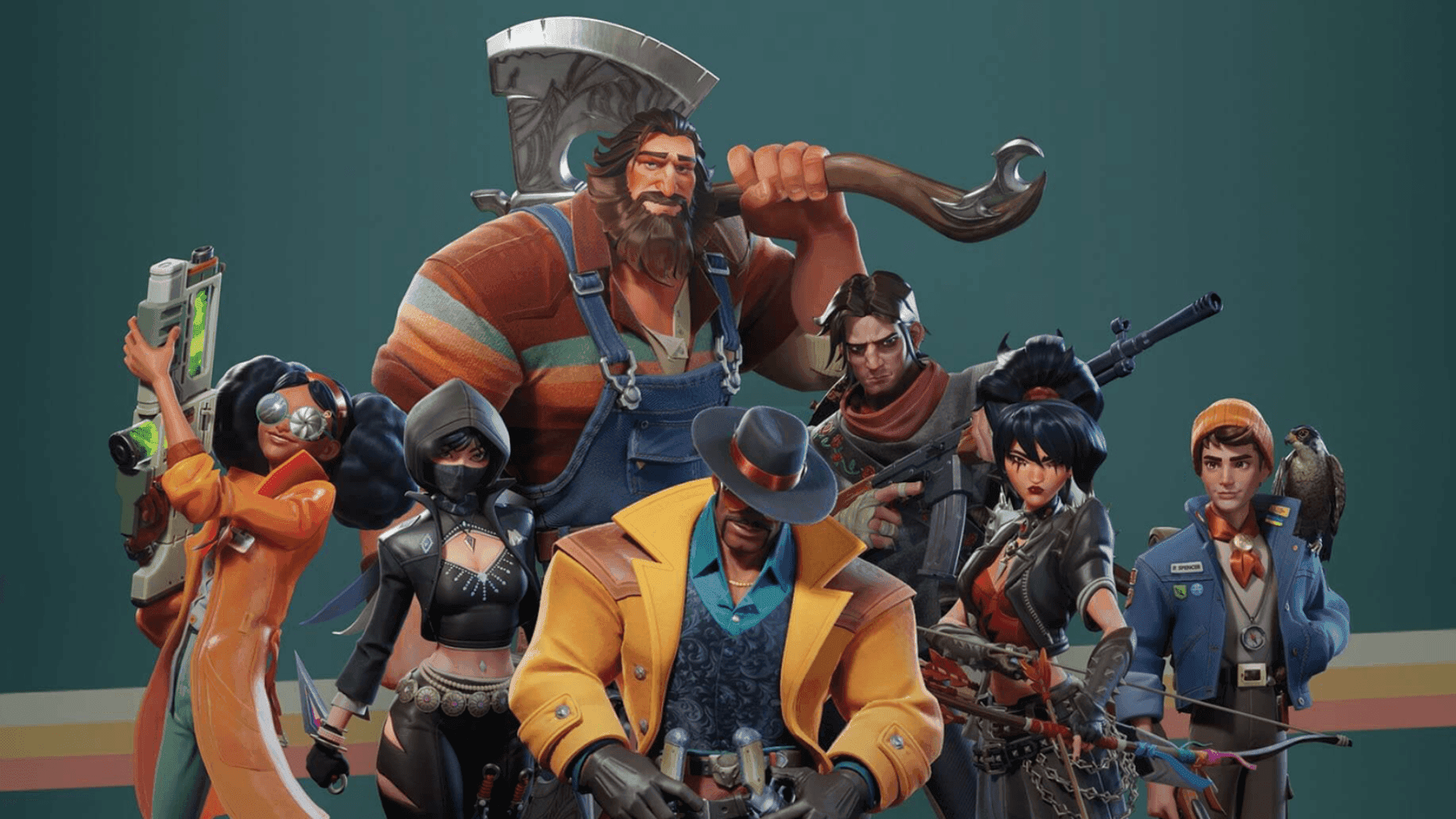
Last Flag draws clear inspiration from iconic multiplayer shooters like Team Fortress 2, Timesplitters, Quake, and Unreal Tournament. These references shaped design choices such as readable silhouettes, varied character types, and a focus on depth over complexity. One example is the inclusion of distinct playable characters, including an axe-wielding Lumberjack, built to be recognizable even in motion or from a distance.
Reynolds noted that while many earlier shooters featured capture-the-flag modes, few leaned into the pure essence of hiding and stealing the flag. Night Street Games aims to return to that foundation while modernizing the format with improved map design, clearer objectives, and audio-forward search cues.
A 1970s Game Show Style with Music at the Center
Last Flag’s setting stands out with its 1970s aesthetic, inspired by spy thrillers and retro game shows. Music plays a major role, with original tracks recorded using real instruments. The game features different songs for flag hiding, match endings, and proximity to the objective. Even losing teams get a dedicated post-round track designed to encourage players to stick around instead of immediately queuing again.
Mac Reynolds’ background in music, including his work as manager for Imagine Dragons, informs the studio’s commitment to sound design. The goal is for audio cues to enhance strategy while also supporting the game’s stylized presentation. The studio has teased a deeper, slightly darker narrative beneath the game-show surface, but much of it will remain under wraps until launch.
A Return to Classic Fun with Modern Multiplayer Design
Last Flag attempts to preserve everything that made capture the flag memorable while enhancing it with modern multiplayer sensibilities. The combination of strategic flag placement, lane control, stealth routes, and distinct sound design creates a competitive environment that values planning as much as moment-to-moment action. With a planned release in 2026, the game presents a fresh take on a format that has shaped generations of multiplayer experiences.
Frequently Asked Questions (FAQs)
What is Last Flag?
Last Flag is a competitive multiplayer game from Night Street Games that modernizes classic capture-the-flag gameplay through strategic map design, radar towers, and creative flag placement.
When will Last Flag be released?
The game is scheduled for release in 2026.
Which platforms will Last Flag be available on?
The studio has not yet announced final platform details.
Is Last Flag focused on shooting mechanics?
Shooting is part of the gameplay, but the core focus is on strategy, stealth, and tactical movement rather than pure gun skill.
How does flag placement work?
Teams have 60 seconds at the start of a match to hide their flag anywhere on their portion of the map, as long as it remains partially visible. After placement, it cannot be moved.
What role do radar towers play?
Radar towers help teams eliminate search zones every 30 seconds, providing useful intel on where the enemy flag is not located.
Does Last Flag include different characters?
Yes, the game features distinct playable characters with silhouettes inspired by classic hero shooters.
What is the setting of Last Flag?
The game takes place within a stylized 1970s game-show environment featuring era-inspired music and visual design.
Is Last Flag competitive or casual?
The game aims to balance both, offering enough depth for competitive play while remaining accessible to casual players.
Why is music emphasized in Last Flag?
Night Street Games integrates real-instrument recordings and audio cues to support the retro atmosphere and help guide players during matches.