
AI tools have come a long way, but most still rely on human prompts and manual control. Kite, a blockchain startup backed by Coinbase Ventures, PayPal Ventures, and General Catalyst, believes the next major shift in technology isn’t about smarter chatbots - it’s about AI agents that can act, plan, and transact independently.
The company calls this vision the agentic internet, a network where autonomous systems - some owned by individuals, others by organizations - can coordinate, pay, and create value without waiting for human approval. In this new landscape, agents don’t just process data; they collaborate and exchange services much like humans do, but on a decentralized network.
Why AI Still Feels Disconnected
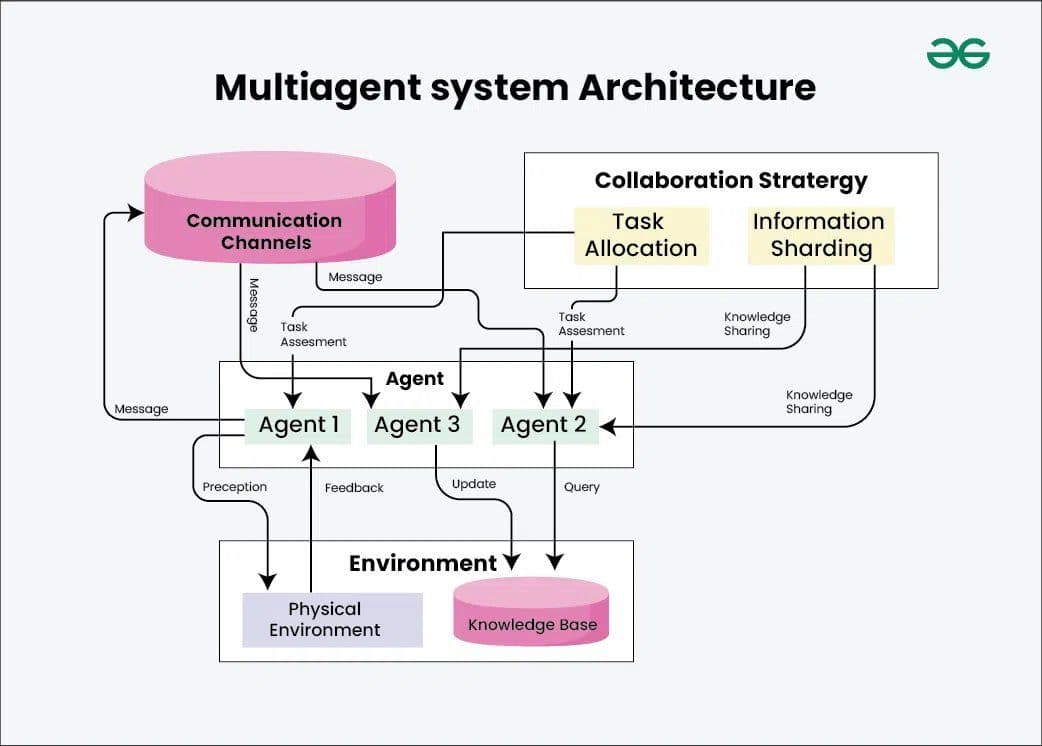
Right now, most AI platforms operate in isolation. Tools like ChatGPT and Claude function within closed environments, often held together by third-party services such as Zapier or Make. This setup allows automation to a point, but it’s limited by a lack of shared identity, trust, and direct value exchange between agents.
Kite describes this as the “handcuffed” stage of AI - where systems can communicate but not cooperate. There’s no universal standard for how AI agents recognize each other, negotiate payment, or verify task completion. This gap is what the company is trying to close.
How Kite’s Agentic Infrastructure Works
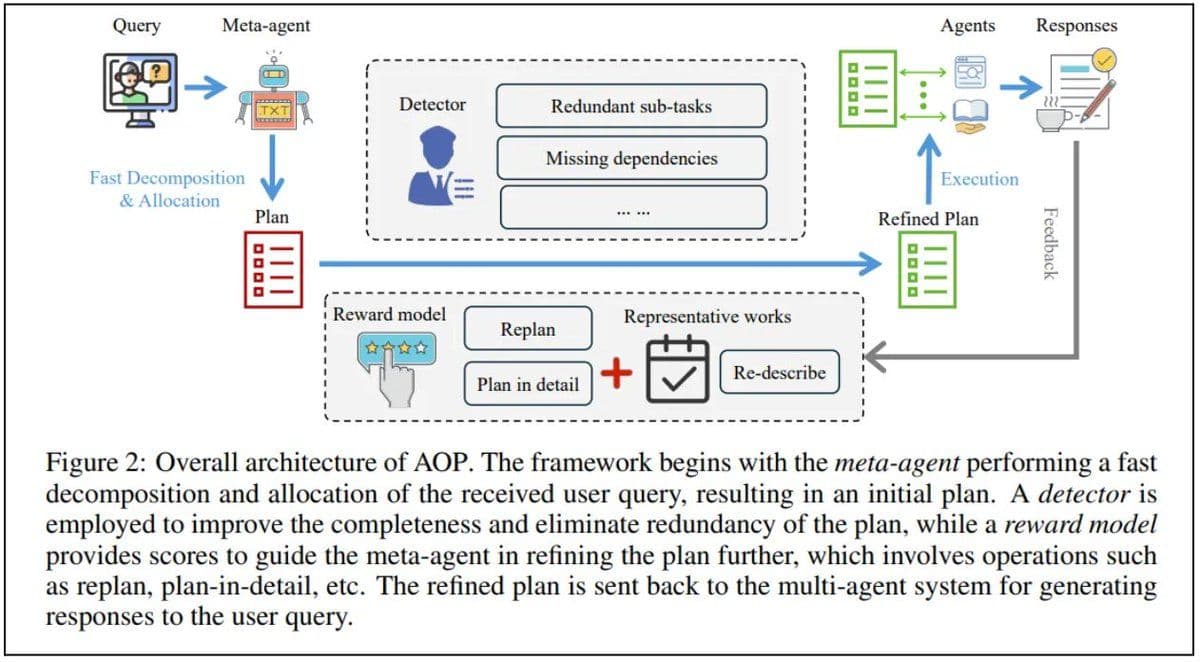
Kite’s solution is a blockchain network that treats AI agents as full participants. Each agent receives an on-chain identity, which serves as a verifiable passport that tracks reputation and trustworthiness. Governance is programmable, allowing for clear rules on what each agent can do, from spending limits to access permissions.
The network also supports low-cost, real-time payments between agents. For example, an AI marketing system that needs new ad copy could find a writing agent, confirm its credentials, send a small payment in stablecoin once the task is completed, and log everything transparently on-chain. The goal is to remove human bottlenecks and let agents interact seamlessly.
The x402 Protocol: Powering AI Payments
Kite’s progress recently gained momentum with a new investment from Coinbase Ventures. The funding will help expand development of the x402 protocol, a standard designed for agent-to-agent payments.
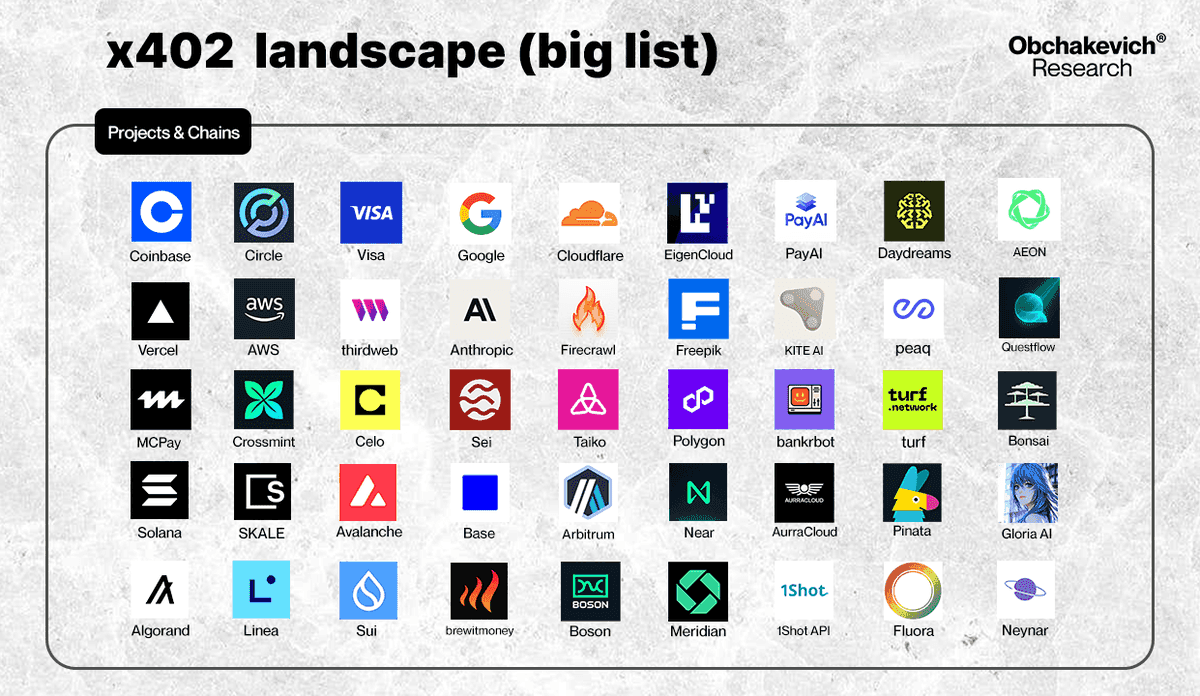
x402 acts as the universal payment language for autonomous agents, allowing them to send, receive, and settle transactions directly without intermediaries. Kite’s blockchain is the first Layer-1 network integrated with x402, serving as both the execution and settlement layer for these interactions. In practice, when one agent pays another for a task, Kite ensures the payment is processed instantly and securely - similar to how Visa handles human transactions.
Why This Technology Matters
For those working in automation, AI operations, or crypto, Kite’s approach could mark a foundational shift. Instead of depending on complex integrations, future systems may consist of networks of agents that manage tasks, hire other agents, and handle payments on their own.
As a16z crypto recently pointed out, AI requires three things to function securely at scale: identity, payments, and provenance tracking. Blockchain provides all three, and Kite’s infrastructure is designed to merge these capabilities in a way that’s transparent and standardized for developers and enterprises alike.
The Future of the Agentic Internet
Kite’s long-term vision echoes how the internet itself evolved. The first era connected people. The second connected data and applications. The next phase will connect intelligent agents capable of independent decision-making and value exchange.
By combining identity verification, governance controls, and on-chain payments, Kite is building the framework for how AI will operate in the decentralized world of web3. The company sees this as the foundation for an open ecosystem where agents collaborate securely and transparently, reshaping how digital systems interact in the years ahead.
Source: TheDream
Frequently Asked Questions (FAQs)
What is the agentic internet?
The agentic internet refers to a decentralized network where autonomous AI agents can communicate, transact, and collaborate without human input, using blockchain technology for trust and verification.
What does Kite do?
Kite is building blockchain infrastructure that gives AI agents on-chain identities, governance systems, and the ability to make payments to other agents, forming the basis of the agentic economy.
What is the x402 protocol?
The x402 protocol is a new standard developed for agent-to-agent payments. It allows AI agents to transfer value automatically and securely, without relying on intermediaries.
Why is blockchain important for AI agents?
Blockchain provides transparency, verifiable identity, and secure payment mechanisms. These features are essential for enabling autonomous AI systems to interact safely and reliably.
Who has invested in Kite?
Kite’s investors include Coinbase Ventures, PayPal Ventures, and General Catalyst. These funds are being used to accelerate development of the company’s blockchain infrastructure and adoption of the x402 protocol.
How could this affect the future of AI?
By enabling agents to transact and collaborate autonomously, Kite’s infrastructure could lead to new kinds of digital economies where AI systems independently manage tasks, payments, and value creation.