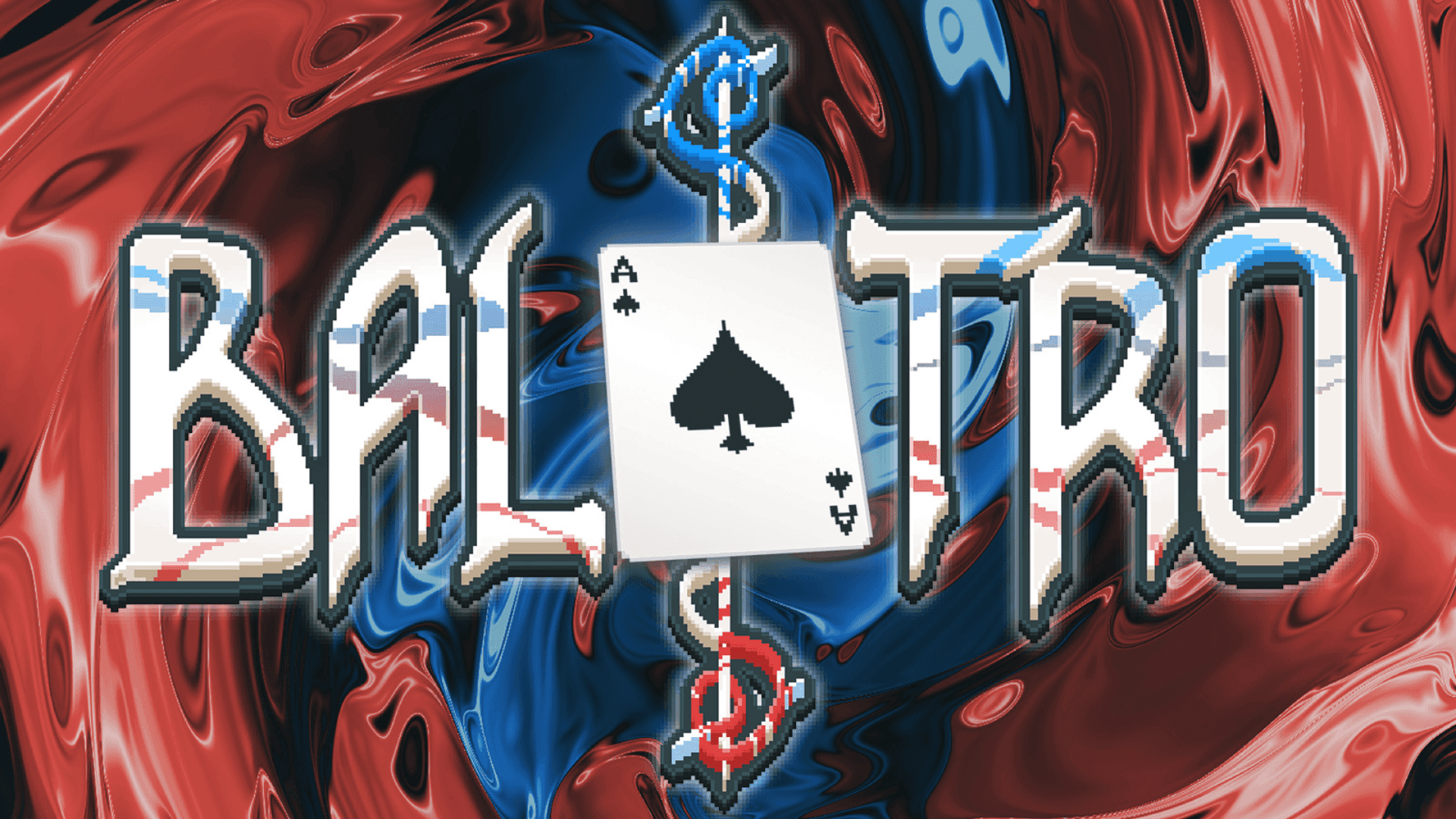
Every few years, the gaming industry gets a reality check. Big studios release sprawling blockbusters backed by massive budgets, and then a small indie project unexpectedly steals the spotlight. In 2024, that game was Balatro - a poker roguelike created by a solo developer from Canada and published by Playstack.
According to Deconstructor of Fun, what began as a small experimental concept turned into one of the most successful indie releases in years. With more than seven million copies sold, Balatro became a case study in how the right partnership, timing, and creative focus can transform a modest prototype into a mainstream hit.
How Balatro Became an Indie Hit
Discovering Balatro: Finding the Spark Before the Hype
Playstack’s approach to scouting new titles relies on curiosity more than checklists. The company’s discovery team doesn’t just attend the usual game expos or browse Steam demos - it actively searches in less visible corners of the internet, including Discord servers, Reddit communities, and small game jam sites.
That’s where they found Balatro, an early version of the game that lacked visual polish but had something rare: a compelling gameplay loop that immediately grabbed attention. In an interview with Deconstructor of Fun, CEO Harvey Elliott recalls that most publishers would have passed on it at that stage. The graphics were simple, and the concept wasn’t fully formed.
But the loop was irresistible - quick to learn, hard to stop playing, and clearly addictive. For Playstack, that feeling was enough. The game didn’t need cinematic trailers or an expansive storyline to prove its worth. It needed to make people play “one more hand.”
How Balatro Became an Indie Hit
Why the Core Loop Still Rules
In an era where many games compete through scale and spectacle, Balatro’s success reinforces a classic design truth: the first minute of gameplay matters more than anything else.
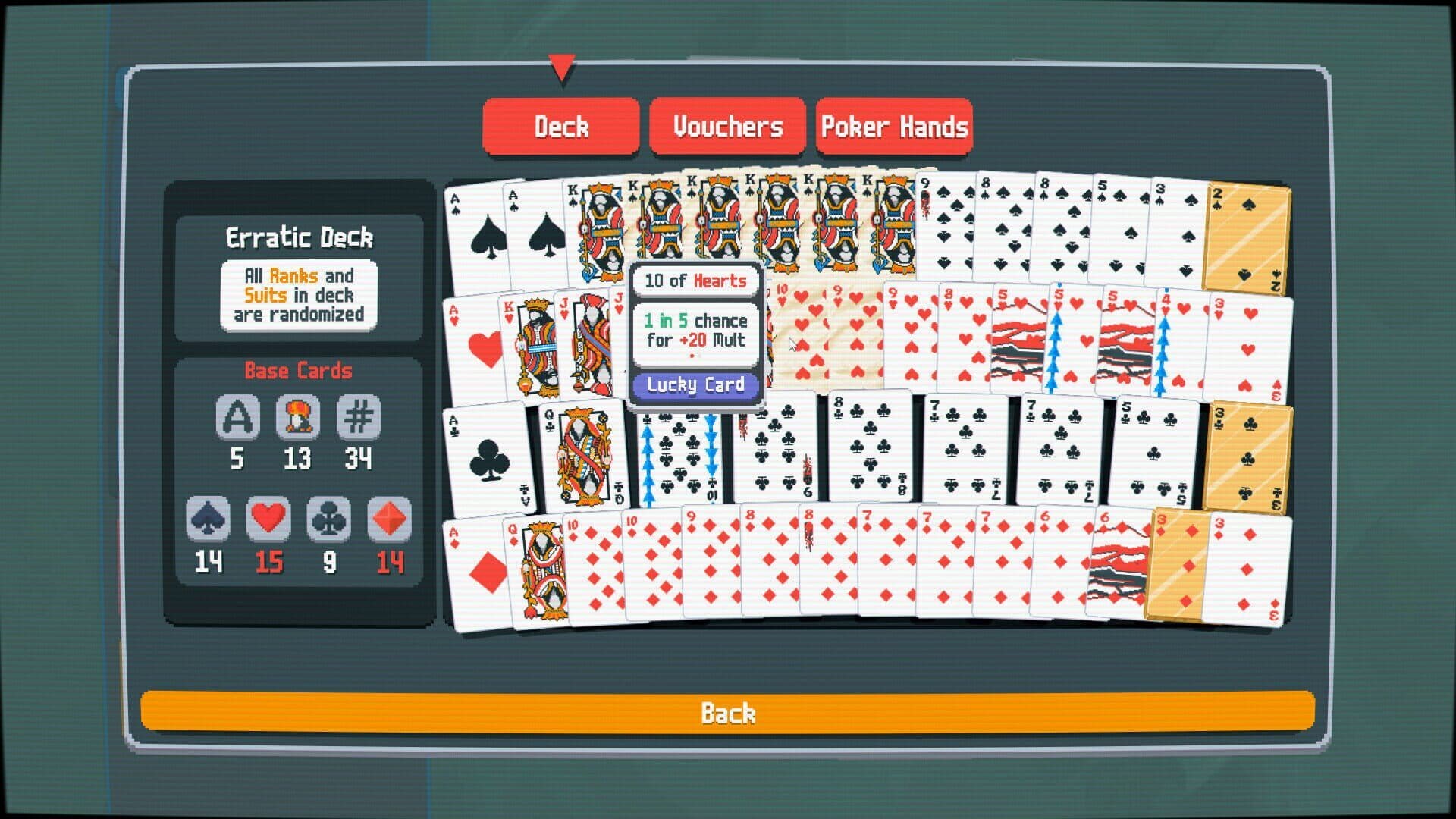
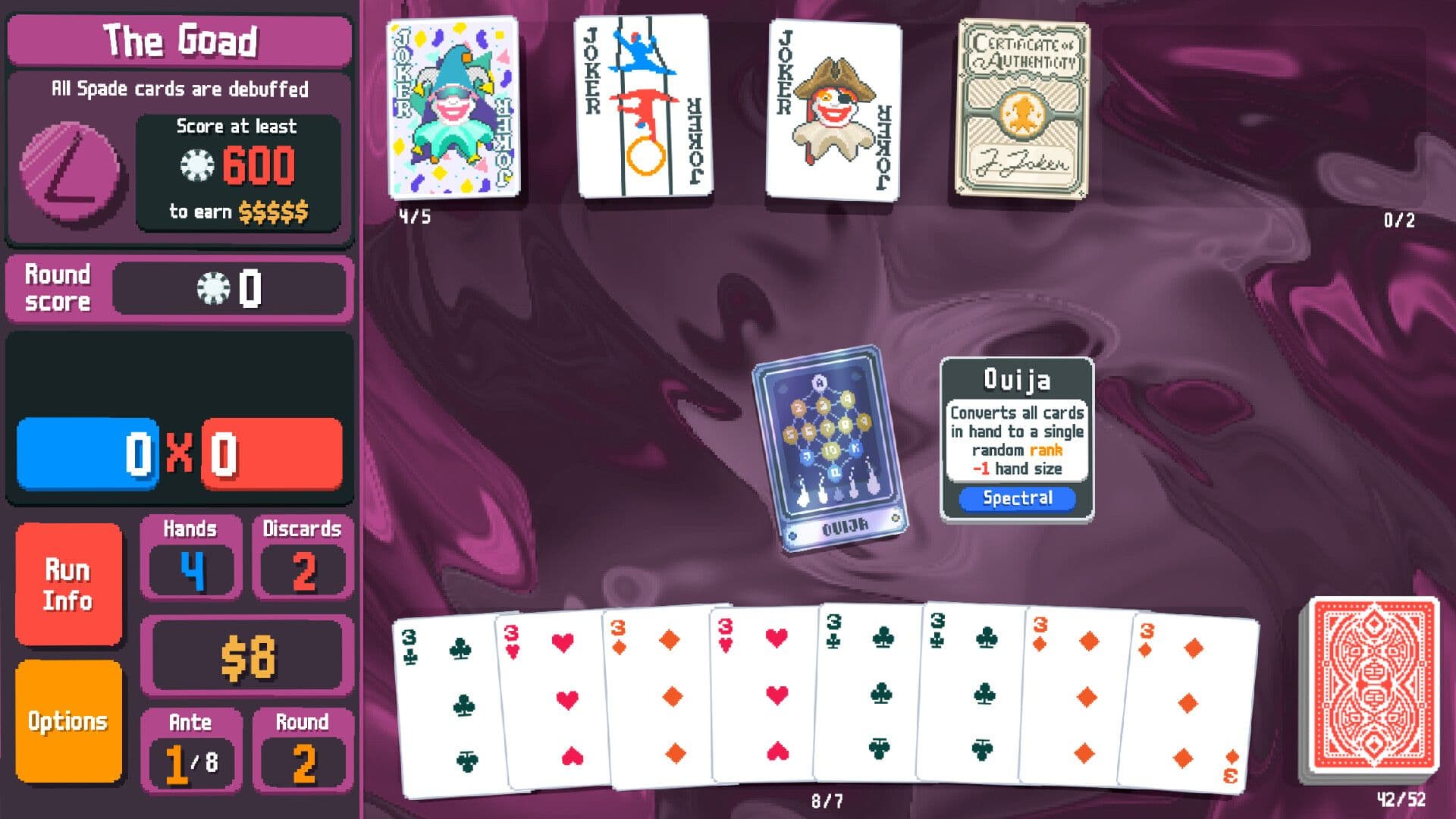
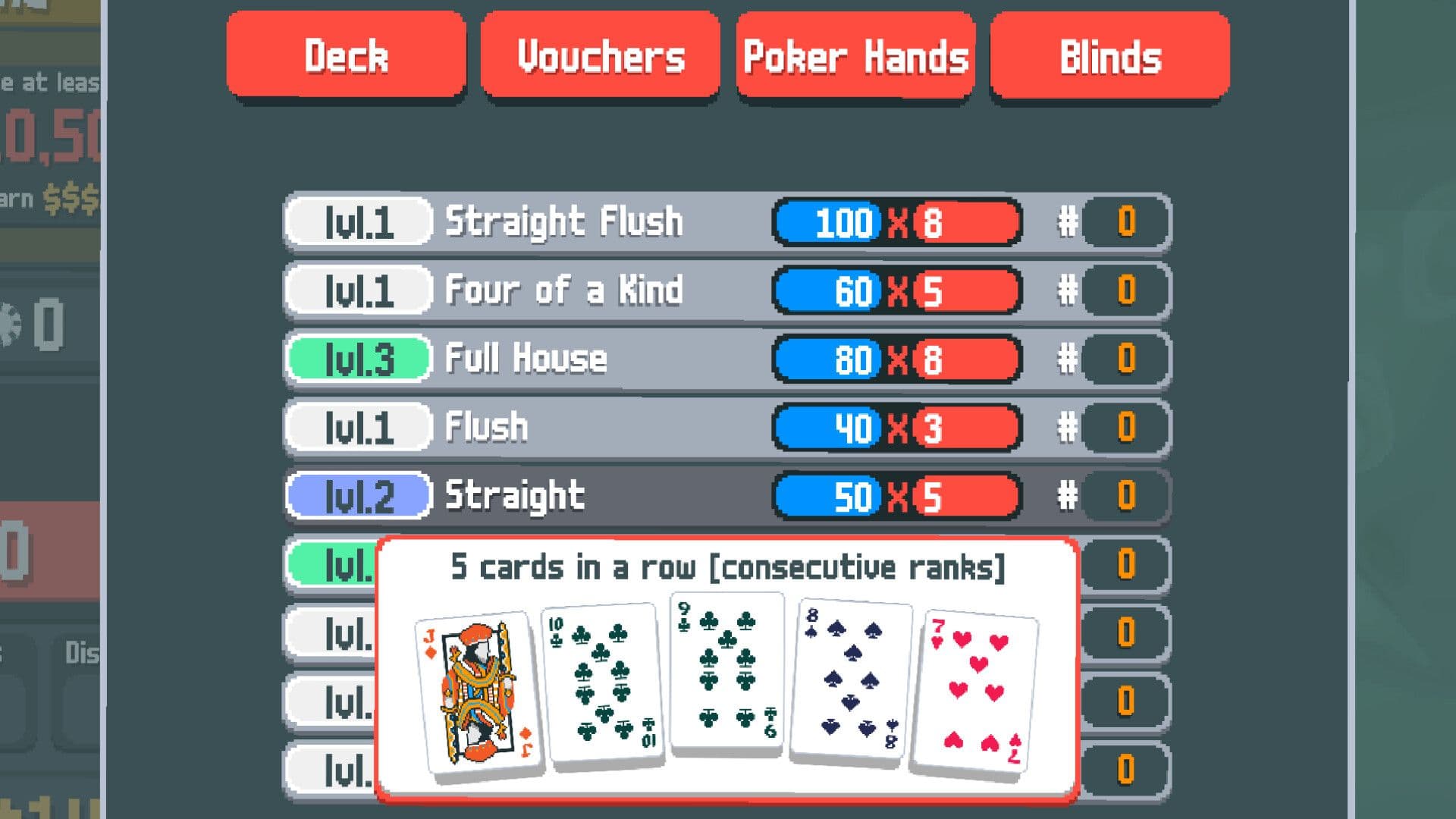
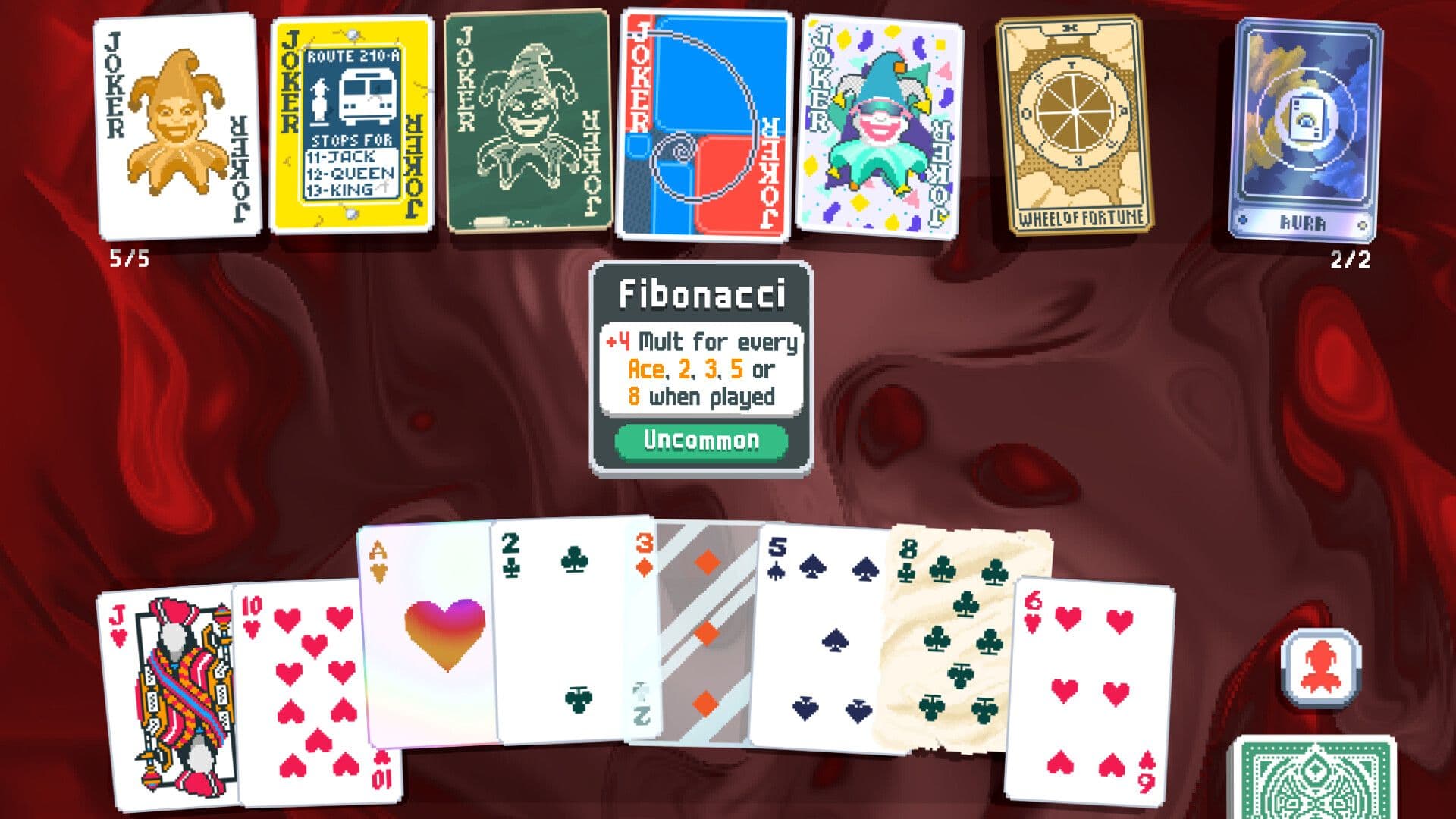
The premise is simple (combine poker mechanics with roguelike progression) but its depth keeps players returning. Anyone who understands poker can start playing immediately, yet the game’s evolving modifiers and jokers add layers of strategy that reward repeat runs.
Playstack recognized that strength early and focused on refining it rather than expanding beyond it. Instead of adding more systems or flashy effects, the publisher and developer worked together to enhance progression and replayability while preserving what made the core loop addictive.
How Balatro Became an Indie Hit
What a Good Publisher Actually Does
It’s easy to wonder why a developer would need a publisher in the digital age, where self-publishing is more accessible than ever. Elliott’s perspective is straightforward: a good publisher amplifies a game beyond what the developer could do alone, without taking creative control.
For Balatro, that meant helping with messaging, community engagement, and visibility across multiple platforms. Playstack also introduced creative crossover content, letting players swap traditional face cards with characters from other indie hits like Vampire Survivors, Dave the Diver, and Among Us.
These crossovers weren’t just cosmetic - they helped Balatro stay relevant in the larger indie ecosystem, creating touchpoints that kept it in conversation across social media and communities long after launch.
How Balatro Became an Indie Hit
Turning Lightning in a Bottle into a Repeatable Process
Some might call Balatro a once-in-a-generation success, but Playstack is focused on turning that success into a process. Elliott describes the company’s real intellectual property as its ability to find and evaluate talent, not just sign games.
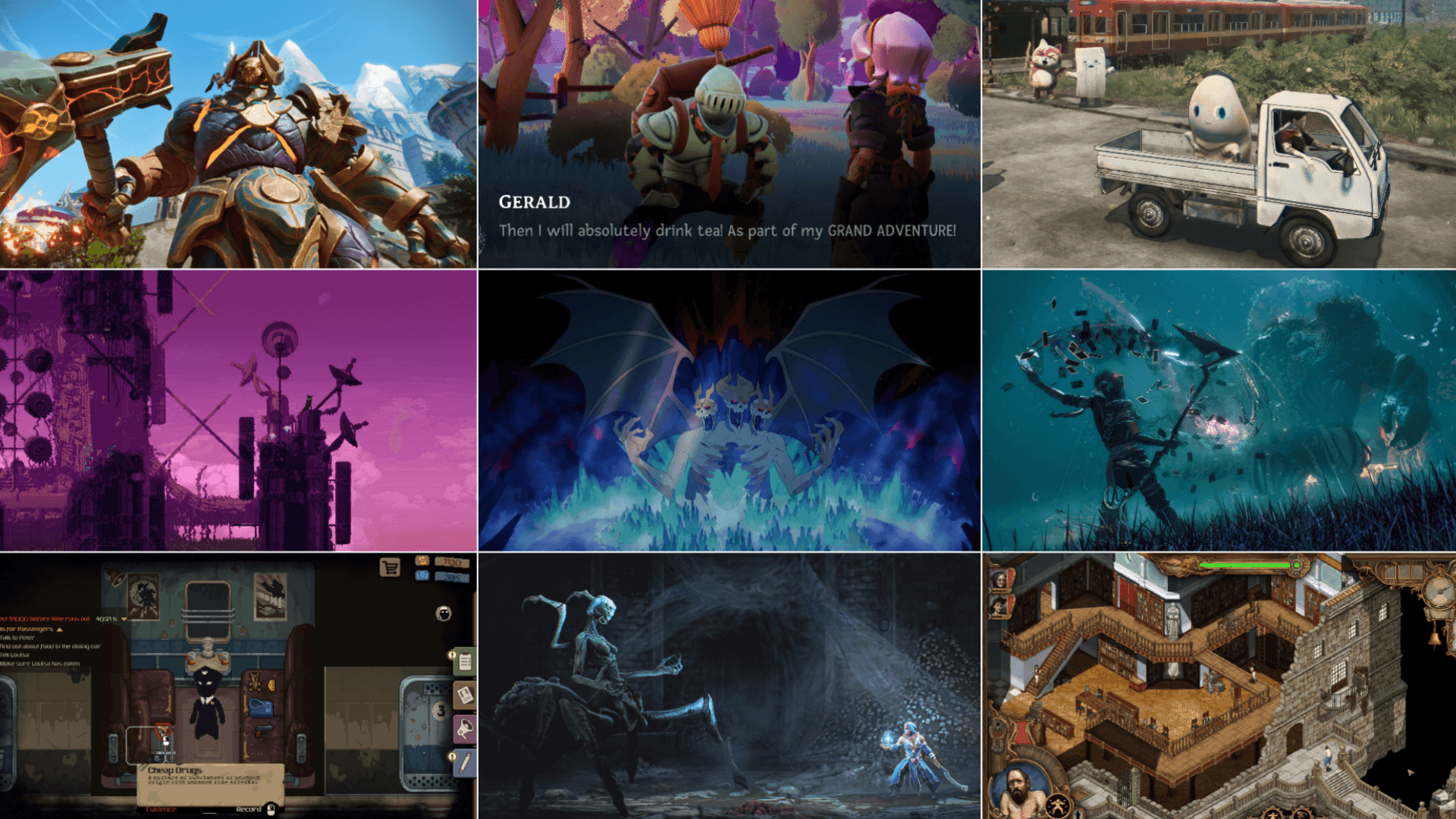
Playstack’s upcoming lineup reflects this mindset, with titles like Mortal Shell 2, Voidbreaker, and Unbeatable showing variety in style but consistency in philosophy. The studio isn’t chasing genres - it’s chasing authenticity and the same kind of strong core that made Balatro work.
That approach seems to be paying off. Most of Playstack’s portfolio has reached profitability, and several titles have built loyal player bases that continue to grow years after release.
How Balatro Became an Indie Hit
What Indie Developers Should Know in 2025
Elliott’s advice to developers entering the indie space is pragmatic. First, determine whether a publisher is necessary. If self-publishing is feasible and the team has the skills to market effectively, it may be the better option. But when creative workload and distribution demands exceed what a small team can handle, a publisher becomes essential.
More important than a royalty split, Elliott says, is understanding what a publisher brings to the table. Developers should talk to other creators who’ve worked with that publisher and learn how they operate during challenges. The best partnerships are based on transparency, trust, and shared goals rather than short-term numbers.
How Balatro Became an Indie Hit
The Future of Indie Publishing
The current indie landscape is crowded. Easier tools, AI-assisted workflows, and widespread digital access have made it possible for small teams to produce high-quality games at an unprecedented rate. However, this surge has also led to saturation, where visibility becomes the hardest battle to win.
At the same time, new publishers have entered the market - some built on genuine experience, others driven by investor funding and minimal infrastructure. For developers, the challenge now isn’t just making a great game, but finding a partner who can make it seen.
Playstack’s approach stands out because it blends discovery discipline with developer-first collaboration. The company doesn’t just look for potential hits - it looks for sustainable creators who can build careers, not just one breakout title.
Enduring Lessons from Balatro’s Success
Balatro may have started as a humble indie experiment, but its trajectory shows what can happen when a publisher recognizes potential early and supports it the right way. It wasn’t luck - it was alignment between a strong creative idea, a focused development process, and a publisher that understood how to scale without interference. In an industry where even good games often struggle for attention, that kind of collaboration may be the most valuable resource of all.
Source: Deconstructor of Fun
Frequently
What is Balatro? Balatro is a poker roguelike indie game developed by a solo creator and published by Playstack. It combines traditional poker mechanics with roguelike elements, offering high replayability and strategic depth.
How many copies has Balatro sold? As of 2025, Balatro has sold over seven million units worldwide, an exceptional figure for an indie release.
Who published Balatro? Playstack, a UK-based publisher known for supporting indie developers, discovered and published Balatro.
Why did Balatro become so successful? Its success is attributed to its simple yet addictive gameplay loop, accessible design, strong community engagement, and Playstack’s effective publishing strategy.
Should indie developers work with a publisher? It depends on the team’s goals and resources. Developers capable of self-publishing and marketing may not need one. However, publishers like Playstack can provide valuable distribution, visibility, and long-term support.
What’s next for Playstack? Playstack’s upcoming projects include Mortal Shell 2, Voidbreaker, and Unbeatable, along with several unannounced titles following its indie-first approach.