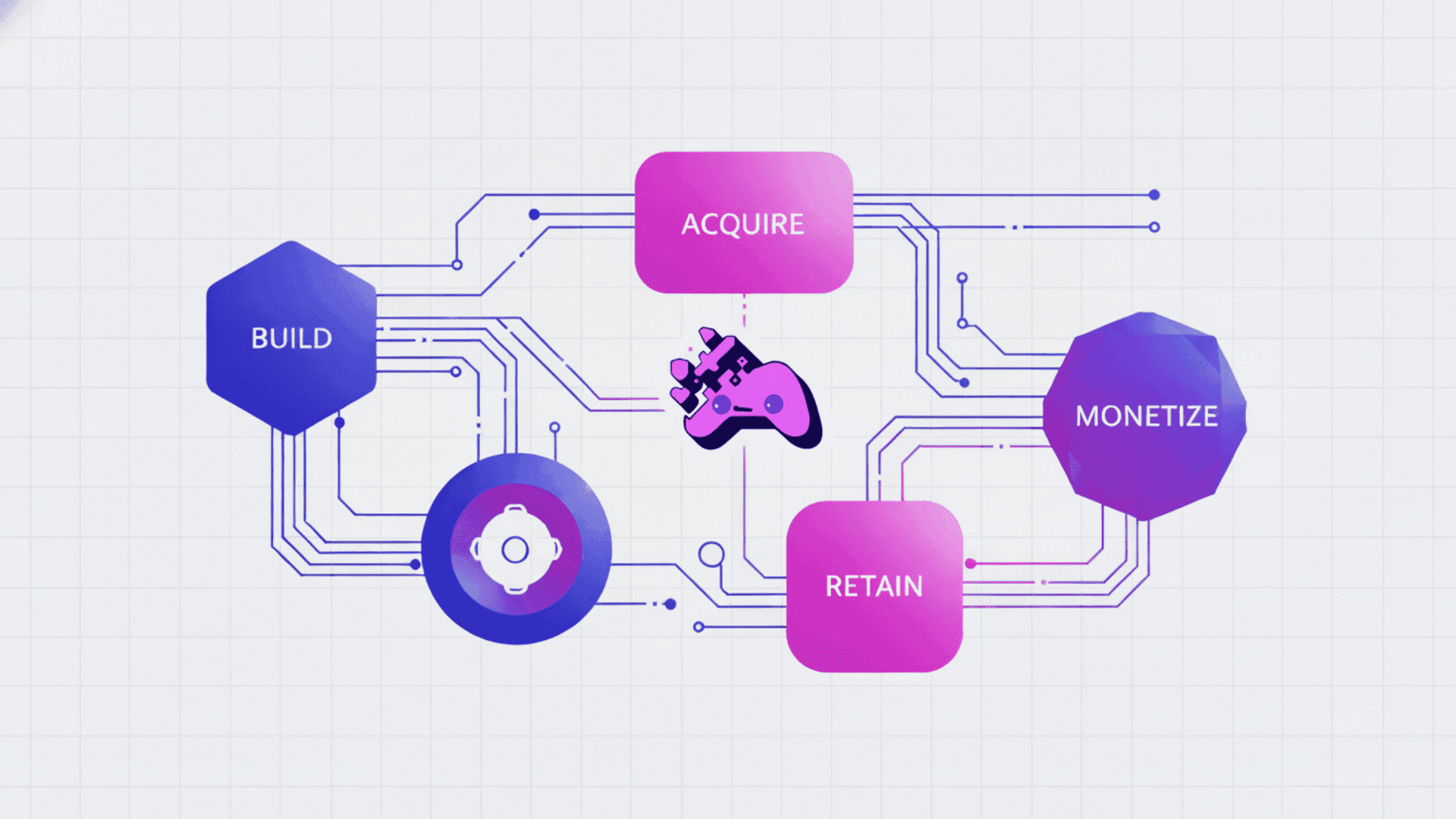

Last month, a four-part masterclass series was recorded at GameAnalytics’ headquarters in Copenhagen with Deconstructor of Fun, offering a detailed look at how data drives decision-making in game development. The series highlights over a decade of experience since GameAnalytics co-founder and CEO Morten Wulff first pitched the company in 2013, emphasizing the belief that analytics should be a core part of the game development process rather than an afterthought.
In live-operated games, data is critical not just for optimization or reporting but for understanding reality. The speed at which a studio can detect trends, interpret insights, and act on them often determines whether a game succeeds or fails. Analytics serves as the studio’s nervous system, allowing teams to make informed decisions, minimize waste, and respond effectively to player behavior.
Building a Foundation: Data Maturity First
The series makes clear that effective analytics begins with simplicity and discipline rather than complex models or extensive dashboards. Successful studios focus on a limited number of tracked events, enforce clear naming conventions, and establish strong feedback loops. The primary purpose of analytics is to reduce decision latency and create alignment across teams, so that product, user acquisition, and leadership all share a consistent understanding of the same data.
Advanced tools like predictive modeling and AI-powered analysis only become valuable once this foundational maturity exists. AI is not replacing analysts but enhancing their work, allowing them to focus on interpreting insights, framing decisions, and guiding teams toward the most critical actions. Studios that achieve this balance can respond faster and make more informed choices than competitors relying solely on surface-level data.
Understanding Market Dynamics and Player Acquisition
Marketability in games is more than a simple cost-per-install metric. The masterclass emphasizes viewing acquisition as a system that evolves through multiple stages, including prototyping, soft launches, and scaling. Early testing evaluates raw appeal, while soft launches measure retention and player behavior. Scaling introduces additional complexity, requiring analysis of channel performance, lifetime value, and cost efficiency across different regions.
The ability to interpret these results often distinguishes experienced studios from others. Teams familiar with a genre can anticipate long-term player value even when initial data appears unclear. Less experienced teams benefit from analyzing successful market patterns and creative approaches in order to make informed decisions about player acquisition and content strategy.
Retention Through Expectation Management
Retention is closely tied to how well a game fulfills the expectations set during acquisition. Early player loss is often a result of a mismatch between the advertised fantasy and the actual gameplay experience, rather than flaws in features or mechanics. Aligning creative messaging, first-session pacing, and game design ensures that players experience what they were promised, which directly supports early retention rates.
As games mature, retention strategies shift to focus on depth and engagement, with systems, content pacing, and community features playing a larger role. AI-driven tools allow personalization, adaptive difficulty, and tailored content delivery, helping studios meet players where they are and maintain long-term engagement. The combination of clear expectations and ongoing adaptation creates a more stable and loyal player base.
Monetization That Aligns With Player Behavior
Monetization in successful games is not simply an add-on to gameplay; it emerges from a deep understanding of player motivations, progression, and engagement patterns. Effective monetization requires segmenting players based on behavior and needs, and then offering tailored rewards or incentives that match those patterns.
Studios that track early indicators of revenue instability, such as declining LTV or offer fatigue, can adjust systems before broader economic issues arise. By viewing monetization as a living system that interacts with engagement and retention, teams can create sustainable revenue streams without disrupting the player experience. Games that engage players effectively provide the conditions for monetization to succeed naturally.
The Role of AI and Analytics in Modern Game Development
Across all aspects of game development, AI is shifting the role of analysts from data operators to decision architects. Automation handles routine tasks such as queries and pattern detection, allowing human teams to focus on interpreting results, validating hypotheses, and aligning decisions across the studio. This approach amplifies the impact of data and reduces latency between insight and action, giving studios a competitive edge in live game operations.
Conclusion
The Game Analytics Masterclass series offers a detailed view of how studios can build, retain, and monetize games using disciplined data practices, AI insights, and a player-focused approach. By prioritizing clarity, alignment, and system-level thinking, studios can make more informed decisions, maintain player engagement, and create sustainable revenue. GameAnalytics’ collaboration in producing this series highlights the growing importance of knowledge sharing and analytics in shaping the modern gaming industry.
Source: Deconstructor of Fun
Frequently Asked Questions (FAQs)
What is the Game Analytics Masterclass?
It is a four-part series recorded at GameAnalytics’ Copenhagen headquarters, providing guidance on using analytics, AI, and data-driven decision-making in game development.
Why is data maturity important for game studios?
Data maturity ensures that teams across product, acquisition, and leadership can consistently interpret information, reducing decision latency and improving overall game performance.
How does AI impact game analytics?
AI automates repetitive tasks such as querying and pattern detection, allowing analysts to focus on interpreting insights and guiding critical decisions.
What factors influence player retention?
Retention is influenced by alignment between acquisition messaging, first-session gameplay, and the ongoing depth and personalization of content.
How should studios approach monetization?
Effective monetization aligns with player behavior and engagement patterns. It requires segmentation, early detection of revenue risks, and integration with overall gameplay to sustain long-term profitability.
Is web3 relevant in modern game analytics?
While not a primary focus, web3 technologies can be integrated into analytics frameworks to track player behavior, ownership, and engagement in decentralized gaming ecosystems.