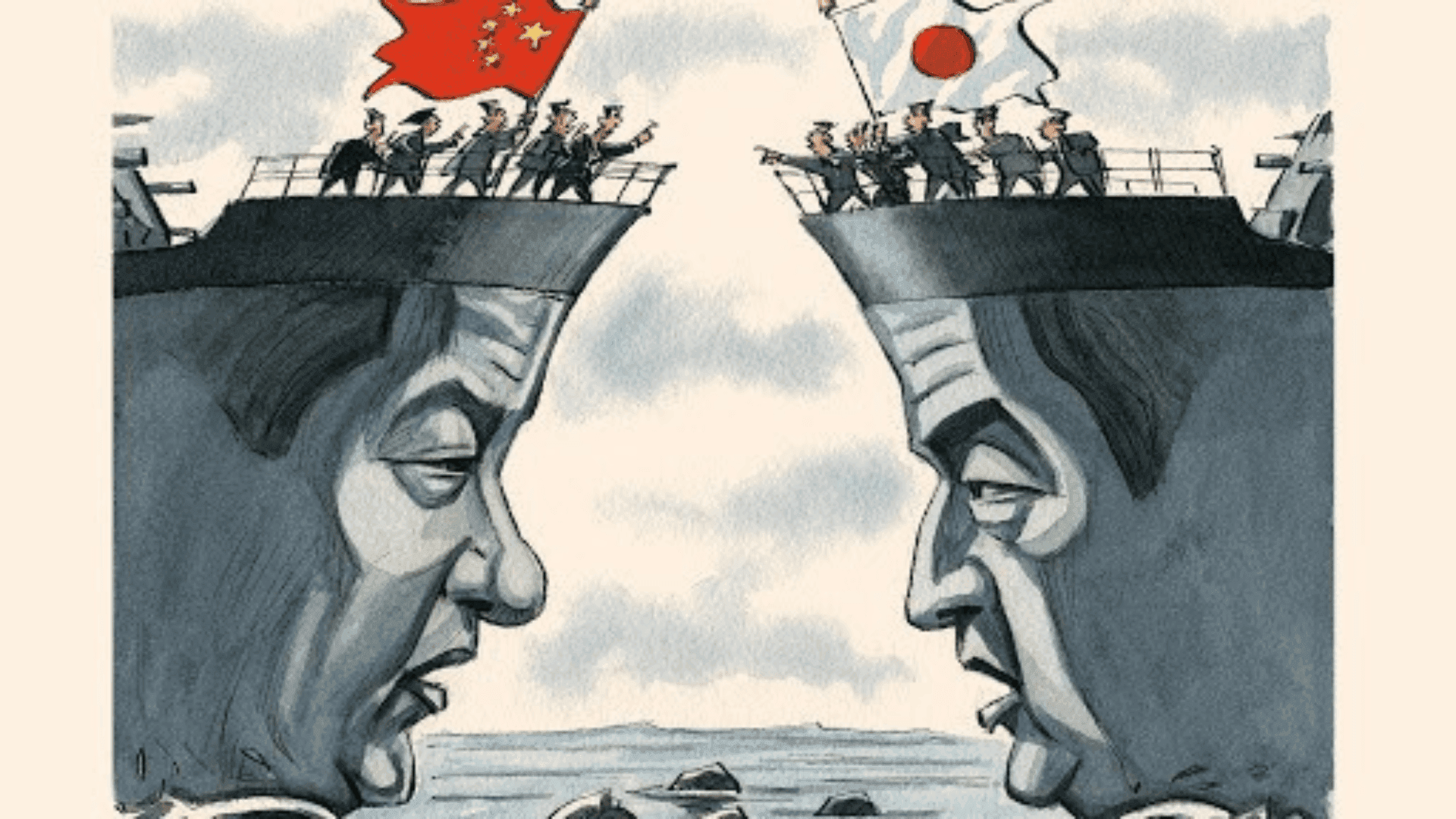

Rising tensions between China and Japan are prompting new discussions within the gaming sector as publishers assess whether ongoing diplomatic strain could eventually affect the approval pipeline for foreign titles. The situation escalated after Japanese Prime Minister Sanae Takaichi indicated that Tokyo could consider military intervention if China moved toward reunification with Taiwan. China’s foreign ministry objected to the statement and reiterated its position that countries with diplomatic ties to Beijing must not officially recognize Taiwan.
This dispute has already expanded beyond political statements. China issued travel advisories that resulted in flight cancellations to Japan, suspended imports of Japanese seafood, and paused approvals for new Japanese films. These actions highlight how quickly cross-border industries can be drawn into geopolitical friction.
How the Tensions Connect to Game Approvals
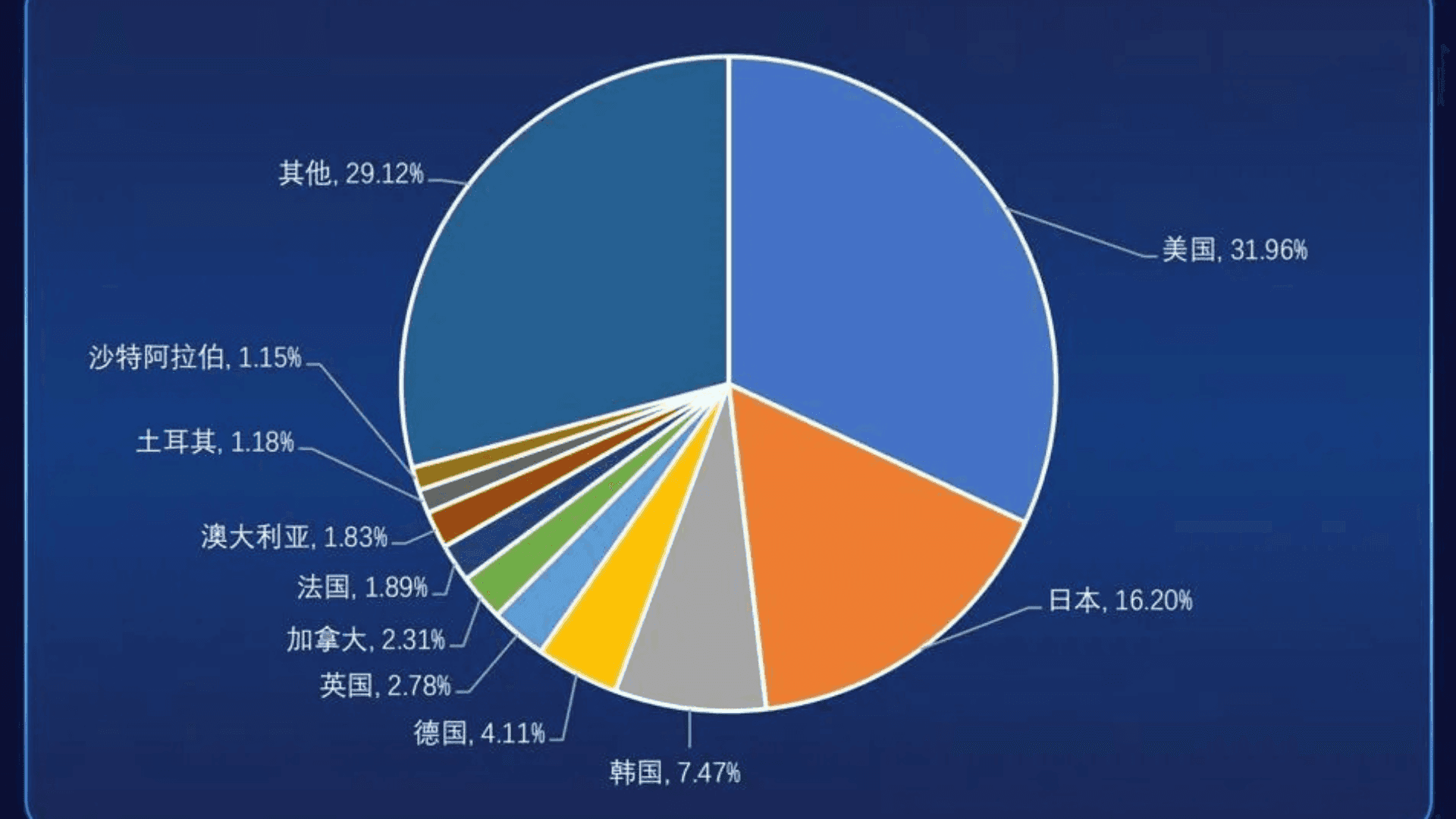
While China’s National Press and Publication Administration has not signaled any intention to restrict Japanese games, the industry’s exposure is significant. Japan is China’s largest source of foreign game approvals, accounting for about 30 percent of licensed imports over the last two years. At this time, there are no delays, freezes, or public boycotts targeting Japanese titles in China.
Past precedent, however, shows that entertainment sectors can be affected rapidly when political conditions shift. During the THAAD dispute between China and South Korea from 2017 to 2023, Korean games faced a years-long approval freeze. Industry analysts note that a similar move toward Japanese titles would have immediate consequences for publishers relying on China’s large player base.
What It Means for Developers and Publishers
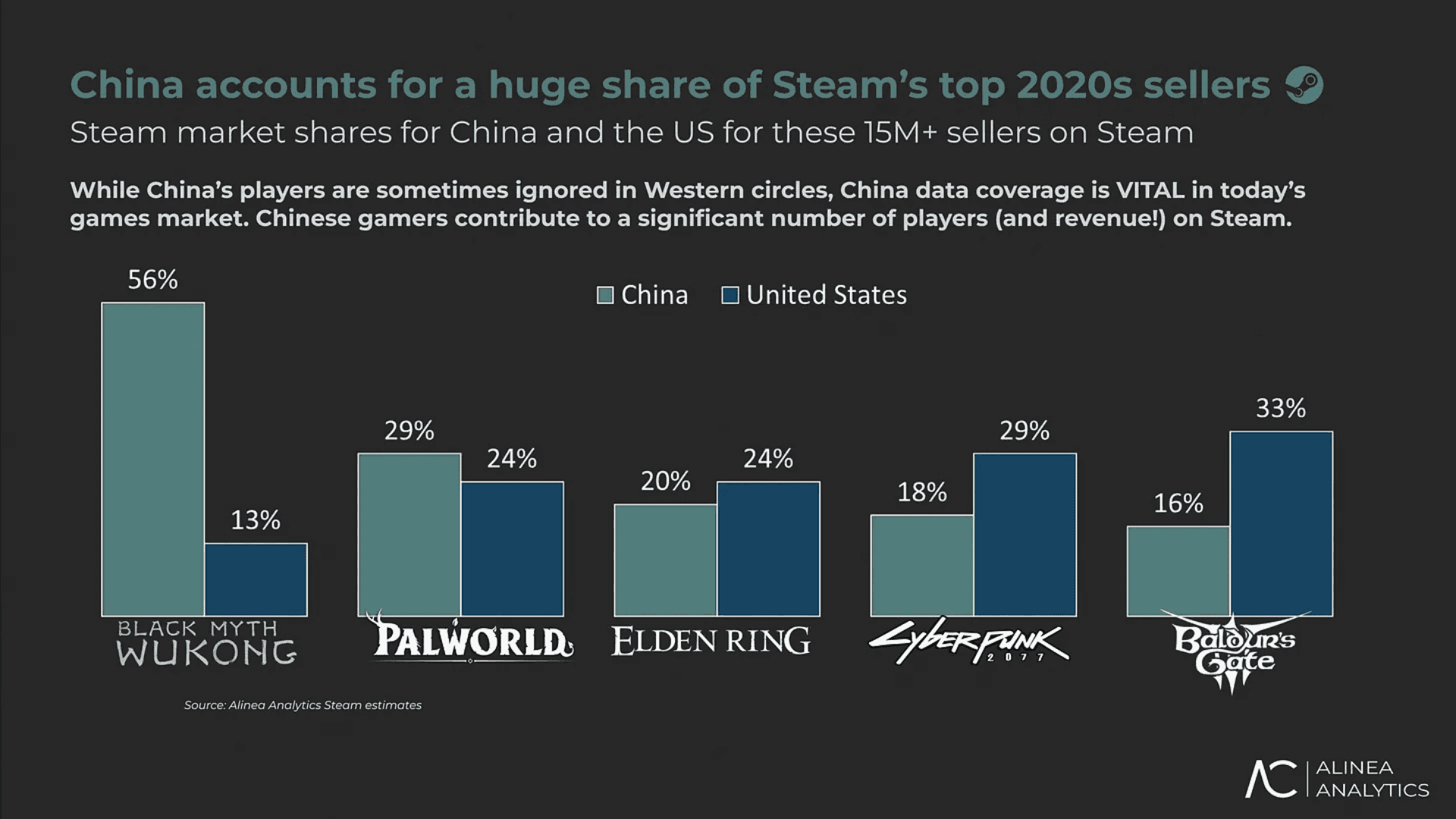
Publishers are keeping a close watch on any changes to China’s regulatory environment. Many Japanese studios have deep commercial ties in the region, ranging from mobile and console releases to collaborations involving web3 projects. Any slowdown or freeze in foreign game approvals would disrupt schedules and limit market access at a time when competition in China’s gaming space is growing.
For now, China maintains its regular approval process, and Japanese games continue to be licensed without public issue. Still, companies are preparing for the possibility that a prolonged diplomatic standoff could influence future decisions.
Frequently Asked Questions (FAQs)
Could China restrict Japanese video game approvals?
There is no current indication of new restrictions, but the industry is monitoring the situation due to political tensions.
Why are China–Japan relations affecting entertainment sectors?
Political disputes often extend into cultural and economic areas, as seen with travel advisories, import suspensions, and halted film approvals.
Has a similar situation happened before in gaming?
Yes. Korean games experienced a multi-year approval freeze during the 2017–2023 THAAD dispute.
Are any Japanese games delayed or banned in China right now?
No. All available information suggests approvals are continuing normally.
Why does Japan matter so much to China’s game market?
Japan is the largest source of imported games in China, making up roughly 30 percent of foreign approvals in recent years.