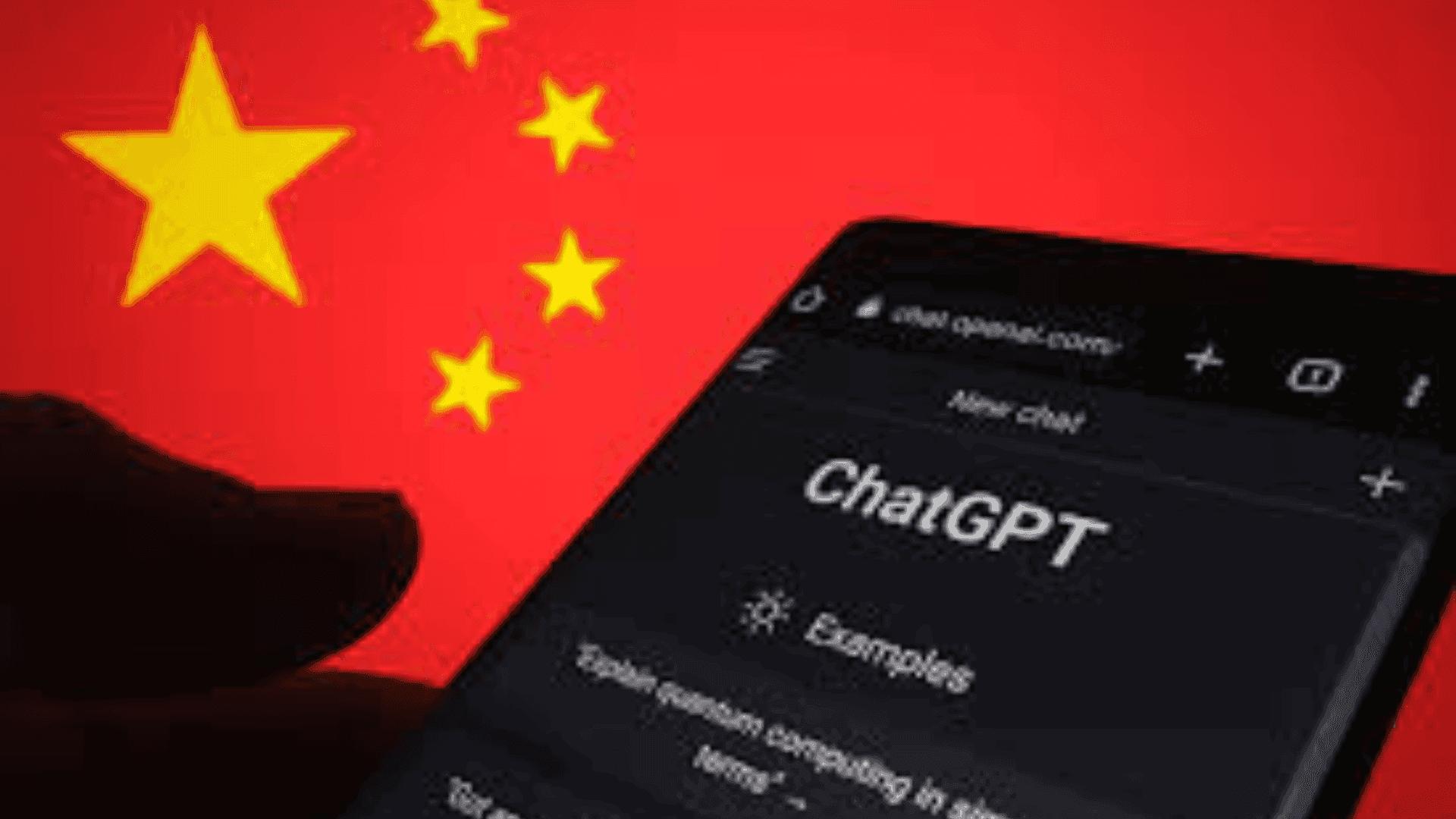

China is proposing new regulations for the generative AI (gen AI) sector, signaling closer oversight of emerging technologies that simulate human interaction. The proposed rules, issued by the Cyberspace Administration of China (CAC), target applications that generate text, images, audio, video, or other content mimicking human communication, personality traits, or emotional expression. The regulations are aimed at ensuring consumer safety and reducing risks associated with AI-driven services.
Content Restrictions and User Safety
Under the proposed regulations, AI-generated content must avoid threatening national security, undermining Chinese values, or defaming individuals. Content promoting obscenity, gambling, violence, or crime is also prohibited. Additionally, services that mislead users with false promises, encourage harmful behaviours, or damage social relationships are subject to restrictions. Special attention is given to preventing content that could harm users’ physical or mental health, including encouraging self-harm or suicide. In such cases, human intervention is required to contact a user’s guardian or emergency services.
Minors and AI Interaction
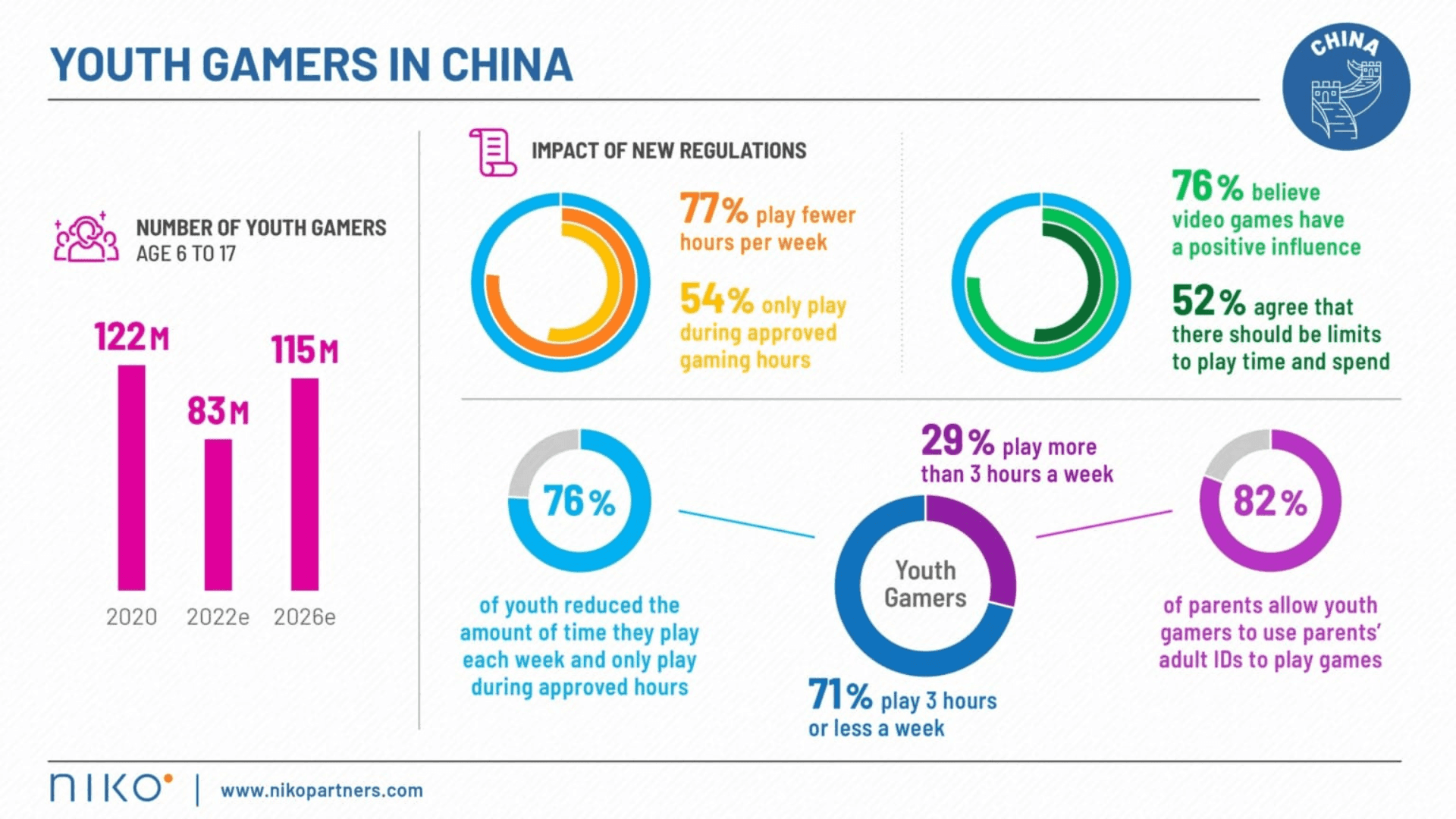
The rules also address the use of AI technology by minors. Companies are required to obtain consent from a guardian before allowing children to interact with generative AI systems. The regulations make it clear that AI services should not aim to replace social interaction, influence user psychology, or induce addictive behaviour. Companies must provide clear warnings to users who may be overly reliant on AI, and notifications should make it evident that they are engaging with an AI rather than a human.
Industry Feedback and Next Steps
The CAC has set a deadline of January 25, 2026, for public feedback on the proposed regulations. The initiative highlights China’s growing focus on regulating emerging technologies and maintaining consumer protection in the generative AI and broader tech sectors. Companies operating in the region are expected to adjust their practices to comply with these upcoming requirements, especially for consumer-facing AI applications.
Frequently Asked Questions (FAQs)
What is generative AI?
Generative AI refers to technology that can produce content, such as text, images, audio, or video, by simulating human communication styles, personality traits, and emotional responses.
Why is China regulating generative AI?
China is introducing regulations to protect users, prevent harmful content, safeguard national security, and manage the social and psychological effects of AI technologies.
Are minors allowed to use AI services in China?
Yes, but only with consent from a guardian. The proposed rules require parental approval for minors interacting with generative AI.
What types of content are prohibited under the new rules?
Content that threatens national security, insults or defames others, promotes obscenity, gambling, violence, or crime, or harms physical or mental health is prohibited.
When will the regulations take effect?
The public feedback period ends on January 25, 2026. Final implementation dates will depend on the review of responses and official announcements.
Do these rules affect web3 applications using AI?
Yes, any AI-powered consumer-facing applications, including those in the web3 space, must comply with the regulations if they are accessible to users in China.