
Anichess, the web3 chess-based strategy game developed by Animoca Brands in collaboration with Chess.com, has officially announced the launch of its $CHECK token. Scheduled to go live on November 12 at 7 PM ET, $CHECK will serve as the foundational currency for the Checkmate Ecosystem. The token is designed to connect gameplay, content creation, and governance into a single digital economy that rewards skill, strategy, and creativity.
The Checkmate Ecosystem positions $CHECK as the core “Strategy Token,” supporting both competitive and creative participation across multiple applications. Anichess is the first project to integrate the token, allowing players to enter skill-based tournaments, stake for in-game rewards called Mate Points (M8), participate in governance decisions, and access additional token-gated features. Future titles, including the chess-inspired roguelike King’s Gambit, are expected to expand the ecosystem and introduce web2 players to the platform.
Anichess Announces In-Game Tokenomics
Within Anichess, $CHECK will operate as both a currency and a reward mechanism. Players can use the token to enter ranked events, tournaments, and competitive arenas where rewards are determined by verified performance rather than participation volume. Staking $CHECK grants Mate Points, which provide progression bonuses, exclusive cosmetics, and access to higher reward tiers, offering players a way to measure in-game commitment and prestige.
Beyond gameplay, $CHECK is intended for creators and educators to publish generative AI projects and educational content. Community members can vote on these submissions, awarding tokens based on merit. The token also provides access to collectibles, token-gated experiences, and NFT assets tied to in-game achievements or special events.
Governance is another key feature, with holders participating in Checkmate Improvement Proposals (CIPs) to guide ecosystem decisions, from partnerships to funding allocation. Governance is expected to evolve from team-led oversight to a DAO Council model, supporting community-driven management over time.
The infrastructure of the Checkmate Ecosystem includes three main layers: the Digital Passport, which tracks achievements and player history on-chain; the Asset Framework, defining both fungible and non-fungible assets; and the Data Registry, maintaining transparent records of matches, rankings, and governance activity.
Player Rewards and Kaito Launchpad
The $CHECK token has a total supply of one billion tokens, with a significant portion allocated toward growing the community and supporting the ecosystem. Player rewards account for over a third of the supply, vesting gradually after an initial release at token generation. Additional allocations include ecosystem development, investor and team distribution, liquidity, operational expenses, advisors, and the Kaito Launchpad. Some allocations are fully unlocked at launch, while others follow cliff and vesting schedules ranging from months to several years.
These tokenomics aim to balance immediate usability with long-term sustainability, ensuring that $CHECK supports both early participants and the broader growth of the ecosystem.
Role of Magnus Carlsen and Anish Giri
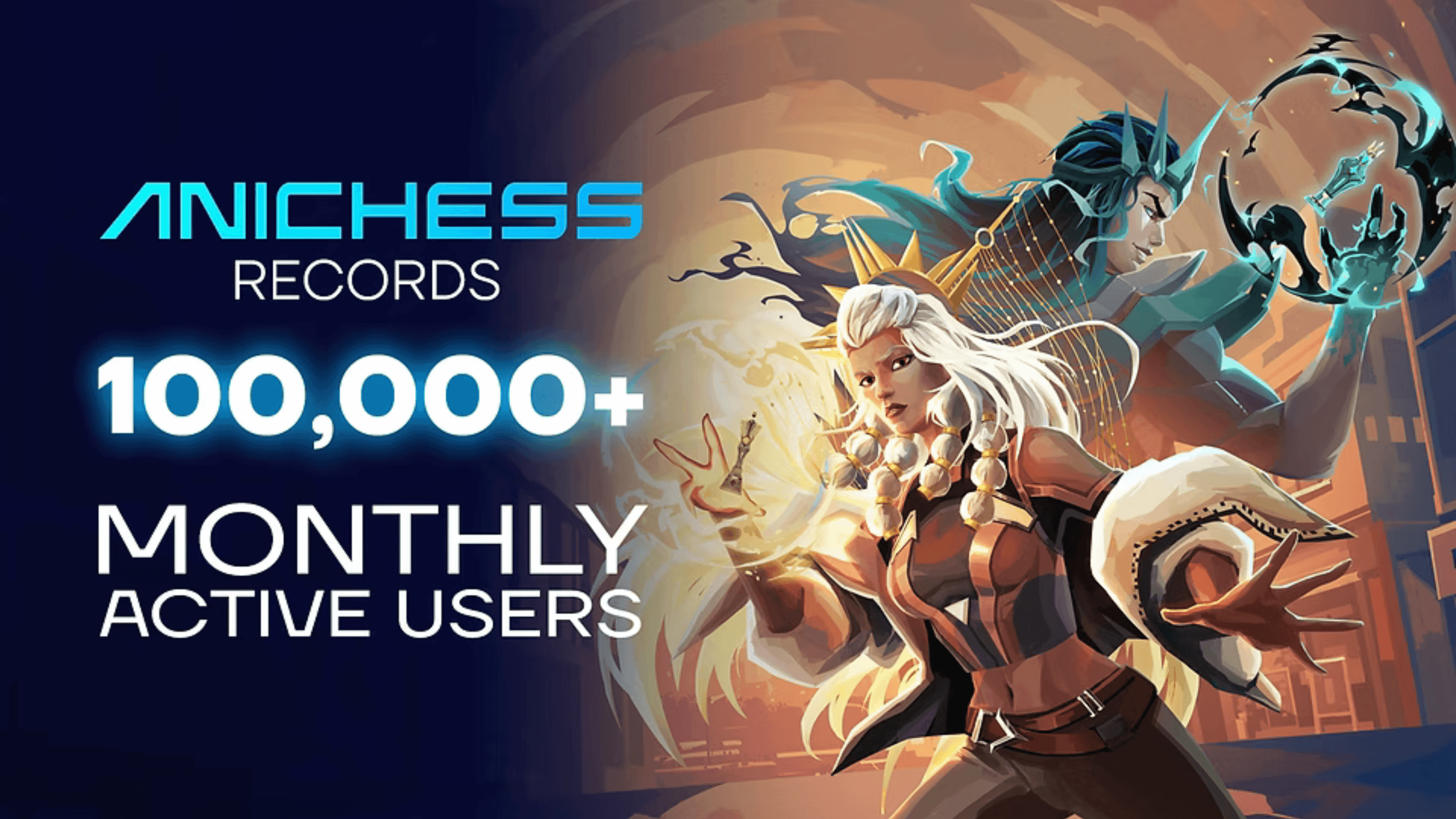
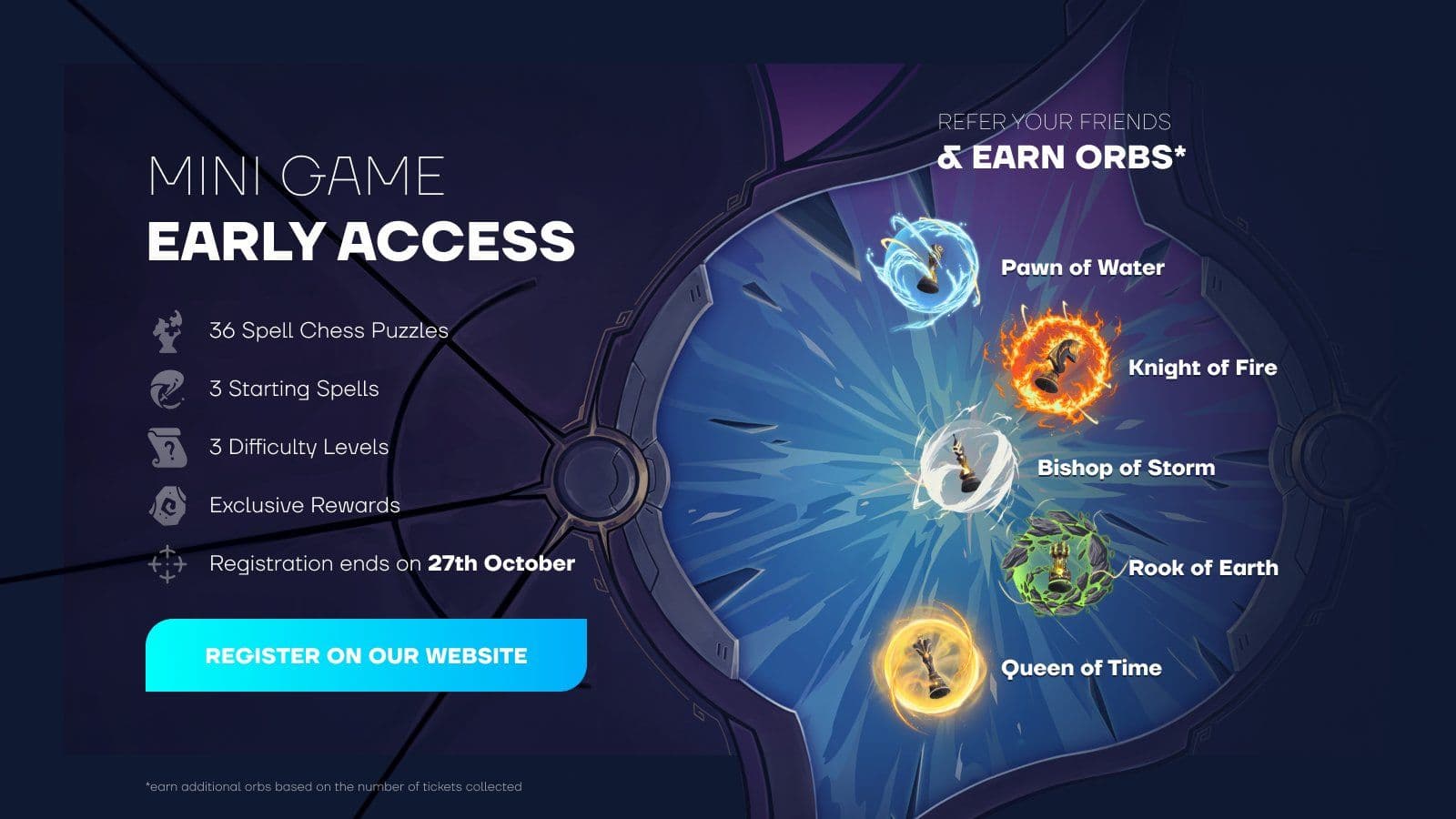
Anichess, the first live title in the Checkmate Ecosystem, combines classical chess strategy with spell-based mechanics and NFT ownership. Players can modify gameplay with spells and power-ups, introducing new layers of strategy to traditional chess. Since its early access launch, Anichess has attracted over 340,000 players, with around 100,000 monthly active users and more than six million minutes of gameplay. Notable professional players such as Magnus Carlsen and Anish Giri have engaged with the platform, signaling its potential as a competitive web3 esport.
$CHECK integration will gradually expand across the game, with additional utility expected as new projects join the Checkmate Ecosystem. King’s Gambit, the next title, is planned as a roguelike chess survival game that merges casual and strategic gameplay. It is set to launch on web and mobile platforms, providing an entry point for web2 players while expanding the ecosystem’s reach.
Frequently Asked Questions (FAQs)
When will the $CHECK token launch?
The $CHECK token is scheduled to launch on November 12 at 7 PM ET.
What is the main purpose of $CHECK?
$CHECK serves as the primary currency and reward system within the Checkmate Ecosystem, supporting competitive gameplay, content creation, token-gated experiences, and governance participation.
How can players earn Mate Points (M8)?
Players can earn Mate Points by staking $CHECK. These points unlock progression bonuses, exclusive cosmetics, and higher reward tiers in Anichess.
What types of projects can use $CHECK in the ecosystem?
Creators and educators can publish generative AI projects, educational content, and other community-approved contributions, earning $CHECK through voting mechanisms.
How is governance handled with $CHECK?
Holders can participate in Checkmate Improvement Proposals (CIPs) to influence ecosystem decisions. Governance will transition from team-led management to a DAO Council over time.
What is the total supply of $CHECK and how is it allocated?
The token has a fixed supply of 1,000,000,000, with allocations covering player rewards, ecosystem growth, investors, team, liquidity, operational expenses, advisors, and the Kaito Launchpad.
What upcoming games will integrate $CHECK?
After Anichess, the next title will be King’s Gambit, a chess-inspired roguelike survival game designed for web and mobile platforms.