Let me start by saying this: I like clever hardware. I like when companies try something a little strange instead of chasing the same spec sheet arms race. So when MSI started talking about AI-powered gaming monitors, part of me was genuinely curious. Not excited, exactly, but curious enough to pause.
At first I thought this was just another layer of marketing on top of a very good QD-OLED panel. Faster refresh rate, better contrast, some panel care features wrapped in AI language. Fine. That all makes sense. And honestly, the burn-in protection stuff is probably the most practical use of AI in a monitor right now.
Then I got to the part about real-time visual analysis and AI assistance and that’s where it stopped sitting right with me.
When “Helpful” Starts Feeling Uncomfortable
I wasn’t even planning to get hung up on the AI gaming features at first. On paper, things like on-screen tracking, visual cues or automated awareness tools are framed as accessibility options or learning aids. Help new players get comfortable. Smooth out rough edges. Make games more approachable.

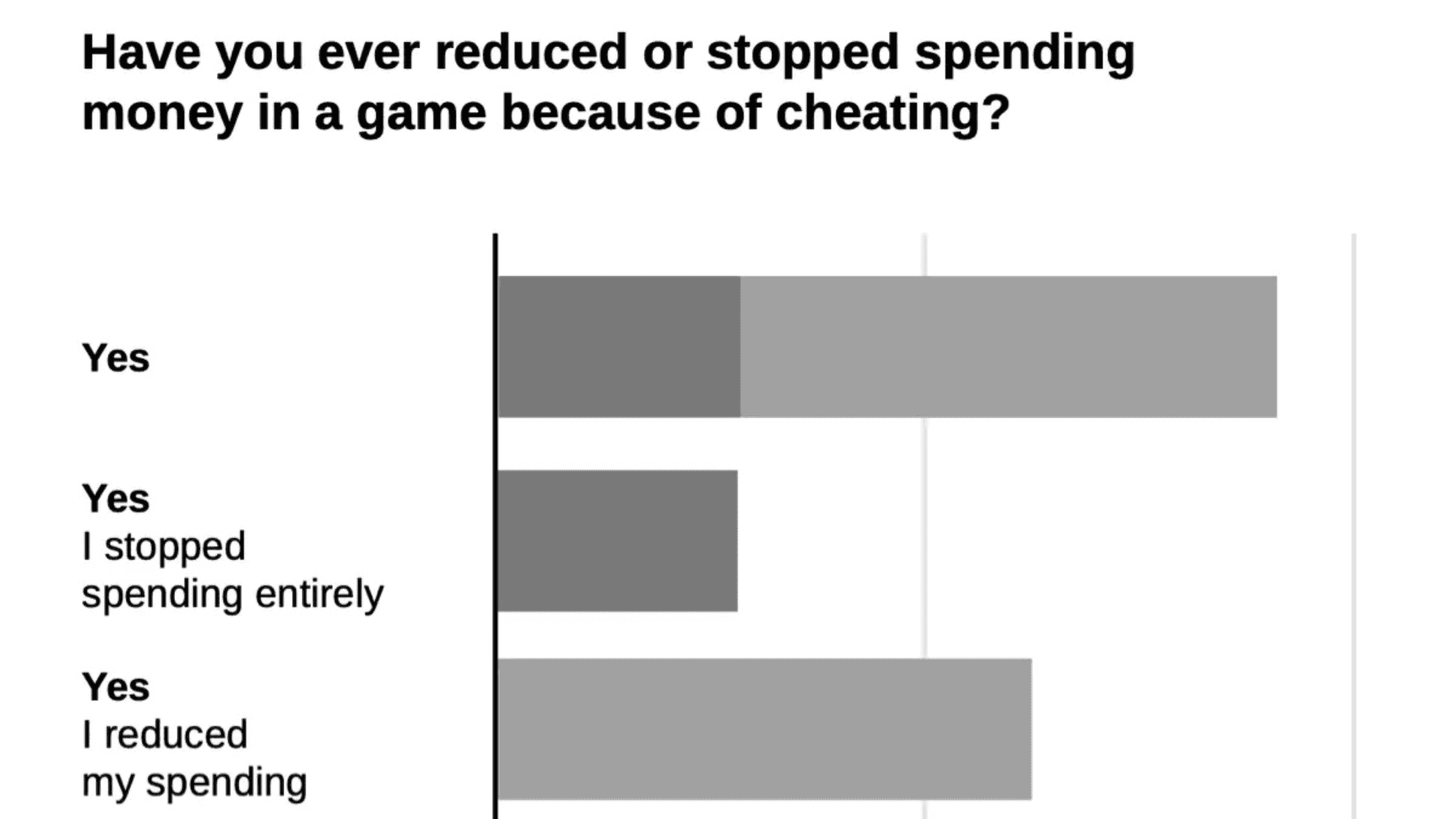
But if you’ve spent any time in competitive multiplayer games lately, you know cheating isn’t some outlier issue anymore. It’s constant. Wallhacks, soft aimbots, radar overlays, assist scripts. Some are obvious, some aren’t and the worst ones are the ones that sit just below the line of certainty.
Now imagine similar assistance baked into hardware.
The Line Between Assist and Advantage Gets Blurry Fast
The deeper I got into MSI’s description of the MEG X, the more I kept circling back to the same concern. These AI features don’t rely on game support. They don’t need developer hooks. They analyze what’s already on screen and react in real time.
That’s clever. It’s also exactly how a lot of external cheat tools work.
I’m not saying MSI is encouraging cheating. I’m not saying these monitors are hacks. But I am saying that once your display starts interpreting gameplay for you, the line between accessibility and advantage gets very thin, very fast.
In single-player or practice modes, I can see the appeal. Learning enemy patterns. Understanding visual clutter. Getting comfortable in a new game. That part makes sense.
In competitive environments, though? That’s where it starts to feel like pouring gasoline on a fire that’s already out of control.
Hardware-Level Assistance Is Hard to Police
This is where it struggles for me. Anti-cheat systems already have a hard enough time dealing with software-level exploits. When assistance shifts to the hardware layer, detection becomes even murkier.
From the game’s perspective, nothing unusual is happening. Inputs look normal. Reactions are still human-paced. But the player is getting filtered, interpreted information that others may not have.
That’s not cheating in the traditional sense, but it also doesn’t feel like a level playing field.
And competitive games live and die on trust.
The OLED Care AI Is the Part That Actually Makes Sense
To be clear, not all of MSI’s AI ideas feel misguided. The OLED Care system that detects user presence and manages panel protection automatically? That’s genuinely smart. It solves a real problem without affecting gameplay fairness. Same goes for brightness control and panel longevity features.
This is where it shines. Quiet, background intelligence that improves the experience without changing how you play.
I just wish the same restraint applied to the gaming assistance side.
Just Because We Can Doesn’t Mean We Should
It didn’t fully land for me and that’s not because the tech isn’t impressive. It’s because the timing feels off. Competitive games are already struggling with integrity, transparency and player trust. Adding AI interpretation at the display level risks making that situation worse, not better.
I’m not against AI in gaming hardware. I’m against it creeping into spaces where fairness matters more than convenience.
If AI gaming monitors stay firmly in the realm of single-player support, accessibility options and panel care, I think there’s real value here. If they drift further into competitive play, I’m not convinced the industry is ready for the consequences and honestly, neither are the players.
Final Take
If you’re a single-player fan, a tinkerer or someone who wants their expensive OLED panel to last as long as possible, MSI’s AI direction makes a lot of sense. If you live in ranked queues and competitive ladders, it raises more questions than answers.
As someone who values feel, intent and fair play over flashy features, I’m watching this space carefully. Because once AI assistance becomes normalized at the hardware level, there’s no easy way to walk it back and that’s a slippery slope worth thinking about before we all sprint down it.
Frequently Asked Questions
What is an AI gaming monitor?
An AI gaming monitor uses onboard processing to analyze on-screen visuals in real time. This can include panel care features, image adjustments or optional gameplay-related assistance.
Do AI gaming monitors give players an advantage?
In some cases, they can. While many features are intended for accessibility or learning, real-time visual analysis may provide information faster or more clearly than standard gameplay allows.
Are AI gaming monitors considered cheating?
They are not officially classified as cheats. However, when assistance operates at the hardware level, it can blur the line between accessibility tools and competitive advantage.
Can anti-cheat systems detect monitor-based AI assistance?
Generally, no. Since the assistance happens outside the game software, it is difficult for anti-cheat systems to identify or regulate.
Are AI features useful for single-player games?
Yes. AI-assisted features can help players learn mechanics, reduce visual clutter and improve accessibility without affecting fairness in non-competitive environments.
Should competitive players use AI gaming monitors?
That depends on tournament rules and personal comfort. Some players may avoid them to ensure a level playing field, while others may see them as part of evolving hardware standards.
Is MSI the first company to make AI gaming monitors?
No. MSI is not the only manufacturer adding AI features to monitors, but it is among the first to introduce real-time AI gaming assistance at the hardware level. Other brands focus mainly on AI-based image optimization rather than gameplay-related analysis.
Is this related to web3 or blockchain technology?
No. AI gaming monitors operate locally on hardware and are not connected to web3 or blockchain systems.