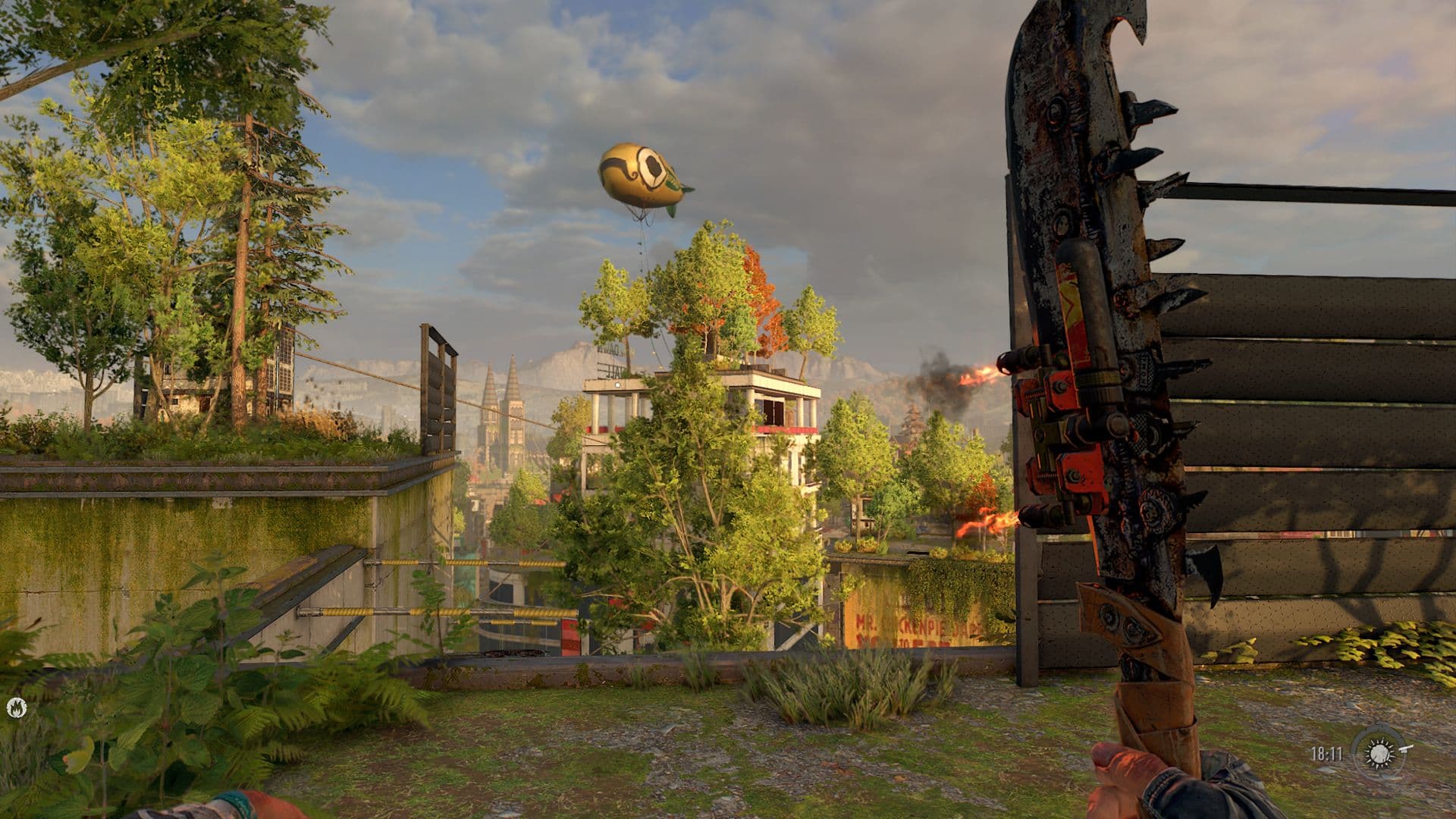

Weapon durability can make or break your survival in Dying Light: The Beast. Nothing's worse than facing a horde with a broken machete that deals zero damage. Fortunately, maintaining your arsenal isn't rocket science once you understand the repair mechanics, scrap economy, and smart weapon management strategies that'll keep you swinging effectively through Castor Woods.
Understanding Weapon Durability Mechanics
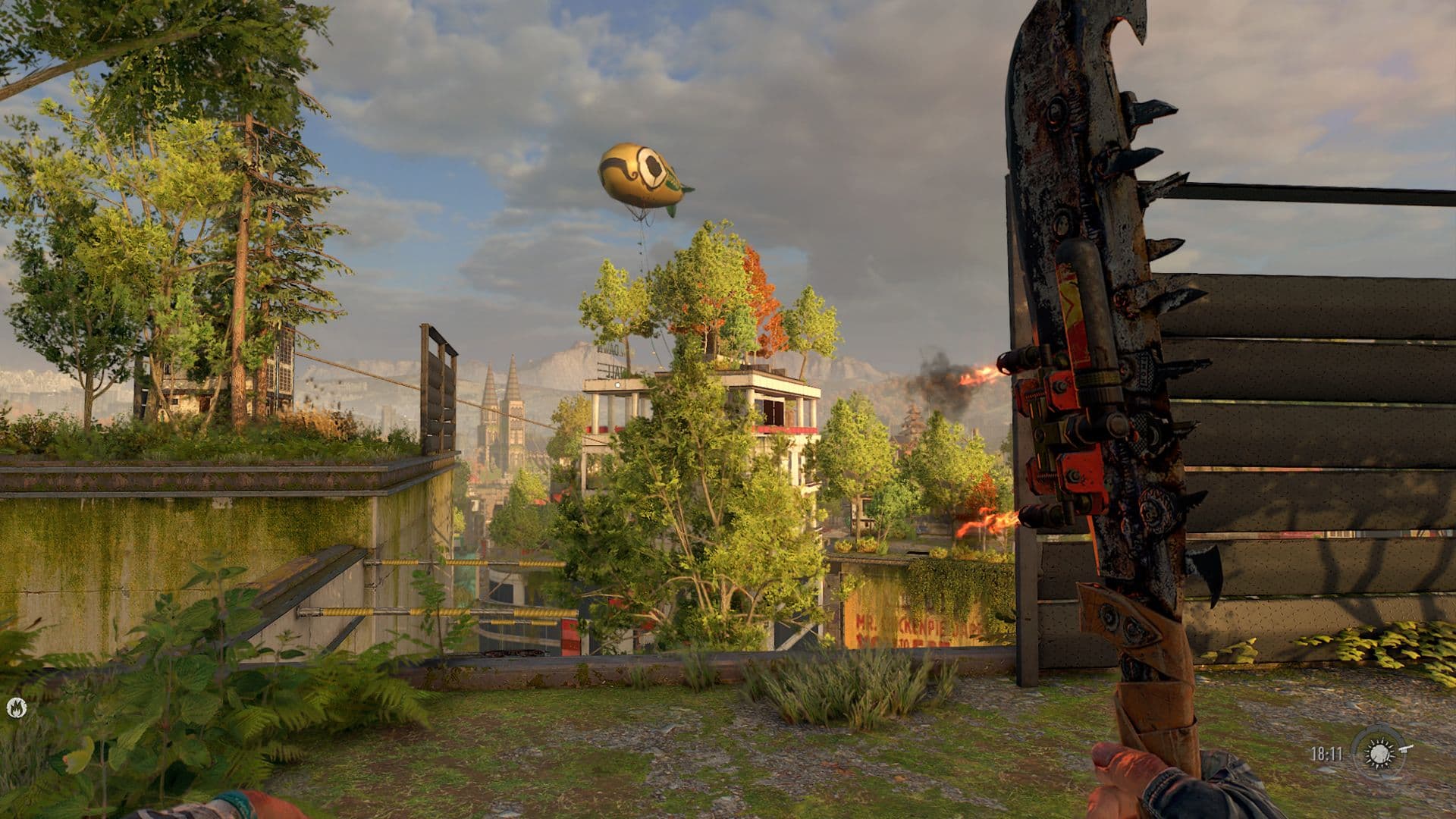
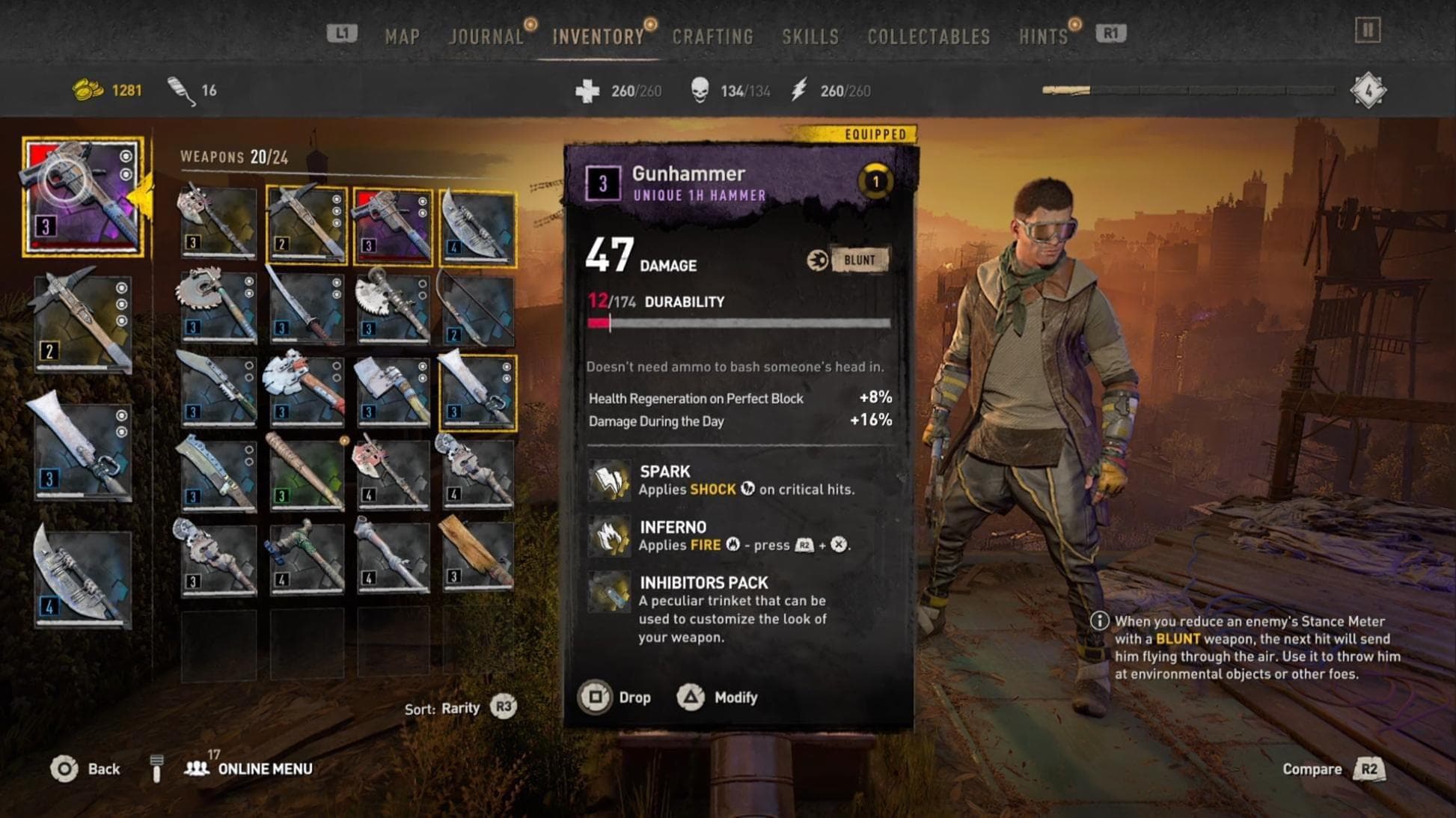
Every melee weapon in Dying Light: The Beast features a durability meter that decreases with each strike you land. This meter directly correlates to your damage output - the lower it drops, the less effective your weapon becomes in combat situations.
Dying Light: The Beast Guide: How to Repair Weapons
Here's what you need to know about weapon longevity:
important
Only melee weapons require maintenance. Your guns, bows, and crossbows stay functional without any repair work.
Repair Limitations You Should Know
Each weapon comes with a finite number of repair opportunities. Once you've exhausted these repairs, the weapon becomes permanently unusable, forcing you to find a replacement. This limitation applies regardless of weapon quality or modifications you've applied.
How to Repair Your Weapons
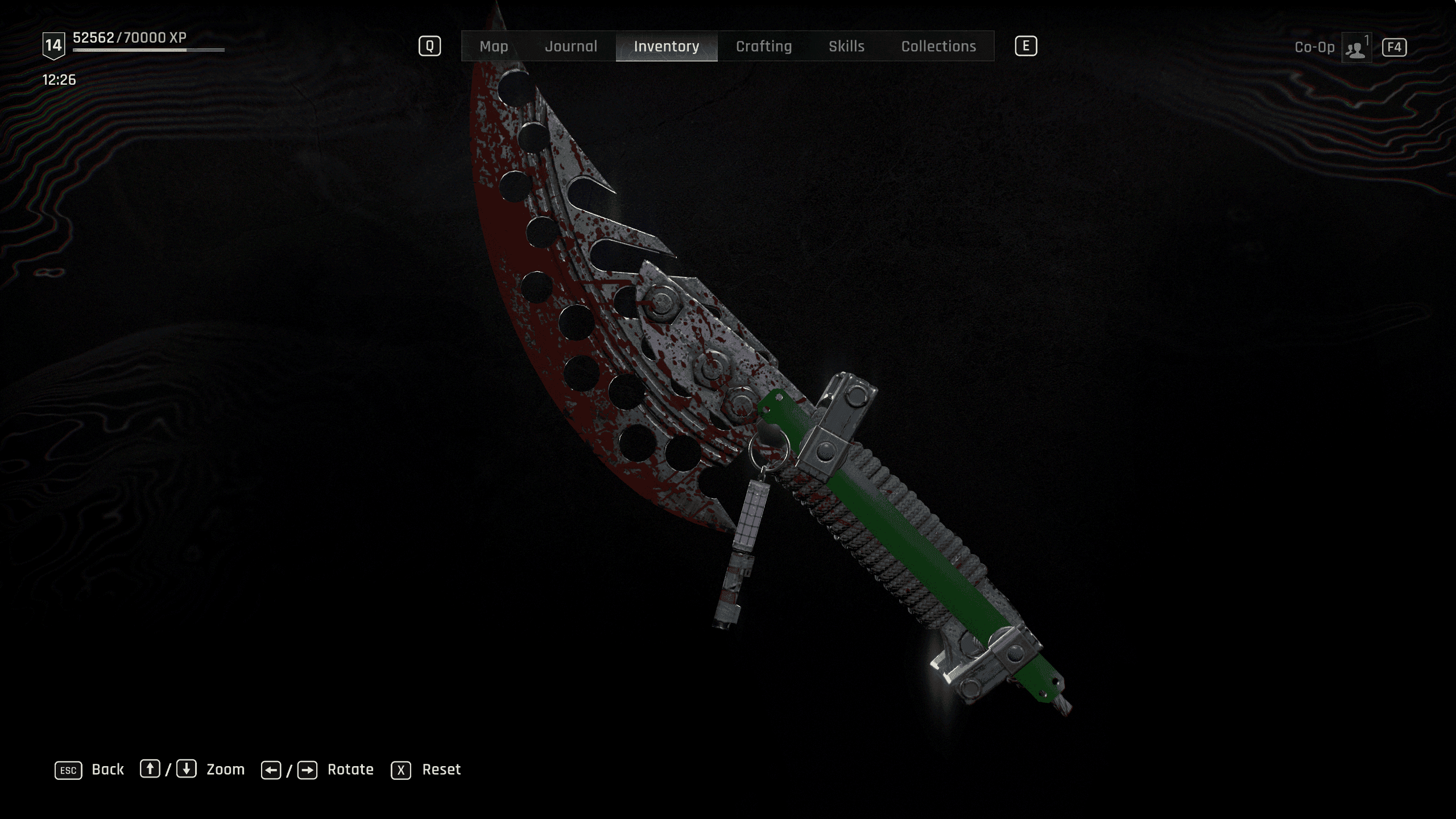
The repair process itself is straightforward once you know the controls. Access your weapon wheel and locate the damaged weapon you want to fix.
- Xbox: Hold X while hovering over the weapon
- PlayStation: Hold ▢ while selecting the weapon
Dying Light: The Beast Guide: How to Repair Weapons
Scrap Requirements
Repairs consume scraps as the primary resource. Higher-tier weapons demand significantly more scraps per repair, making resource management crucial for maintaining powerful equipment.
tip
Always check scrap costs before committing to repairs. Sometimes it's more economical to find a new weapon instead.
Efficient Scrap Farming Strategies
Scraps represent the most abundant loot type in Castor Woods, but knowing where to look maximizes your collection efficiency.
Environmental Sources:
- Trash cans scattered throughout settlements
- Tool boxes in abandoned buildings
- Random spawn points across Castor Woods
- Supply caches in hard-to-reach areas
Combat Sources:
- Defeated enemy corpses
- Bandit camp clearances
- Zombie elimination rewards
Dying Light: The Beast Guide: How to Repair Weapons
Weapon Dismantling for Scraps
Your inventory menu offers a dismantling option that converts unwanted weapons into valuable scraps. This mechanic provides excellent resource generation, especially when you're carrying multiple low-tier weapons.
Repair Management Tips
Cost-Benefit Analysis
Before repairing expensive weapons, consider these factors:
- Remaining repair opportunities
- Current scrap reserves
- Availability of replacement weapons
- Upcoming combat challenges
Emergency Backup Plans
Always maintain at least one fully repaired weapon in reserve. This backup ensures you're never completely defenseless when your primary weapon breaks during intense combat.
Dying Light: The Beast Guide: How to Repair Weapons
Resource Conservation
Focus repair efforts on high-tier weapons with multiple remaining repair opportunities. Lower-tier equipment often isn't worth the scrap investment, especially when better alternatives are readily available.
Mastering weapon repair in Dying Light: The Beast requires balancing resource management with combat readiness. By understanding durability mechanics, farming scraps efficiently, and making smart enhancement choices, you'll maintain a deadly arsenal capable of handling whatever Castor Woods throws your way. Remember, in this post-apocalyptic world, a well-maintained weapon often means the difference between survival and becoming zombie food.
For more Dying Light: The Beast, explore every Weapon Type and Secret Location.