Overview
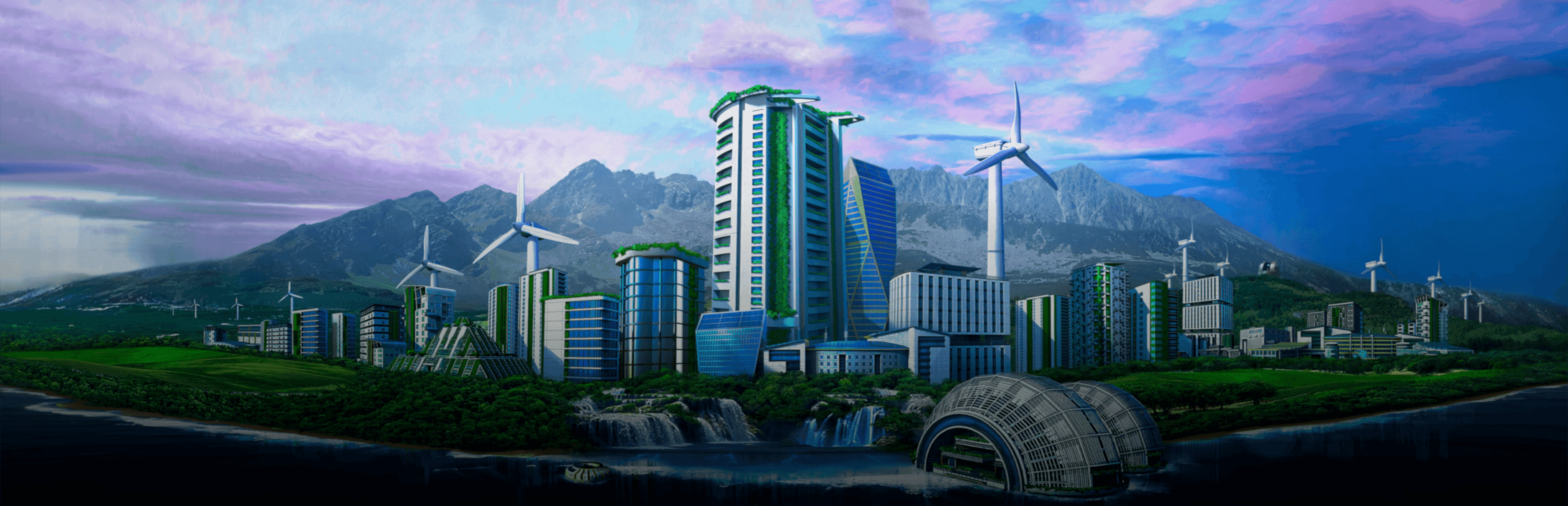
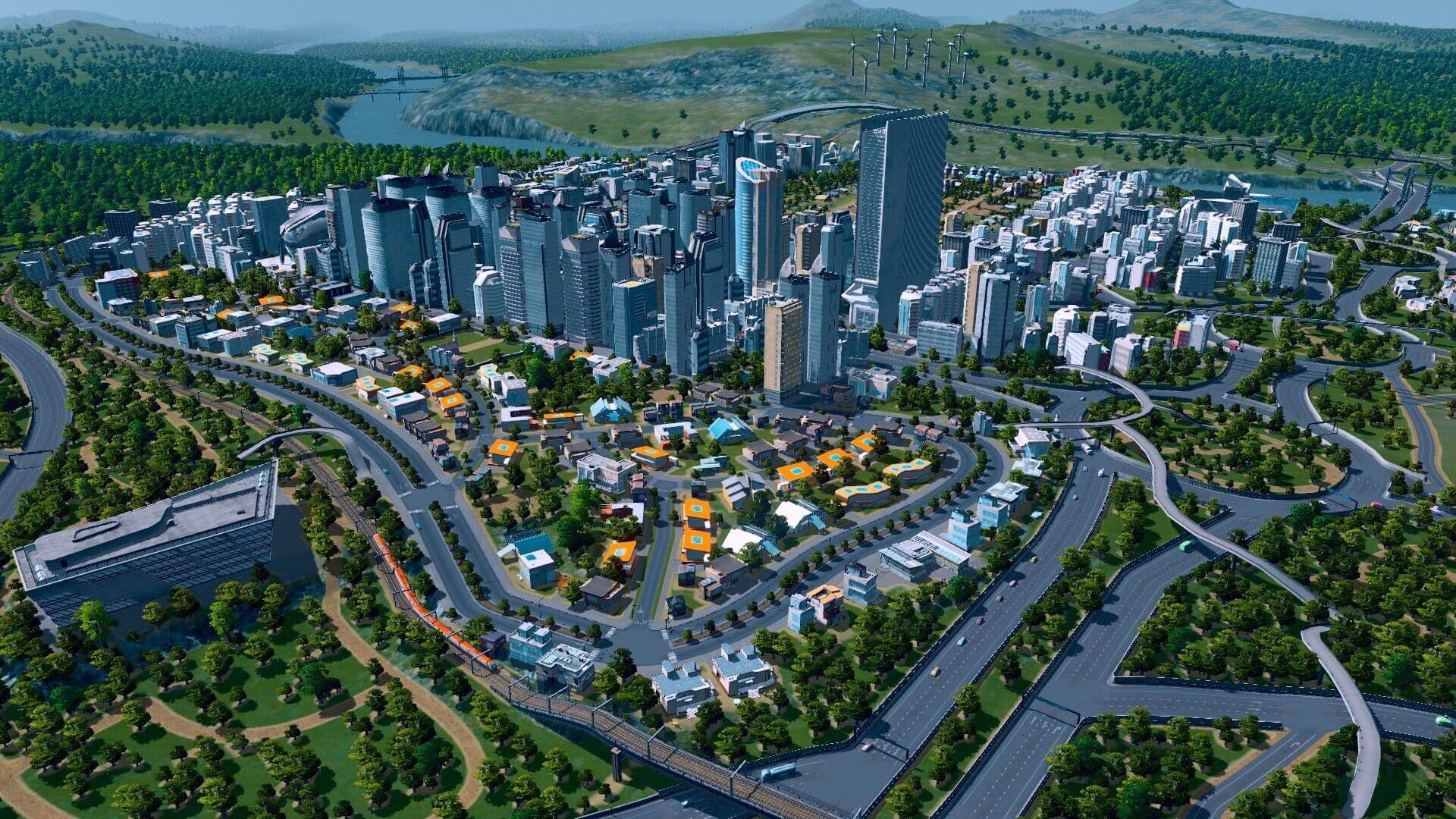
Cities: Skylines represents a significant evolution in city-building simulation, offering players comprehensive control over every aspect of urban development. Developed by Colossal Order and published by Paradox Interactive, the game delivers authentic metropolitan management challenges while maintaining accessibility for newcomers to the genre. The simulation engine processes countless variables simultaneously, creating living cities where every decision cascades through interconnected systems of commerce, transportation, and citizen welfare.
The game's foundation rests on realistic municipal mechanics that mirror actual urban planning challenges. Traffic flow, zoning regulations, public services, and economic balance all demand careful attention as your settlement expands from modest beginnings into sprawling metropolitan areas. The simulation responds dynamically to your choices, rewarding thoughtful planning while exposing inefficiencies through visible consequences like traffic congestion or industrial pollution affecting residential happiness.
What distinguishes this city builder from its predecessors is the emphasis on transportation infrastructure. Drawing from Colossal Order's Cities in Motion series, the game implements sophisticated transit modeling where buses, trains, metros, and pedestrian pathways must work in harmony to keep citizens mobile and productive.
How Does the Transportation System Actually Work?
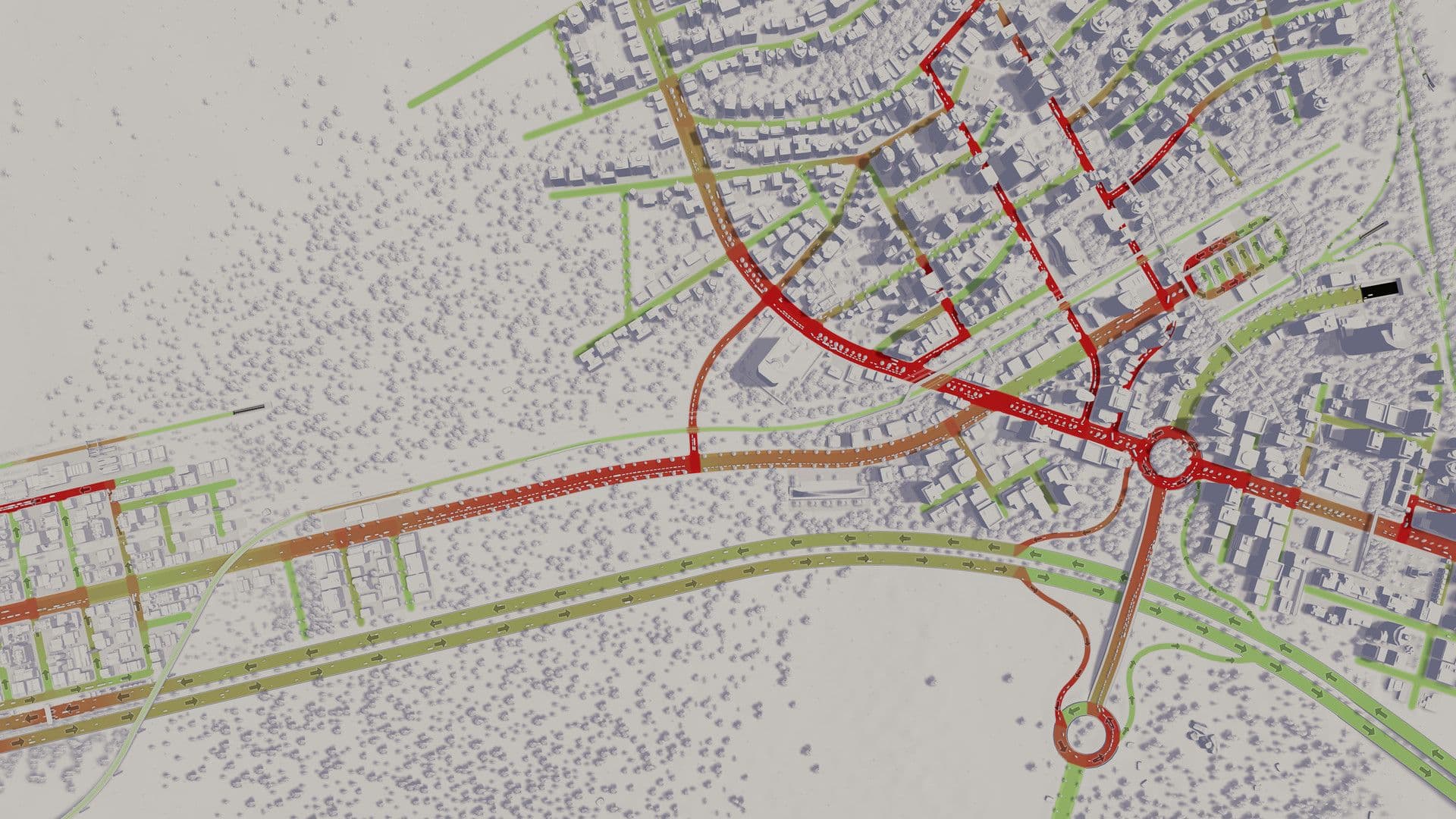
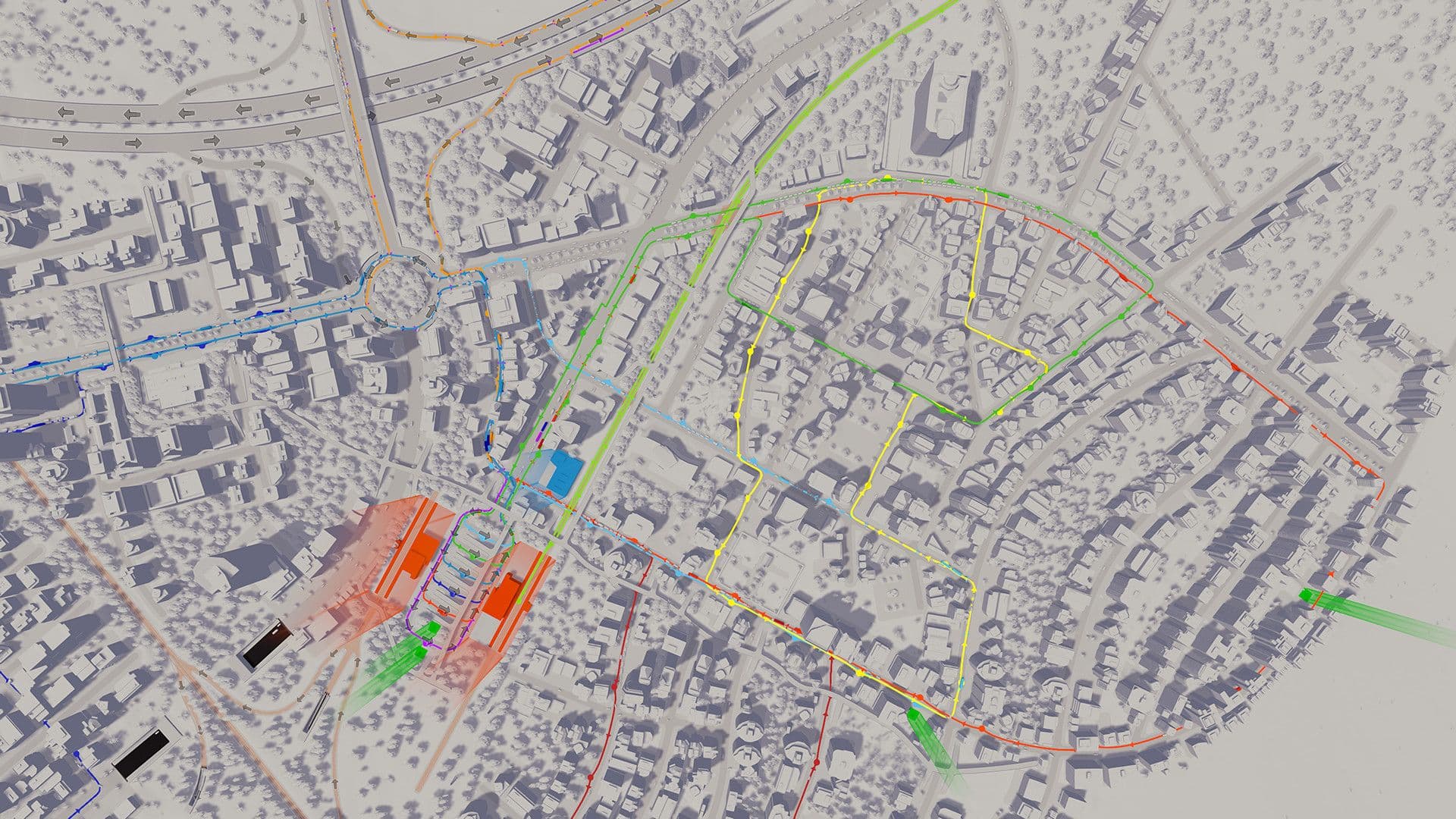
The transportation mechanics operate as the circulatory system of your metropolis. Citizens make intelligent pathfinding decisions based on available routes, travel times, and their daily needs. Rush hour transforms into a genuine challenge as residential zones empty toward commercial and industrial districts each morning. Players must anticipate these patterns and construct multi-modal transit solutions.
Cities: Skylines
Public transportation options include:
- Bus networks with customizable routes
- Metro systems for high-capacity underground transit
- Train connections for inter-district movement
- Pedestrian pathways and bike lanes
- Harbor and airport infrastructure
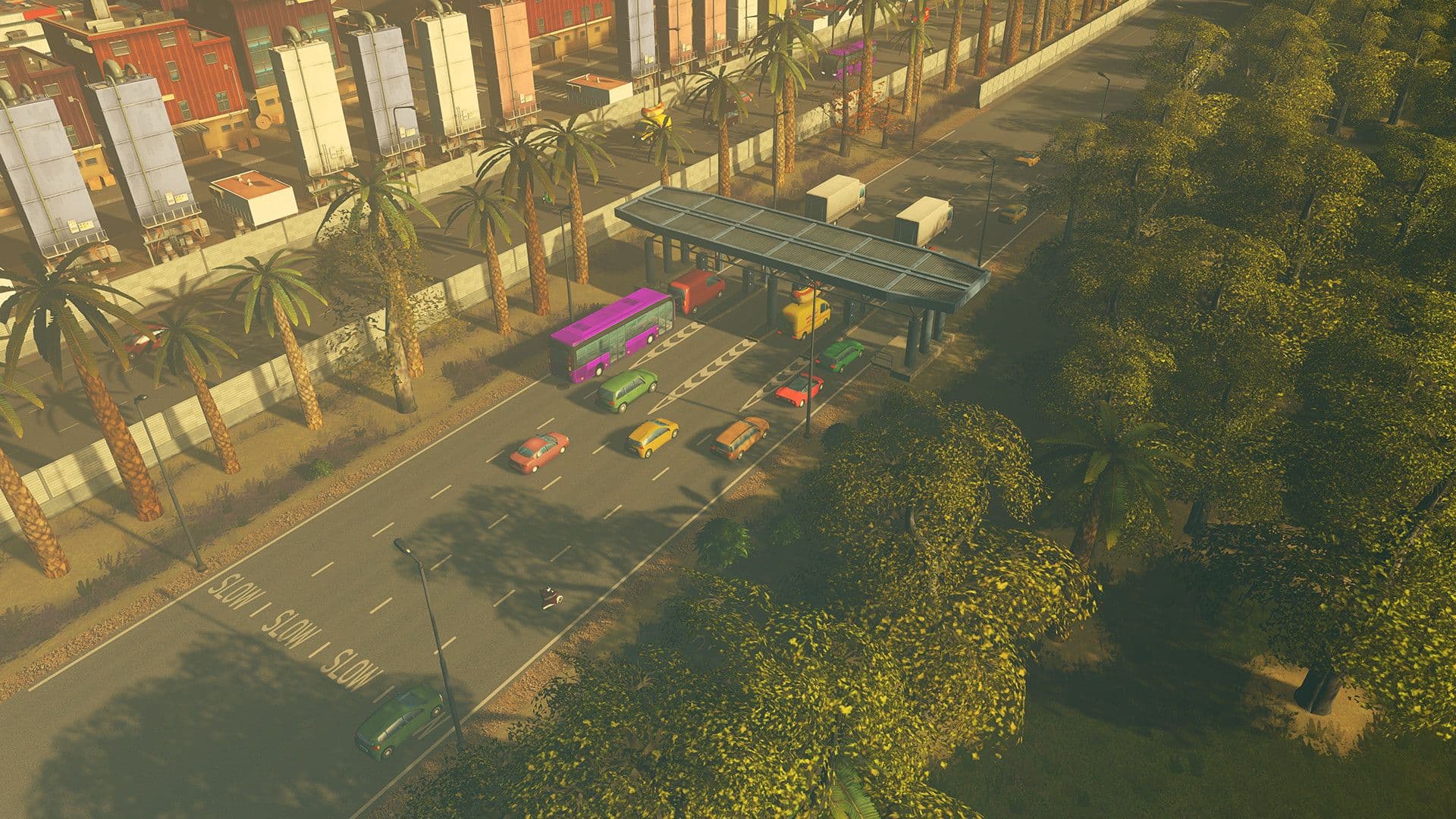
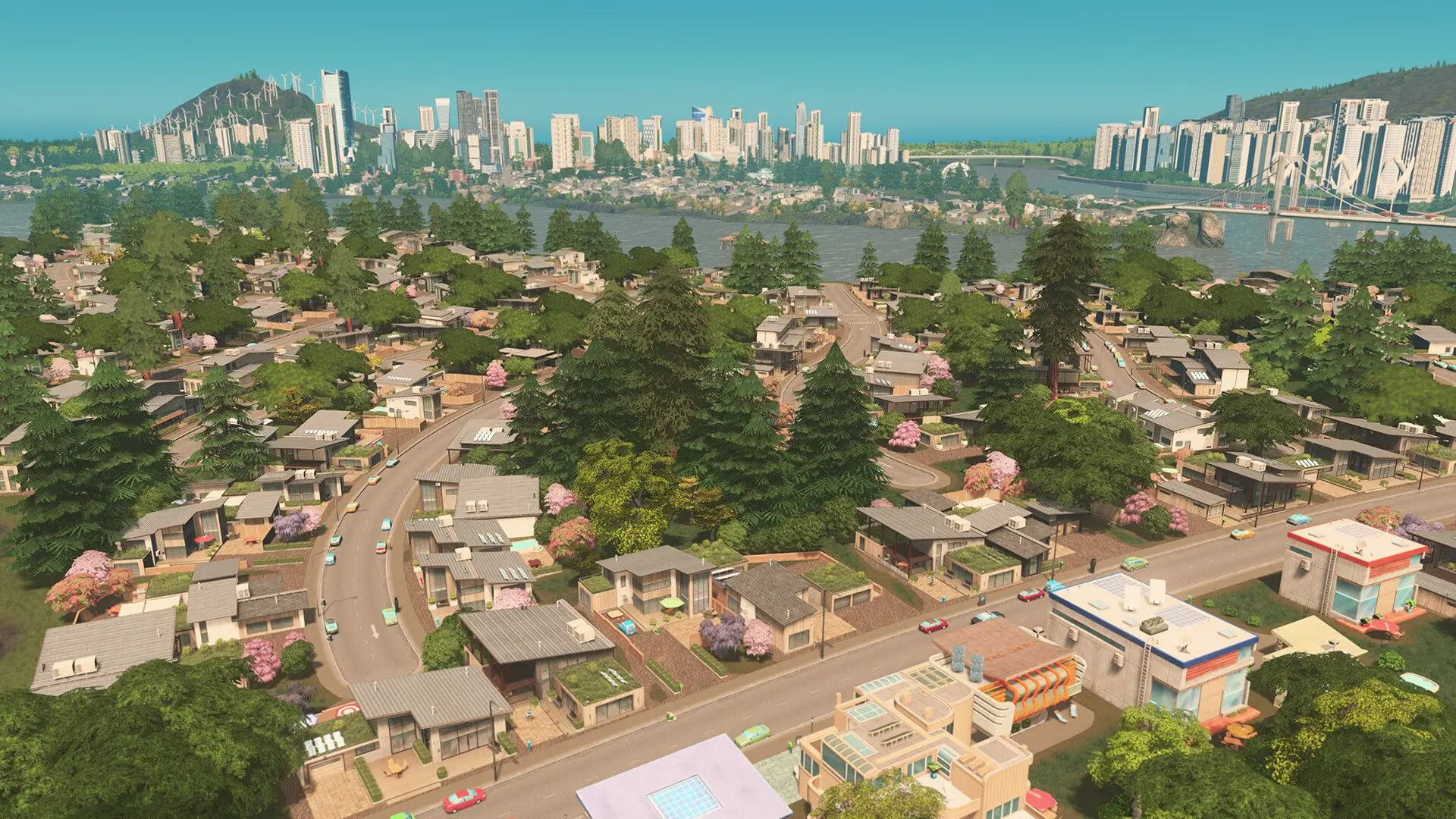
Road hierarchy matters significantly. Highways efficiently move long-distance traffic but create noise pollution. Residential streets encourage local commerce but bottleneck when misused as thoroughfares. One-way systems, roundabouts, and intersection design all influence how smoothly your city functions. The simulation doesn't forgive poor planning—gridlock spreads like a disease if left unchecked.
Modding Support and Creative Freedom
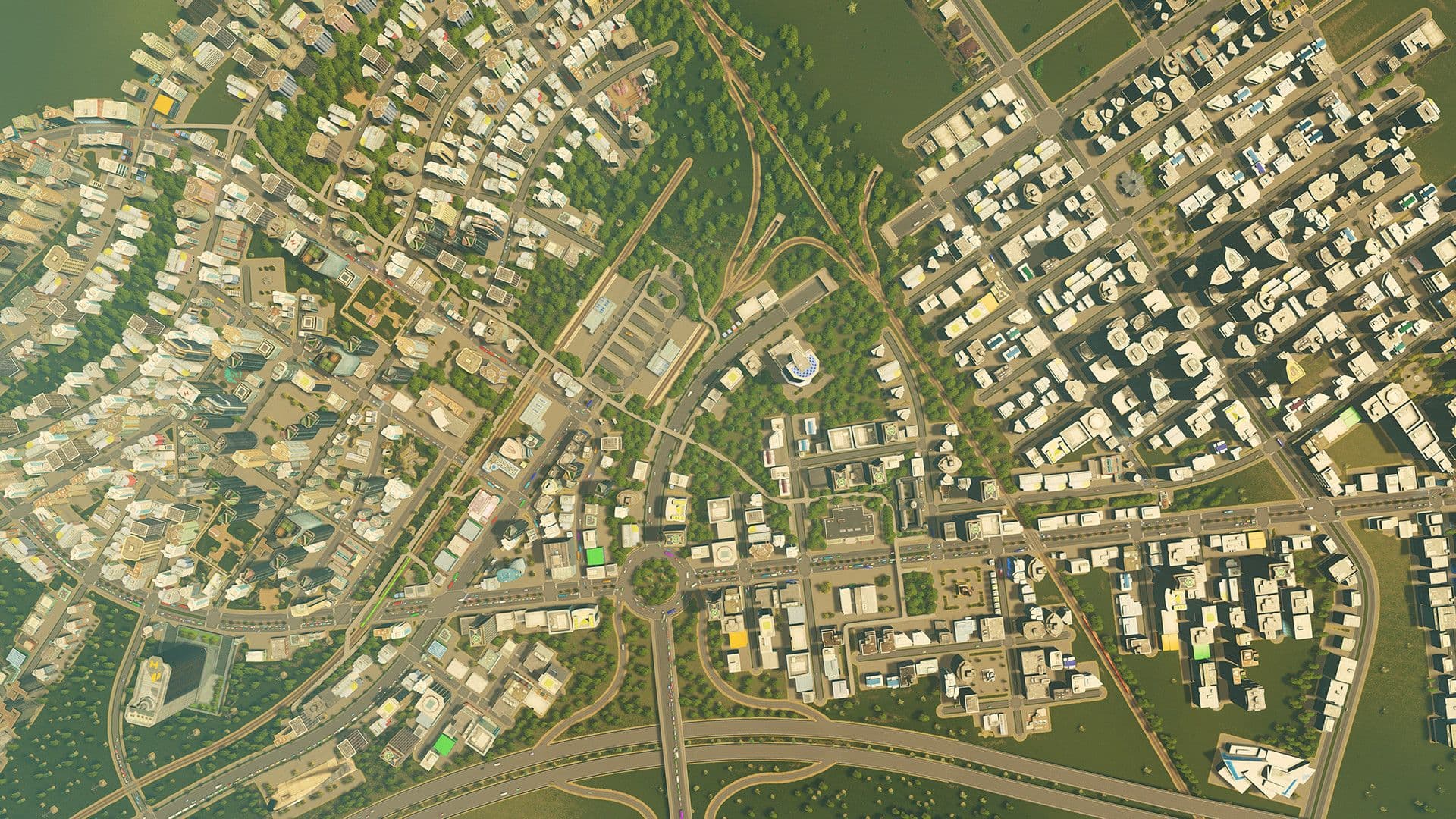
The game embraces community creativity through comprehensive modding capabilities. The Steam Workshop integration provides access to thousands of custom assets, from realistic building replicas to gameplay-altering modifications. Players can import custom structures, modify game rules, or completely transform the visual aesthetic of their cities.
Cities: Skylines
This openness extends the game's longevity substantially. Want European-style architecture instead of North American designs? Community-created asset packs deliver. Prefer more challenging economic constraints? Gameplay mods adjust difficulty parameters. The modding ecosystem transforms Cities: Skylines into a platform rather than simply a product, with creators continuously expanding possibilities.
Map customization tools enable players to sculpt terrain before laying the first road. Rivers can be redirected, mountains leveled, or coastlines reshaped. This terraforming capability combines with the game's painting tools to create distinctive urban environments ranging from coastal resort towns to industrial river valleys.
Municipal Management and Progression
Urban development unfolds through milestone-based progression. Each population threshold unlocks new buildings, services, and zoning options. Early settlements focus on basic needs—power, water, waste management—while established cities tackle complex challenges like education systems, healthcare networks, and entertainment districts.
Cities: Skylines
The economic simulation tracks money flow through taxation, service costs, and industrial output. Budget management becomes increasingly nuanced as cities mature. Should you invest in expensive metro infrastructure now or expand industrial zones to boost tax revenue? These strategic decisions define your city's trajectory and test your planning acumen.
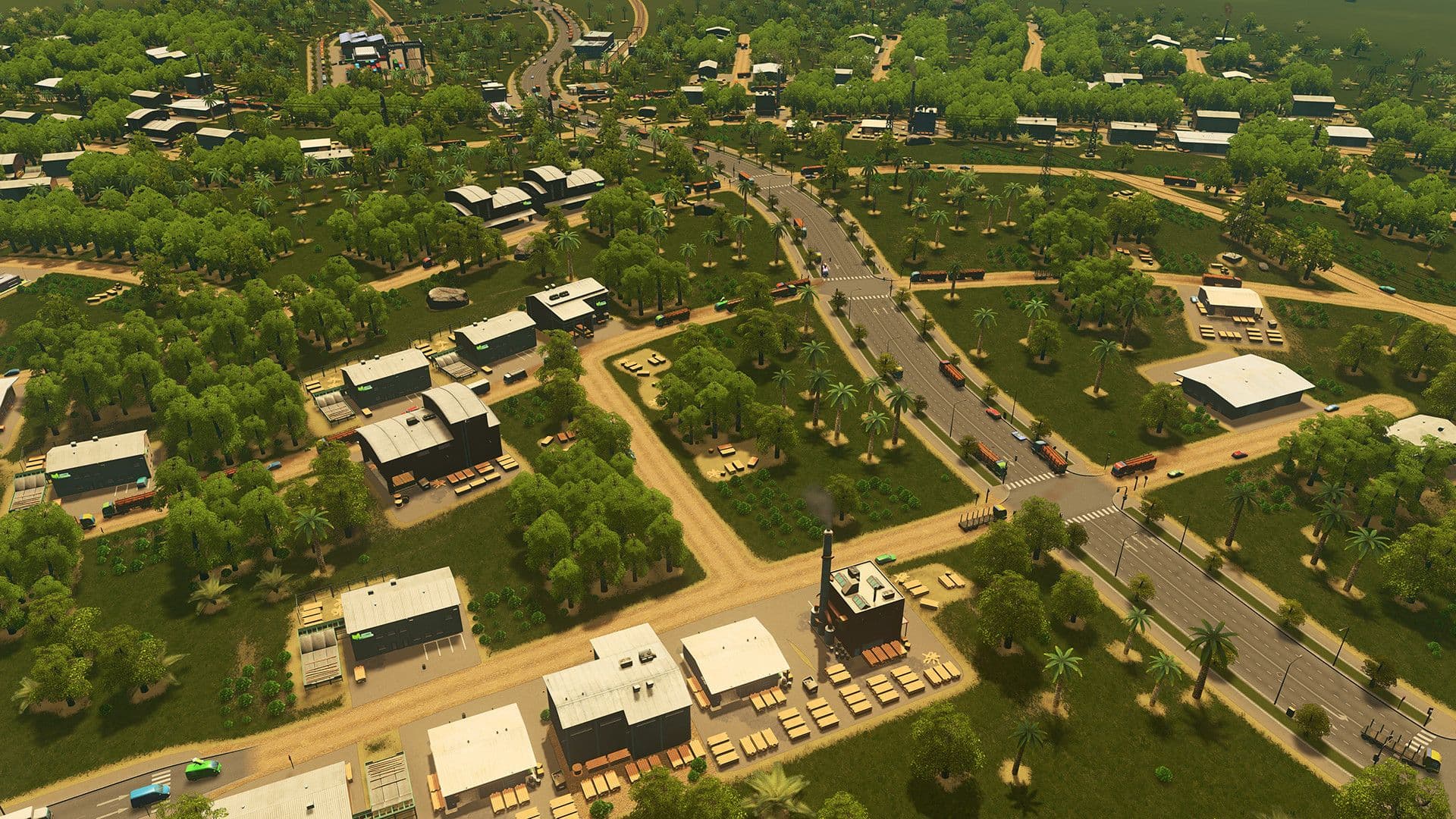
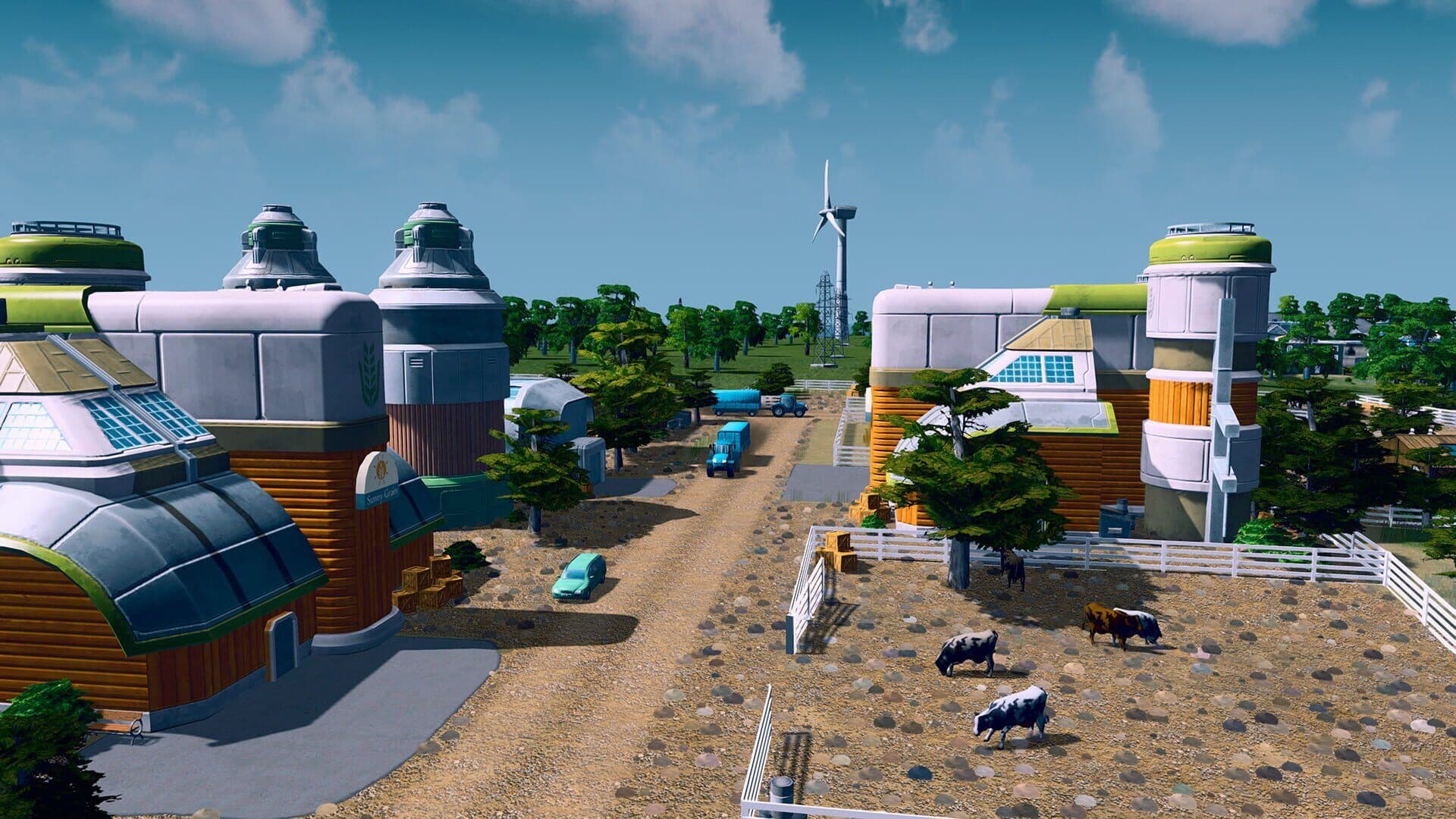
Districts allow granular policy control. Different neighborhoods can enforce unique regulations—one area might ban heavy traffic while another encourages industry. Specialized industry zones transform generic factories into themed production chains for forestry, farming, ore processing, or oil extraction, adding economic depth to resource management.
Visual Design and Platform Accessibility
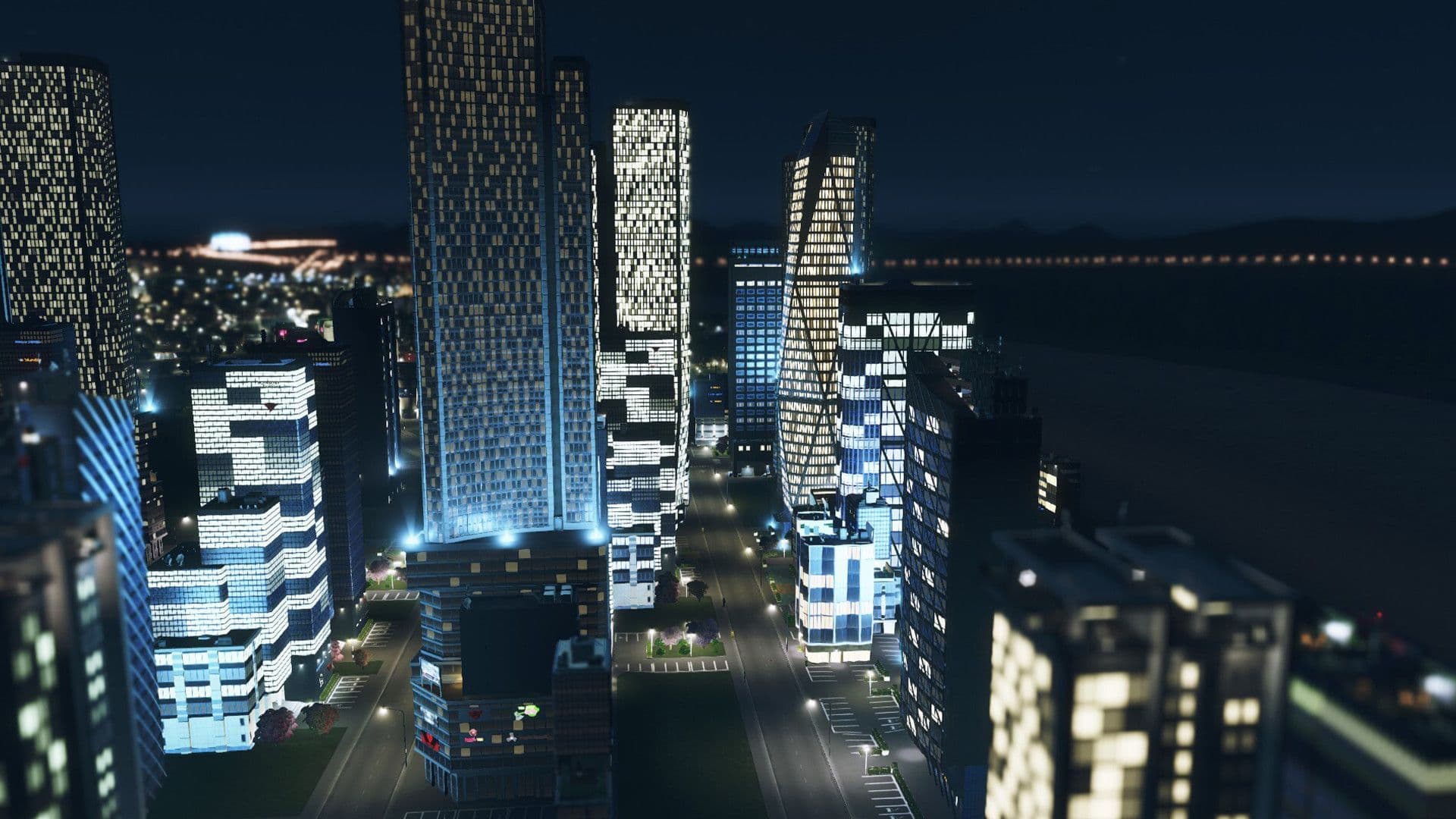
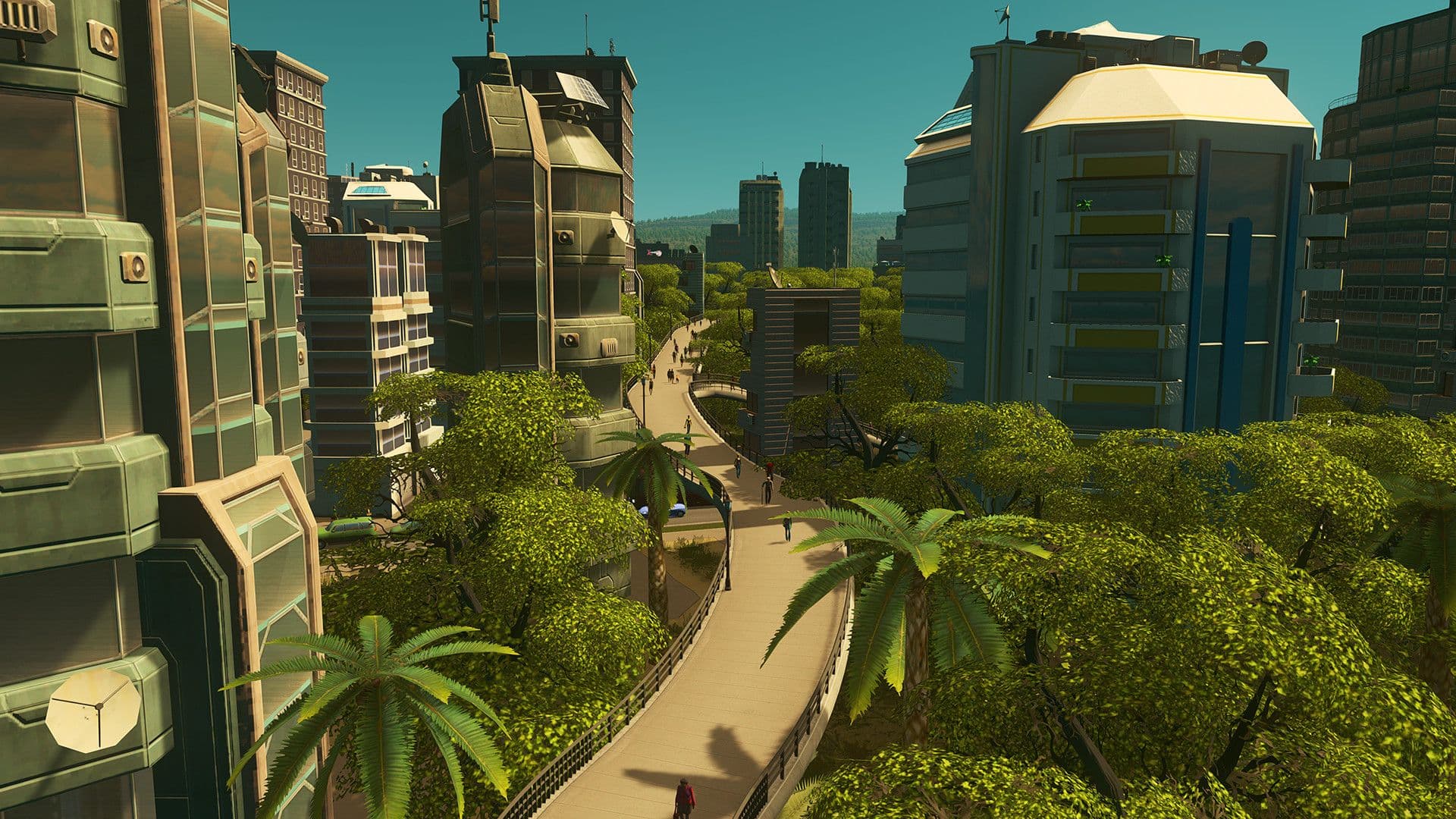
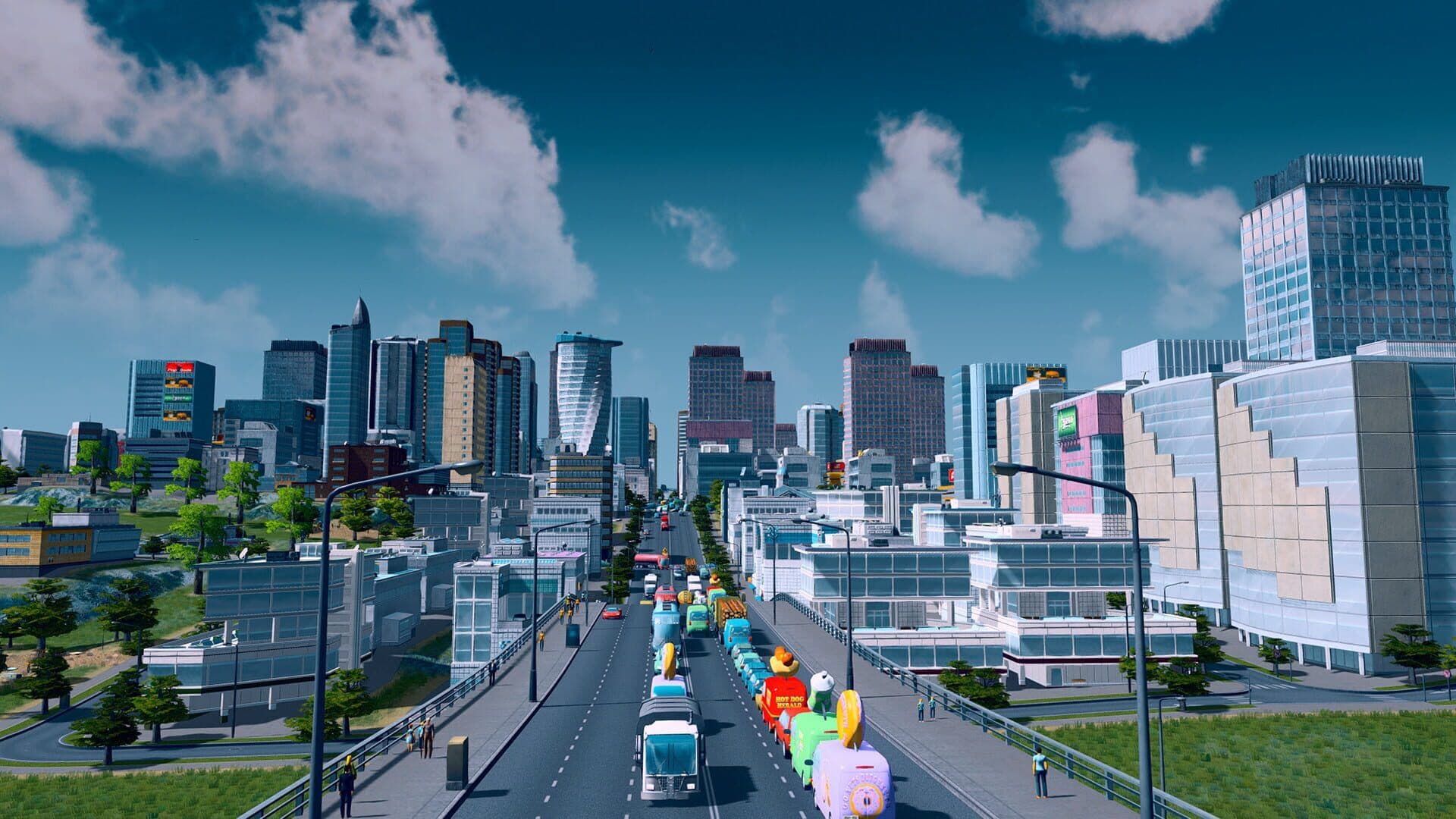
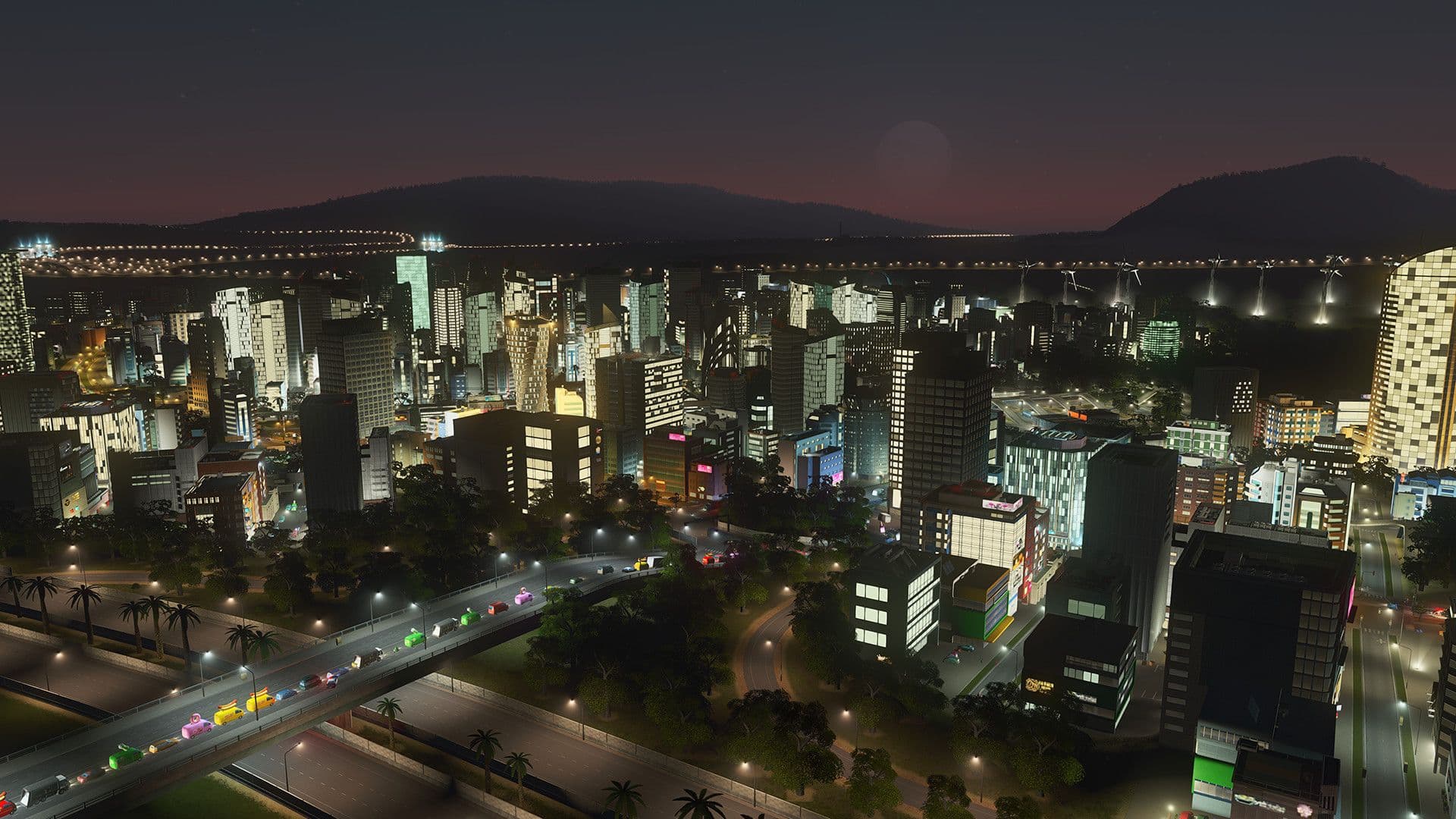
The visual presentation balances clarity with aesthetic appeal. Buildings feature distinct architectural styles that communicate function at a glance. The day-night cycle and weather effects add atmospheric variety without compromising readability. Zoom capabilities let you appreciate individual citizens navigating sidewalks or pull back to survey your entire metropolitan region.
Cities: Skylines
Cross-platform availability brings the city-building experience to Windows, macOS, Xbox, PlayStation, Steam, and Epic Games. Console versions adapt the interface for controller input while maintaining the core simulation depth. This accessibility ensures that urban planning enthusiasts can engage with the game regardless of their preferred gaming platform.
System Requirements
Conclusion
Cities: Skylines establishes itself as a premier city-building simulation through its combination of accessible design, simulation depth, and community-driven expansion. The transportation focus inherited from Colossal Order's previous work provides mechanical substance, while modding support ensures perpetual creative possibilities. Whether you approach it as a strategic puzzle about optimizing traffic flow or a creative canvas for architectural expression, the game accommodates multiple playstyles within its comprehensive urban simulation framework.